

Ecosystem services are the essential benefits that nature provides to both humans and the environment. These services stem from the interactions and processes within ecosystems – such as forests, rivers, oceans, and grasslands – that support life on Earth. They are essential for maintaining biodiversity, promoting environmental sustainability, and improving human well-being.
The idea of ecosystem services became widely recognised in the late 20th century, when scientists and environmentalists began to understand how nature supports life and economies. By assigning value to these services, people realised their importance in protecting ecosystems and ensuring long-term sustainability.
What Are Ecosystem Services?
Ecosystem services are often grouped into four categories –
- Provisioning Services – These include tangible goods such as food, water, timber, and medicinal resources. For example, a rainforest like the Amazon provides fruits, nuts, and plant-based medicines.
- Regulating Services – These include processes like pollination by bees, water purification by wetlands, and carbon storage in forests, which help stabilise the planet.
- Cultural Services – These relate to the inspiration, education, and recreational opportunities provided by nature, such as visiting national parks or studying wildlife like Ursus arctos (brown bear).
- Supporting Services – These are the foundation of all other services and include soil formation, nutrient cycling, and photosynthesis, which support all life on Earth.
Why Are Ecosystem Services Important?
Without ecosystem services, life as we know it would not exist. For example –
- Bees and other pollinators (like butterflies) are critical for growing crops that produce our fruits and vegetables.
- Wetlands act like natural sponges, filtering pollutants and controlling floods.
- Forests absorb carbon dioxide and release oxygen, helping regulate the Earth’s climate.

Categories of Ecosystem Services

Ecosystem services can be divided into four main categories – provisioning, regulating, cultural, and supporting services. Each category highlights different ways ecosystems support life, provide resources, and contribute to human well-being and economies. Let’s explore these categories with examples.
Provisioning Services – Nature’s Resources
Provisioning services are the materials and products ecosystems provide for human use. These include –
- Food supply – Fruits, vegetables, grains, fish (Salmo salar or Atlantic salmon), and livestock all come from ecosystems.
- Freshwater – Rivers, lakes, and underground aquifers provide clean water for drinking and irrigation.
- Materials – Forests supply wood for building and paper, while plants like cotton (Gossypium) are used to make clothing.
- Medicinal resources – Many modern medicines, such as aspirin derived from willow trees (Salix alba), are based on natural compounds.
Regulating Services – Nature’s Helpers
Regulating services keep ecosystems healthy and stable, benefiting both the environment and humans. Key examples include –
- Pollination – Bees, butterflies, and even bats help pollinate crops, enabling the growth of fruits and vegetables.
- Climate regulation – Forests, like the Amazon, absorb carbon dioxide and reduce greenhouse gases, helping to stabilise the climate.
- Water purification – Wetlands filter pollutants from water, ensuring rivers and lakes remain clean.
- Flood control – Mangroves and coastal wetlands protect shorelines by absorbing the impact of waves and reducing flooding.
Cultural Services – Inspiring People and Cultures
Cultural services provide non-material benefits that enhance our quality of life. These include –
- Recreation and tourism – Activities like hiking, birdwatching, or snorkelling in coral reefs (Acropora cervicornis) offer enjoyment and attract visitors.
- Spiritual value – Many cultures view certain landscapes or species as sacred, like the baobab tree (Adansonia) in Africa.
- Education and research – Ecosystems serve as outdoor classrooms for students and researchers studying wildlife and ecology.
Supporting Services – Nature’s Foundations
Supporting services are the behind-the-scenes processes that enable all other ecosystem services to function. Examples include –
- Nutrient cycling – Decomposers like earthworms and fungi break down organic matter, returning nutrients to the soil.
- Soil formation – Healthy soil, built over time by natural processes, is essential for plant growth.
- Photosynthesis – Plants absorb sunlight to produce energy, releasing oxygen as a by-product. This process supports life on Earth.
How Do These Services Support Life and Economies?
Ecosystem services are essential for survival. For example, pollination contributes billions to the global food industry, while forests help regulate climate, preventing costly natural disasters. By protecting these services, we ensure that nature continues to support human life, biodiversity, and economic stability.
Provisioning Services – Nature’s Essential Resources

Provisioning services are the goods and materials that ecosystems provide, which humans rely on for survival, health, and industry. These resources include food, water, raw materials, and energy, all of which are vital to both our daily lives and global economies.
Food – Nature’s Pantry
Ecosystems supply the food we eat. Farms and fisheries rely on healthy ecosystems to produce crops and sustain livestock. Examples include –
- Agricultural crops – Wheat (Triticum aestivum), rice (Oryza sativa), and maize (Zea mays) are staple foods grown worldwide.
- Fisheries – Oceans, rivers, and lakes provide fish like tuna (Thunnus) and salmon (Salmo salar), which are key sources of protein for millions of people.
- Livestock grazing – Grasslands support cattle, sheep, and goats, supplying meat, milk, and wool.
Water – The Source of Life
Potable water, or fresh water safe for drinking, is one of the most crucial resources ecosystems provide. Rivers, lakes, and aquifers supply clean water, while wetlands naturally filter pollutants, ensuring safe water reaches communities and industries. Without these systems, access to safe drinking water would be severely limited.
Raw Materials – Building the World
Ecosystems provide natural materials that are essential for construction, clothing, and energy production. Examples include –
- Timber – Forests supply wood for building homes, making furniture, and creating paper.
- Natural fibres – Plants like cotton (Gossypium) and animals like sheep (Ovis aries) provide materials for textiles.
- Energy resources – Trees provide firewood, while crops like sugarcane (Saccharum officinarum) and maize (Zea mays) are used to produce biofuels.
Medicinal Resources – Healing from Nature
Many modern medicines originate from plants and animals found in ecosystems. Examples include –
- Willow trees (Salix alba) – The bark of willow trees contains salicin, which is used to make aspirin.
- Periwinkle flowers (Catharanthus roseus) – These flowers produce compounds used to treat cancer.
Why Are Provisioning Services Important?
Provisioning services are essential for human survival and the functioning of industries. Crops feed billions, timber supports construction, and water sustains both life and agriculture. Protecting ecosystems ensures that these vital resources remain available for future generations.
Regulating Services – Nature’s Control Systems

Regulating services are the benefits ecosystems provide by controlling and stabilising environmental processes. These services ensure clean air, safe water, a balanced climate, and protection from natural disasters, all of which are essential for the well-being of humans and the planet.
Climate Regulation – Balancing the Earth’s Temperature
Ecosystems help regulate the Earth’s climate by managing greenhouse gases and controlling temperatures. Examples include –
- Forests as carbon sinks – Trees in forests, such as oak (Quercus robur) and pine (Pinus sylvestris), absorb carbon dioxide from the atmosphere, reducing greenhouse gases and helping combat climate change.
- Oceans storing heat – Oceans regulate global temperatures by absorbing and storing solar energy, which prevents extreme climate fluctuations.
Flood Control – Nature’s Barriers
Natural landscapes protect communities from flooding by absorbing excess water. Examples include –
- Wetlands – Marshes and swamps act like sponges, soaking up rainwater and slowly releasing it, preventing floods.
- Mangrove forests (Rhizophora) – These coastal ecosystems reduce the impact of storm surges and prevent shoreline erosion by holding soil in place.
Water Purification – Cleaning Our Resources
Ecosystems naturally filter and clean water, ensuring a safe supply for humans and wildlife. Examples include –
- Rivers and wetlands – Wetlands remove pollutants from water through natural processes, leaving rivers cleaner downstream.
- Soil filtration – Healthy soils trap impurities and pathogens as water moves through the ground, purifying it for aquifers and wells.
Pest and Disease Regulation – Keeping Populations in Balance
Ecosystems also help control pests and diseases, reducing risks to agriculture and human health. Examples include –
- Natural predators – Ladybirds (Coccinella septempunctata) and birds eat agricultural pests, reducing the need for chemical pesticides.
- Disease control – Healthy ecosystems limit the spread of diseases by supporting diverse wildlife, which helps break the transmission of pathogens.
Erosion Prevention and Waste Decomposition – Protecting the Land
Ecosystems maintain healthy soil and manage waste. Examples include –
- Plant roots – Vegetation, such as grass and trees, stabilises soil, preventing erosion caused by wind and water.
- Decomposers – Fungi and bacteria break down organic waste, recycling nutrients back into the soil and supporting new growth.
Why Are Regulating Services Important?
Regulating services act as nature’s life-support system, protecting communities from floods, ensuring clean water, and keeping climates stable. By preserving ecosystems like forests, wetlands, and mangroves, we not only protect nature but also safeguard ourselves against environmental risks.
Cultural Services – Connecting People and Nature

Cultural services are the non-material benefits that ecosystems provide, enriching our lives in ways beyond physical resources. These services inspire creativity, foster spiritual connections, support education, and provide spaces for leisure and relaxation.
Recreation and Tourism – Fun in Nature
Natural landscapes offer opportunities for outdoor activities and attract visitors from around the world. Examples include –
- Hiking – Forest trails and mountain paths provide places for people to exercise, enjoy fresh air, and connect with nature.
- Ecotourism – Coral reefs like the Great Barrier Reef (Acropora spp.) and national parks such as the Lake District in England attract millions of tourists, contributing to local economies.
Spiritual and Cultural Significance – Sacred Connections
Many ecosystems hold spiritual or cultural importance, providing places for reflection and worship. Examples include –
- Sacred sites – Certain landscapes, like the Himalayas or the baobab tree (Adansonia), are deeply meaningful to indigenous cultures and religions.
- Cultural traditions – Communities often have rituals and stories tied to local ecosystems, preserving their history and identity.
Education and Knowledge – Learning from Nature
Ecosystems act as natural classrooms, helping us learn about the world and inspiring discoveries. Examples include –
- Field studies – Students and researchers study wildlife, such as the red fox (Vulpes vulpes), to understand ecosystems and species behaviour.
- Indigenous knowledge – Many indigenous communities have developed sustainable practices based on deep understanding of their local environment.
Aesthetic Value – Beauty That Inspires
The beauty of nature inspires art, photography, and storytelling. Examples include –
- Landscape appreciation – People are drawn to the striking views of cliffs, beaches, and sunsets. The Northern Lights and cherry blossoms (Prunus serrulata) are examples of natural spectacles admired globally.
- Inspiring creativity – Ecosystems like flower-filled meadows and tranquil forests have inspired countless works of art, from poetry to paintings.
Why Are Cultural Services Important?
Cultural services enrich our mental and emotional well-being by connecting us to nature. They also encourage environmental awareness and provide opportunities for relaxation, education, and inspiration. Preserving these ecosystems ensures that future generations can continue to enjoy these intangible yet invaluable benefits.
Supporting Services – Nature’s Foundations

Supporting services are the essential processes that form the backbone of all other ecosystem services. These services maintain life systems by ensuring ecosystems remain healthy, functional, and sustainable. Without them, provisioning, regulating, and cultural services could not exist.
Nutrient Cycling – Nature’s Recycling System
Nutrient cycling is the process of moving essential elements like carbon, nitrogen, and phosphorus through the environment. Examples include –
- Decomposition – Organisms like fungi and earthworms break down dead plants and animals, returning nutrients to the soil.
- Aquatic nutrient cycling – Wetlands and oceans recycle nutrients, supporting fish populations and aquatic plants like seagrass (Zostera).
Soil Formation – Building the Ground Beneath Us
Healthy soil is essential for plants, agriculture, and water storage. Examples include –
- Soil microbes – Tiny organisms in soil break down organic material, creating fertile ground for crops.
- Erosion prevention – Plant roots stabilise soil, preventing it from being washed away by rain or wind.
Primary Production – Energy for Life
Primary production is the process by which plants, algae, and some bacteria convert sunlight into energy through photosynthesis. Examples include –
- Oxygen production – Forests and marine algae produce oxygen, supporting life on Earth.
- Habitat provision – Coral reefs (Acropora spp.) and grasslands create environments where diverse species can thrive.
Pollinator Support – Enabling Plant Growth
Pollinators like bees, butterflies, and birds help plants reproduce by transferring pollen. This service is vital for agriculture and ecosystems. Examples include –
- Crops – Pollinators support the growth of fruits, vegetables, and nuts like almonds (Prunus dulcis).
- Wild plants – Native species rely on pollinators to maintain biodiversity and healthy ecosystems.
Why Are Supporting Services Important?
Supporting services underpin every other type of ecosystem service, ensuring ecosystems function sustainably over time. For example, nutrient cycling enriches the soil needed to grow crops, while photosynthesis provides the energy that sustains life on Earth. By protecting these processes, we preserve the stability and balance of ecosystems for future generations.
The Importance of Ecosystem Services in Modern Society
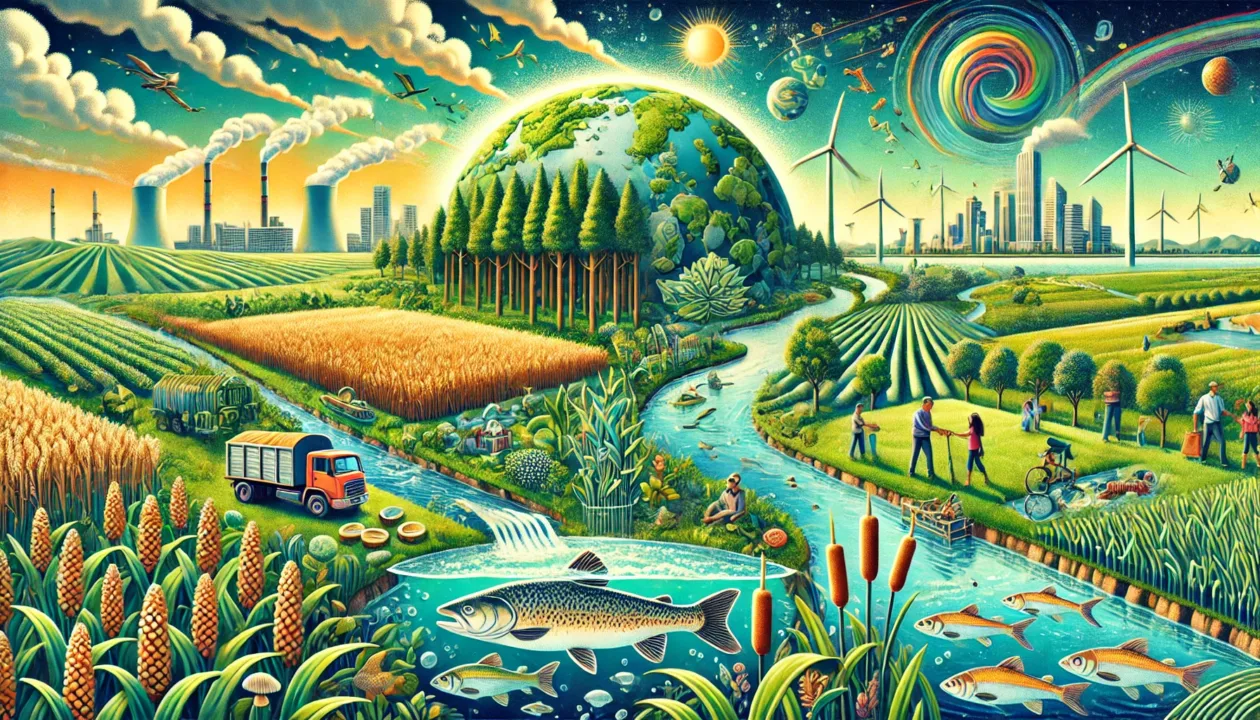
Healthy ecosystems are essential for modern society, providing benefits that support economies, improve human health, and ensure long-term sustainability. By recognising the value of ecosystem services, we can take steps to conserve nature and manage resources responsibly for future generations.
Economic Benefits of Ecosystem Services
Ecosystems contribute billions to global economies by providing natural resources and essential services. Examples include –
- Agriculture and fisheries – Crops like rice (Oryza sativa) and fish like cod (Gadus morhua) supply food and create jobs.
- Tourism and recreation – National parks, such as Yellowstone in the United States, attract millions of visitors, boosting local economies.
- Raw materials – Timber and fibres like cotton (Gossypium) are key resources for industries worldwide.
Social and Health Benefits
Healthy ecosystems improve human well-being and public health. Examples include –
- Clean air and water – Forests and wetlands filter pollutants, ensuring access to clean water and breathable air.
- Disease prevention – Biodiverse ecosystems limit the spread of diseases by maintaining natural predator-prey balances.
- Mental health – Access to green spaces, like parks or forests, reduces stress and promotes emotional well-being.
The Role of Conservation and Policy
To protect ecosystem services, society must invest in conservation and sustainable management. Examples include –
- Conservation efforts – Programmes like reforestation and marine protected areas help restore damaged ecosystems.
- Environmental policies – Governments can enforce regulations to reduce pollution, prevent deforestation, and manage resources sustainably.
- Sustainable development – Practices like crop rotation and renewable energy use balance economic growth with ecosystem health.
Why Is This Important for Modern Society?
Without ecosystem services, society would face higher costs for food, water, and healthcare, and lose the natural beauty and biodiversity that enrich our lives. Conserving ecosystems ensures that communities continue to thrive both economically and socially.
FAQs on Ecosystem Services Benefits
What are ecosystem services?
Ecosystem services are the various benefits that humans derive from healthy ecosystems, including provisioning services like food and water, regulating services such as climate control and disease regulation, supporting services like nutrient cycles and oxygen production, and cultural services encompassing spiritual and recreational benefits.
How do ecosystems contribute to human well-being?
Ecosystems support human well-being by providing essential goods and services, such as clean air and water, food, raw materials, and recreational opportunities. They also regulate environmental processes, including climate and disease control, which are vital for human health.
What are provisioning services in an ecosystem?
Provisioning services are the products obtained from ecosystems, including food, water, timber, and medicinal resources. These services are essential for human survival and economic activities.
How do regulating services benefit the environment and humans?
Regulating services are the benefits obtained from the regulation of ecosystem processes, such as air quality maintenance, climate regulation, erosion control, and disease regulation. For example, forests act as carbon sinks, helping to mitigate climate change.
What are cultural services provided by ecosystems?
Cultural services are the non-material benefits that ecosystems provide to human societies and culture, including opportunities for recreation, tourism, aesthetic or artistic appreciation, and spirituality.
How do supporting services underpin other ecosystem services?
Supporting services are those that maintain fundamental ecosystem processes, such as habitat for plants and wildlife, or the maintenance of genetic and biological diversity. These services are essential for the production of all other ecosystem services.
Can you provide examples of ecosystem services in coastal areas?
Coastal ecosystems offer numerous services, including providing marine resources, nutrient cycling, carbon sequestration, and recreational opportunities. For instance, estuarine and coastal ecosystems perform provisioning, supporting, regulating, and cultural services that benefit human societies.
Why is it important to conserve biodiversity in relation to ecosystem services?
Biodiversity underlies all ecosystem services, which are the benefits that people obtain from ecosystems, indispensable to health, survival, and well-being. They include provisioning services (food, freshwater, wood and fibre, and fuel), regulating services (modulating climate, disease, food supply, and water purity), and cultural services (serving aesthetic, spiritual, and educational needs).
References and Sources