
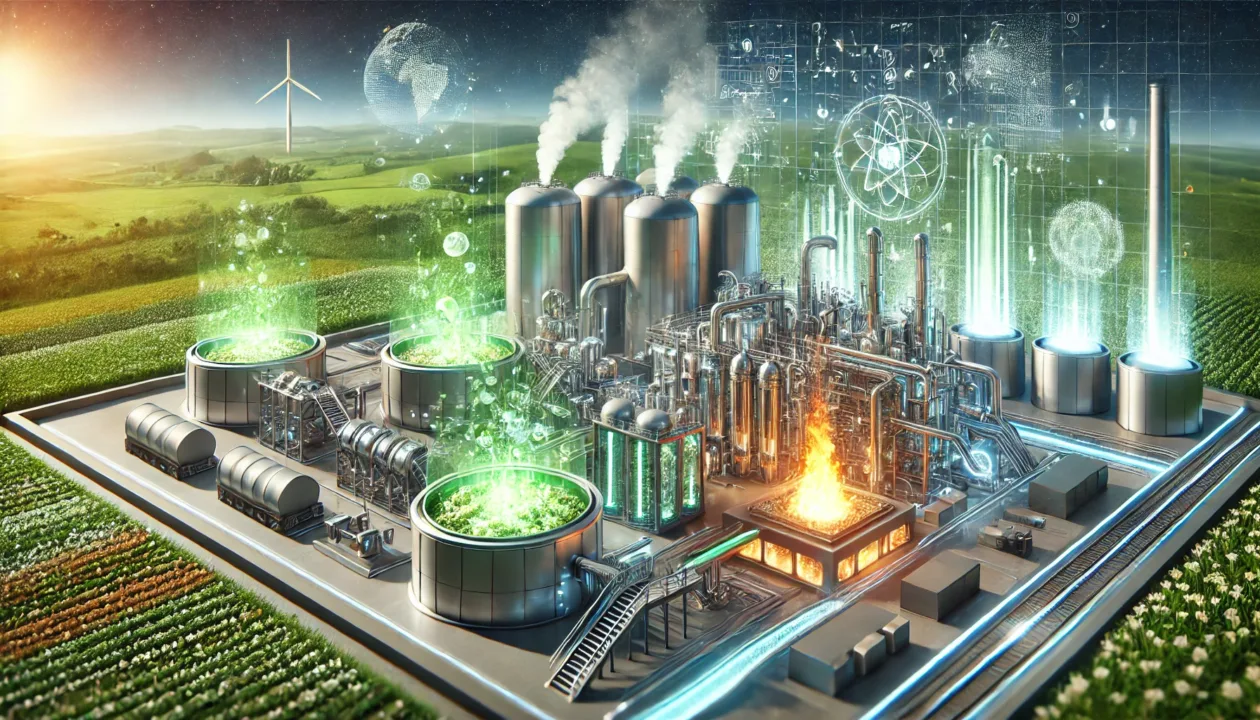
Bioenergy is a renewable energy derived from organic materials, known as biomass, such as plants, animal waste, and agricultural residues. It plays an important role in waste management by converting waste into energy, thereby reducing landfill use and supporting sustainability.
Importance in Sustainability
Bioenergy contributes to sustainable development by providing a clean energy source that lowers the carbon footprint. Utilizing waste-to-energy technology ensures the efficient recovery of energy while addressing the challenges of increasing waste production.
Role in Reducing Waste
Through processes like anaerobic digestion and combustion, bioenergy technologies convert waste into biofuels or direct energy. This reduces the environmental impact of waste disposal and promotes the circular use of resources.
Examples of Bioenergy Applications
- Energy Recovery from Landfills – Capturing methane gas to generate electricity.
- Biofuel Production – Transforming crop residues into ethanol and biodiesel.
- Industrial Use – Utilizing waste biomass in boilers for heat production.

How Bioenergy Works
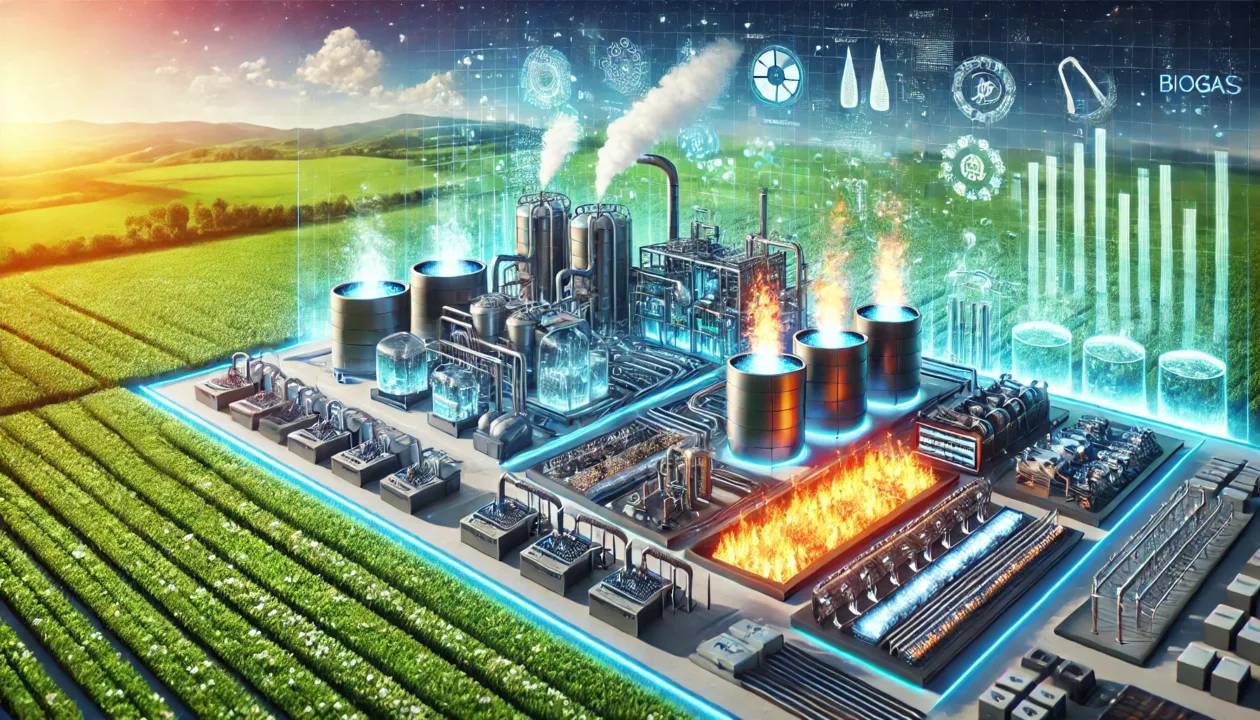
Bioenergy is produced by converting organic waste into usable energy through scientific processes like anaerobic digestion, pyrolysis, and gasification. These methods transform waste into biogas, bioheat, or synthetic gas, creating renewable energy while reducing environmental impact.
Key Processes in Bioenergy Production
- Anaerobic Digestion
Organic waste, such as food scraps or animal manure, is broken down by microorganisms in the absence of oxygen. This process generates biogas, primarily composed of methane, which can be used for electricity or heating.Example – Methane captured from landfills powers homes and industries, reducing harmful gas emissions. - Pyrolysis
This involves heating organic material at high temperatures without oxygen, converting it into bio-oil, char, and synthetic gas. These products can be used as biofuels or industrial energy sources. - Gasification
Organic feedstock like wood or agricultural residue is heated with a controlled amount of oxygen to produce synthetic gas. This clean energy source can generate electricity or fuel. - Combustion
Biomass materials are burned to produce bioheat and steam for generating power, offering an efficient way to reduce waste while producing energy.
Benefits of Bioenergy Processes
- Landfill Diversion – Organic waste is repurposed instead of being dumped, minimizing waste accumulation.
- Clean Energy Production – Reduces reliance on fossil fuels by producing renewable energy from waste.
- Carbon Neutrality – Using waste that would naturally decompose releases less carbon compared to fossil fuels.
Types of Waste Suitable for Bioenergy
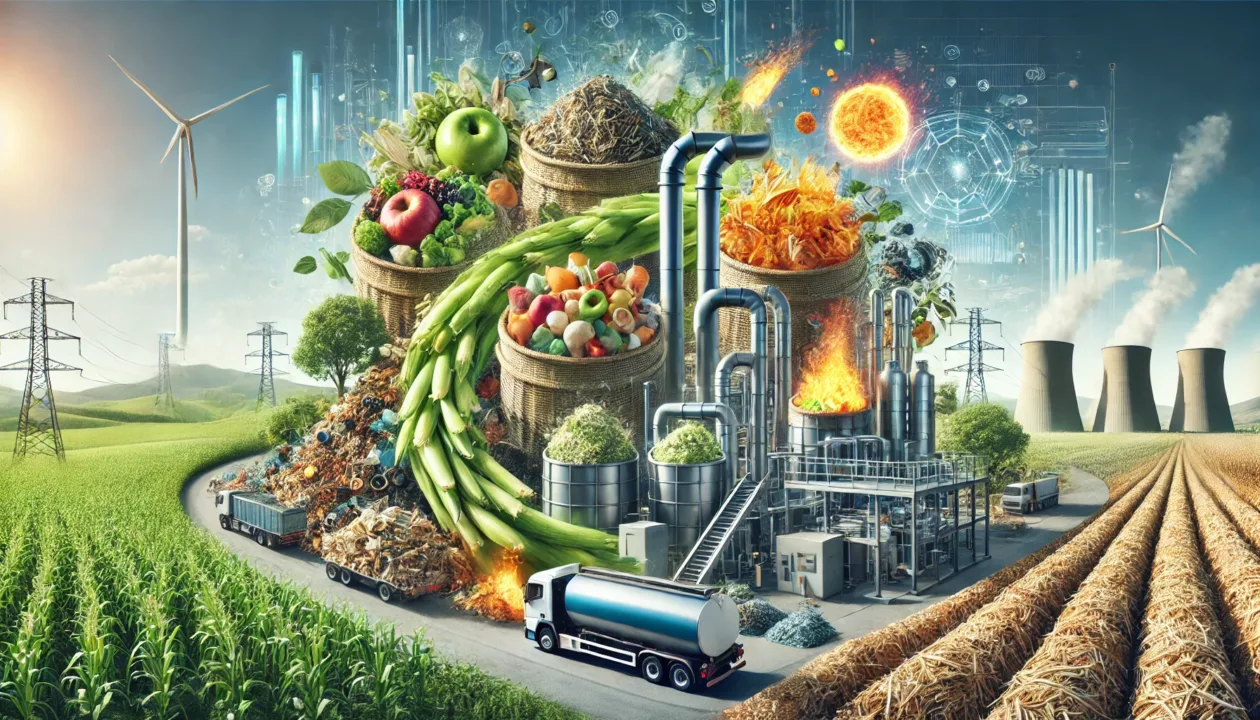
Bioenergy relies on specific types of waste as feedstock to produce renewable energy. These include organic waste, agricultural residues, industrial by-products, and municipal solid waste, all of which can be processed into energy instead of ending up in landfills.
Common Waste Streams for Bioenergy Production
- Organic Waste
Includes food scraps, garden clippings, and biodegradable materials. This waste decomposes easily and serves as an excellent source for processes like anaerobic digestion to produce biogas.Example – Food waste collected from homes and restaurants is converted into renewable energy at bioenergy facilities. - Agricultural Biomass
Leftover plant materials, such as corn stalks, rice husks, and animal manure, are rich in energy potential. These residues are ideal for pyrolysis, gasification, or combustion to generate power or heat. - Industrial By-products
Waste from food processing, paper mills, and wood industries, such as sawdust or pulp, can be repurposed for bioenergy. This reduces the environmental impact of industrial operations while generating clean energy. - Municipal Solid Waste (MSW)
Non-recyclable and biodegradable components of city waste, like paper and textiles, are processed in waste-to-energy systems. This method provides an alternative to traditional landfill disposal.
Benefits of Using Waste for Bioenergy
- Landfill Alternatives – Reduces the amount of waste sent to landfills.
- Sustainable Recycling Streams – Turns waste into a resource, promoting circular economy practices.
- Efficient Residue Management – Ensures agricultural and industrial residues are effectively utilized.
Technologies in Bioenergy Conversion
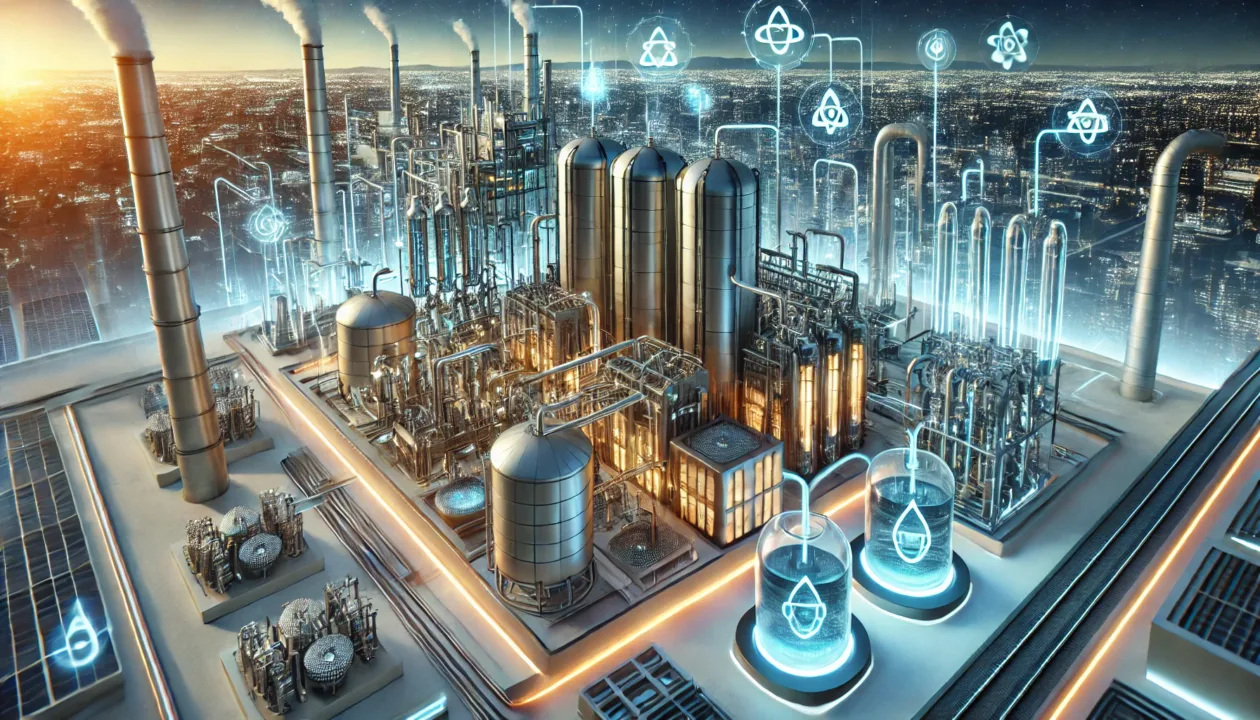
Bioenergy production relies on advanced technologies that convert waste into renewable energy. These methods include biochemical, thermochemical, and electrochemical conversion, each using innovative techniques to maximize energy recovery from waste.
Key Technologies Driving Bioenergy Production
- Biochemical Conversion
Processes like fermentation use microorganisms to break down organic materials into biofuels, such as ethanol. This method is common in bio-refineries and effectively turns agricultural residues into usable energy.Example – Corn and sugarcane are fermented to produce ethanol, which is used as a clean transportation fuel. - Thermochemical Conversion
High-temperature processes, such as pyrolysis and gasification, transform waste into synthetic gas or bio-oil. These technologies are essential for converting complex waste materials into energy-rich fuels.Example – Pyrolysis converts wood chips into bio-oil, which can replace traditional fossil fuels in energy systems. - Electrochemical Conversion
Advanced systems like electrolysis split water into hydrogen and oxygen using renewable electricity, producing hydrogen fuel. This cutting-edge approach integrates bioenergy with energy grids to enhance efficiency. - Combined Heat and Power (CHP) Systems
These systems simultaneously produce electricity and heat from bioenergy, optimizing energy output while reducing waste. CHP is commonly used in energy recovery systems for industries and communities.
Benefits of Bioenergy Technologies
- Energy Recovery – Converts waste into valuable energy sources like biogas and bio-oil.
- Thermal Decomposition – Reduces waste volume while creating clean energy.
- Integration with Renewable Tech – Supports sustainable energy grids and reduces reliance on fossil fuels.
Benefits of Bioenergy in Waste Management
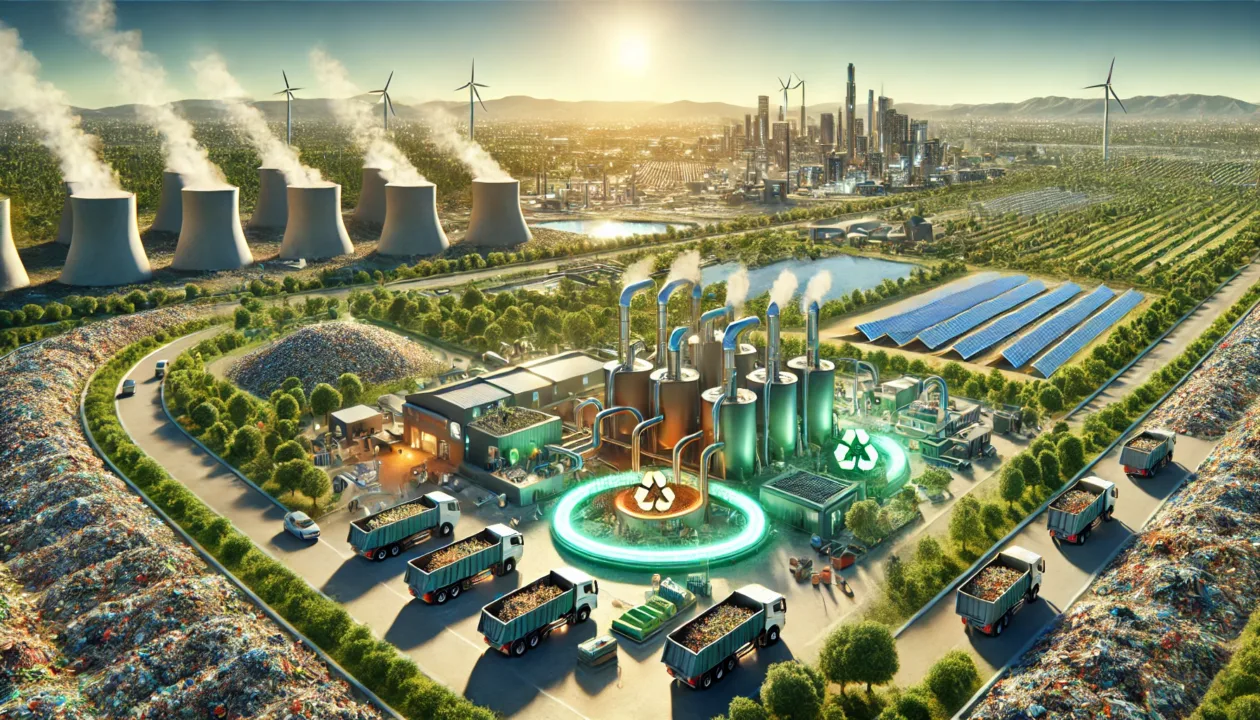
Bioenergy plays a key role in creating sustainable waste solutions by reducing landfill dependency, generating renewable energy, and supporting economic growth. These benefits contribute to a low-carbon economy and promote energy sustainability.
Key Benefits of Bioenergy
- Reduced Landfill Dependency
Bioenergy technologies divert organic and non-recyclable waste from landfills, minimizing environmental pollution and freeing up space for other needs.Example – Food waste and agricultural residues are transformed into energy instead of being discarded, reducing methane emissions from landfills. - Renewable Energy Production
Bioenergy converts waste into eco-friendly energy solutions such as biogas, bio-oil, and electricity. These renewable resources help transition away from fossil fuels.Example – Combined heat and power (CHP) systems generate both electricity and heat from organic waste, maximizing energy efficiency. - Carbon Reduction
Using bioenergy lowers greenhouse gas emissions by turning waste into fuel instead of burning fossil fuels. This process promotes a low-carbon economy and combats climate change.Example – Methane capture from landfills prevents harmful gases from escaping into the atmosphere while producing renewable energy. - Economic Opportunities
Bioenergy creates jobs in areas like waste collection, processing, and technology innovation. It also supports the development of renewable infrastructure, contributing to a sustainable economy. - Resource Optimization and Energy Circularity
Bioenergy promotes waste valorization, turning waste into valuable resources. This supports zero-waste solutions by ensuring materials are reused and recycled wherever possible.
Why Bioenergy Matters
Bioenergy enables waste management sustainability by providing cleaner energy, reducing emissions, and creating economic value. By embracing energy circularity, communities can achieve sustainable growth and protect the environment for future generations.
Challenges and Limitations of Bioenergy in Waste Management
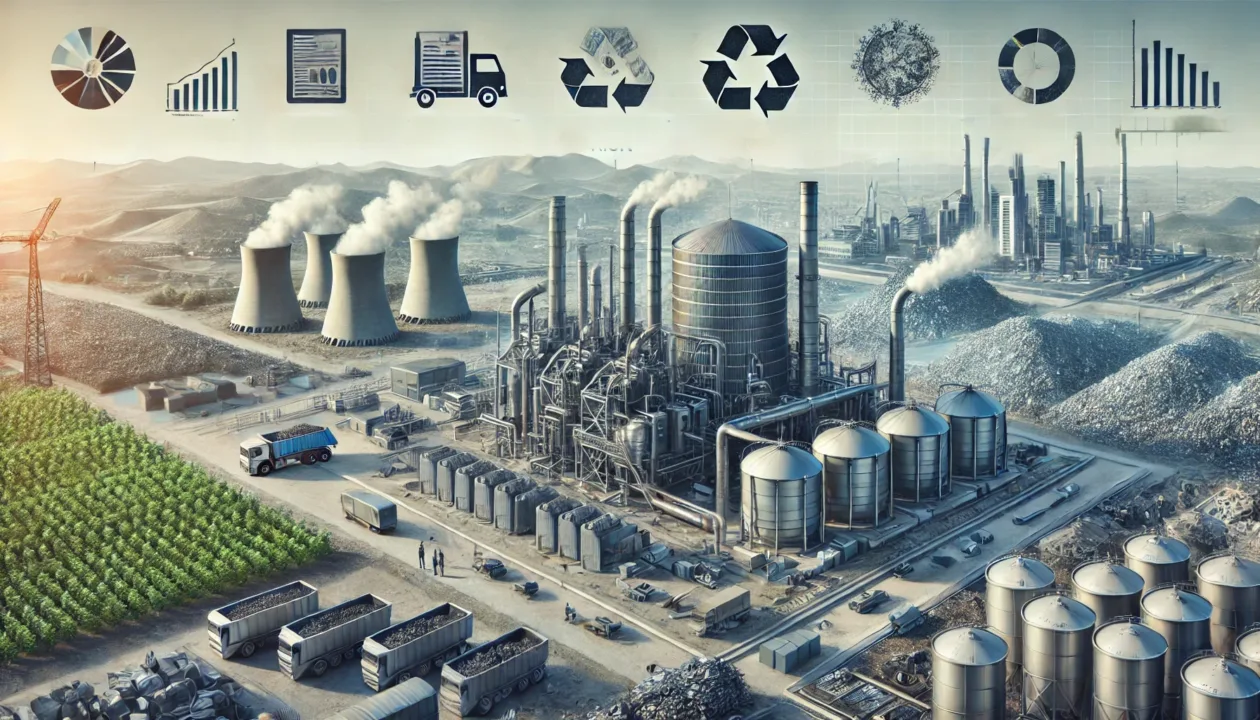
While bioenergy offers significant benefits, several challenges hinder its widespread adoption. These include high initial costs, technological limitations, and insufficient policy support, which slow the transition to sustainable waste management.
Key Challenges in Bioenergy Adoption
- High Initial Costs
Establishing bioenergy facilities requires substantial investment in advanced technologies, equipment, and infrastructure. This can discourage governments and businesses from adopting bioenergy solutions.Example – Building waste-to-energy plants involves costly machinery like gasifiers and fermentation tanks, which take years to provide a return on investment. - Technological Gaps
Current innovation gaps in bioenergy systems limit their efficiency and scalability. Research is ongoing to improve processes like gasification and thermal decomposition, but progress is slow.Example – Some waste materials remain difficult to convert efficiently due to the lack of advanced processing technologies. - Policy Barriers and Regulatory Issues
Inconsistent policies and lack of regulatory support can impede bioenergy development. Clear guidelines and incentives are essential to promote investment and innovation.Example – Countries without subsidies or tax breaks for renewable energy projects struggle to attract funding for bioenergy infrastructure. - Public Awareness and Acceptance
Limited understanding of bioenergy’s benefits reduces public support. Awareness campaigns are necessary to educate communities on how bioenergy contributes to sustainability and waste management.Example – Misconceptions about waste-to-energy plants, such as pollution concerns, can delay project approvals. - Infrastructure and Funding Gaps
Many regions lack the necessary renewable infrastructure to process waste efficiently. Combined with funding challenges, this prevents bioenergy systems from being widely implemented.
Overcoming the Barriers
To overcome these challenges, increased investment, better policy frameworks, and advancements in technological adoption are essential. By addressing these issues, bioenergy can become a vital part of sustainable waste management and renewable energy solutions.
Future Trends and Innovations in Bioenergy and Waste Management
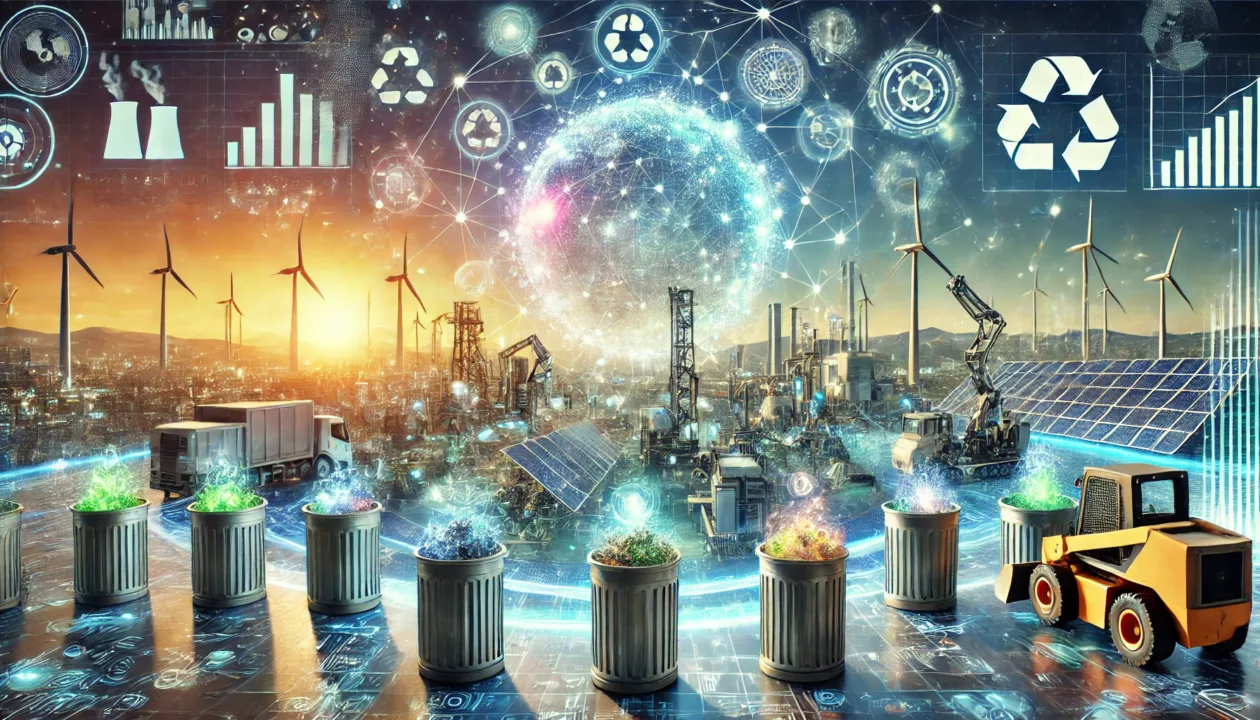
The future of bioenergy and waste management is being shaped by cutting-edge technologies and global collaborations. Innovations like AI-driven waste sorting, hybrid bioenergy systems, and smart energy grids promise greater efficiency and sustainability in renewable energy production.
Key Emerging Trends in Bioenergy
- Artificial Intelligence in Waste Management
AI-powered systems improve waste sorting by identifying and separating recyclable and organic materials. This boosts efficiency in waste valorization and ensures better feedstock for bioenergy production.Example – AI robots in recycling plants can sort waste 50% faster than manual processes, optimizing energy recovery systems. - Hybrid Bioenergy Systems
Combining technologies like solar, wind, and bioenergy creates hybrid systems that provide reliable and continuous energy. These systems enhance grid stability and maximize renewable energy use.Example – A hybrid plant uses bioenergy at night and solar power during the day, ensuring 24/7 energy supply. - Smart Energy Grids and Predictive Analytics
Smart grids use predictive analytics to manage and distribute renewable energy efficiently. These systems integrate bioenergy into existing power grids, reducing reliance on fossil fuels.Example – Predictive tools forecast energy demand, allowing bioenergy plants to optimize output and reduce waste. - Global Collaborations and Policies
International agreements promote cross-border cooperation on bioenergy research, funding, and technology sharing. These collaborations support innovation hubs and drive global adoption of renewable energy.Example – Agreements like the Paris Climate Accord encourage nations to invest in bioenergy solutions to meet emission targets. - Innovation Ecosystems
Emerging innovation hubs are driving advancements in bioenergy, from advanced fermentation techniques to sustainable waste management systems. These hubs are critical for scaling up future solutions.
Why Future Trends Matter
The integration of AI, hybrid solutions, and global collaborations in bioenergy offers hope for a sustainable energy future. By embracing these innovations, the next generation can lead the way in creating a cleaner, greener planet.
FAQs on Bioenergy and Waste Management
What is bioenergy and how does it relate to waste management?
Bioenergy is renewable energy derived from organic materials, known as biomass, including plant and animal waste. In waste management, bioenergy involves converting waste products into usable energy forms, such as electricity, heat, or biofuels, through processes like anaerobic digestion or combustion. This approach reduces landfill use and greenhouse gas emissions while generating sustainable energy.
How does anaerobic digestion work in processing waste for bioenergy?
Anaerobic digestion is a biological process where microorganisms break down organic matter, such as food waste or manure, in the absence of oxygen. This process produces biogas, a mixture of methane and carbon dioxide, which can be used as a renewable energy source. The remaining material, called digestate, can be utilized as a nutrient-rich fertilizer, enhancing waste recycling and energy recovery.
What types of waste can be converted into bioenergy?
What types of waste can be converted into bioenergy?Various waste types can be converted into bioenergy, including agricultural residues (e.g., crop stalks, animal manure), food waste, municipal solid waste, and industrial organic waste. Utilizing these waste streams for bioenergy production helps in waste reduction and provides alternative energy sources.
What are the environmental benefits of converting waste into bioenergy?
Converting waste into bioenergy offers several environmental benefits - reduces landfill usage, lowers greenhouse gas emissions, conserves natural resources, and produces organic fertilizers.
Are there any challenges associated with waste-to-bioenergy conversion?
Yes, challenges include feedstock variability, high initial costs, technological limitations, and regulatory hurdles, which can affect the efficiency and scalability of bioenergy projects.
How is the UK utilizing bioenergy in waste management?
The UK employs bioenergy in waste management through anaerobic digestion plants that process food and organic waste, waste-to-energy plants that convert municipal solid waste into electricity and heat, and supportive government policies promoting renewable energy and waste reduction.
What role does bioenergy play in achieving net-zero emissions?
Bioenergy contributes to net-zero emissions by providing a renewable alternative to fossil fuels, capturing methane emissions from waste, and supporting the circular economy through energy recovery and recycling.
What are some examples of successful waste-to-bioenergy projects?
Notable projects include Dark Green's urban biogas plants in the UK, Licella's biocrude production in Australia and Advetec's waste-to-fuel initiative in the Western Isles
References and Sources
Wikipedia – Anaerobic Digestion
BMC Energy – Waste to Bioenergy
Supergen Bioenergy – Progress of waste management in achieving UK’s net-zero goal