

What is Global Warming?
Global warming is the gradual increase in Earth’s average temperature due to the buildup of greenhouse gases like carbon dioxide (CO₂) and methane (CH₄) in the atmosphere. These gases trap heat from the sun, causing the Earth’s temperature to rise – a process often linked to climate change.
Historical Context
The Industrial Revolution in the late 1700s marked the beginning of significant human impact on the environment. Factories, transportation, and later, power plants started burning fossil fuels like coal and oil. These activities released large amounts of CO₂ and other greenhouse gases, creating a warming effect.
Current Relevance
Today, global warming is one of the biggest challenges we face. Earth’s temperature has increased by approximately 1.2°C (2.2°F) since pre-industrial times. This warming causes extreme weather, rising sea levels, and loss of biodiversity.
Causes of Global Warming
- Burning Fossil Fuels. Coal, oil, and natural gas release large quantities of CO₂. For example, car emissions and electricity production are major contributors.
- Deforestation. Cutting down forests reduces the number of trees that absorb CO₂.
- Agriculture. Farming activities produce methane, a potent greenhouse gas, from livestock and rice fields.
- Waste. Landfills release methane as organic waste decomposes.
Effects of Global Warming
- Extreme Weather. Stronger hurricanes, heatwaves, and droughts disrupt ecosystems and human lives.
- Melting Ice Caps. Arctic ice and glaciers are melting, causing sea levels to rise.
- Threats to Wildlife. Animals like polar bears lose their habitats due to shrinking ice and warming oceans.
- Impact on Humans. Higher temperatures can lead to health problems, water shortages, and economic challenges.
Relatable Example
Think of Earth as a greenhouse. The glass (our atmosphere) lets in sunlight but traps heat. When we add too much “glass” (greenhouse gases), it gets too hot inside. Activities like driving cars, cutting down trees, and keeping animals for food are all adding more “glass” to this greenhouse.

What Are the Reasons for Global Warming?
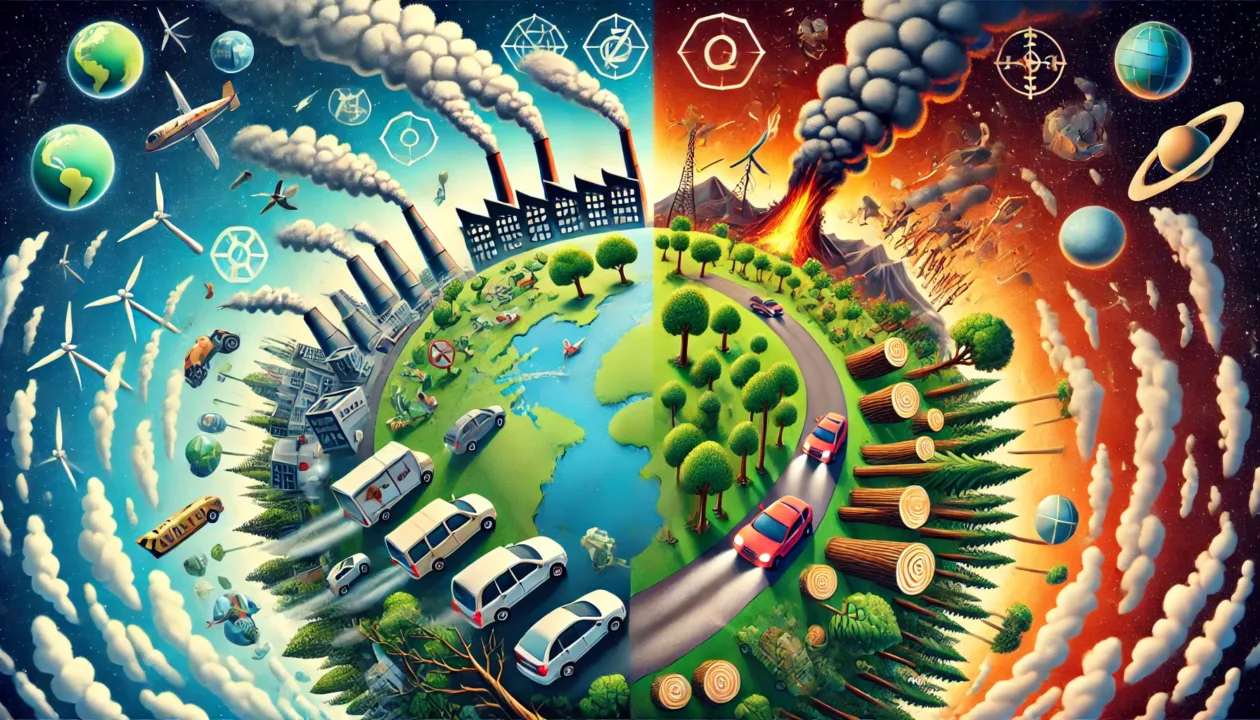
Global warming happens because certain actions release gases into the atmosphere, trapping heat and causing Earth’s temperature to rise. These actions can be divided into natural causes and human-made causes.
Natural Causes
- Volcanic Eruptions. Volcanoes release carbon dioxide (CO₂) and other gases into the air, which can temporarily increase global temperatures.
- Solar Activity. Changes in the sun’s energy output affect Earth’s climate, though these changes happen over long periods.
While natural causes have occurred for millions of years, they are not the main reasons for the current rapid warming.
Human Activities Affecting Climate
Humans have drastically changed Earth’s climate, especially since the Industrial Revolution. Human-made causes are responsible for most of the warming today.
- Burning Fossil Fuels
- What Happens? When we burn fuels like coal, oil, and natural gas for energy, we release large amounts of CO₂ into the atmosphere.
- Examples.
- Power plants burning coal to produce electricity.
- Cars and airplanes using gasoline and jet fuel.
- Impact. This CO₂ traps heat and increases the greenhouse effect, making Earth warmer.
- Deforestation
- What Happens? Trees absorb CO₂. When we cut them down for wood, paper, or to clear land for farming, there are fewer trees to take in CO₂.
- Examples. Logging forests for timber or clearing rainforests for cattle farms.
- Impact. This leads to more CO₂ staying in the atmosphere, worsening global warming.
- Industrialization
- What Happens? Factories release greenhouse gases like CO₂ and methane (CH₄) during production processes.
- Examples. Factories making cement, steel, or chemicals.
- Impact. These industries contribute significantly to rising CO₂ levels, growing a “carbon footprint” (the total amount of greenhouse gases caused by an activity).
- Agriculture and Waste
- Livestock like cows produce methane when they digest food. Methane is even more effective at trapping heat than CO₂.
- Landfills release methane when organic waste breaks down.
The Greenhouse Effect
Think of Earth as being wrapped in a blanket of gases. These gases, like CO₂ and CH₄, let sunlight in but trap heat, warming the planet. Human activities are making this “blanket” thicker, leading to higher temperatures.

Main Causes of Warming – A Recap
- Fossil Fuels. Burning coal, oil, and gas for energy.
- Deforestation. Cutting down trees reduces CO₂ absorption.
- Industrialization. Factories releasing greenhouse gases.
- Waste and Agriculture. Methane emissions from animals and landfills.
What Are the Effects of Global Warming on Earth?
Global warming impacts the Earth in many ways, causing major environmental changes and disturbing ecosystems. These changes affect our planet’s climate, wildlife, and even the way people live.

Rising Sea Levels
- Why It Happens. As the planet warms, glaciers and polar ice caps melt. Warmer temperatures also cause ocean water to expand.
- Impact
- Coastal areas flood, affecting cities like Miami and New York.
- Small islands risk disappearing entirely under water.
- Example. The Arctic is losing about 13% of its sea ice each decade.
Melting Glaciers and Ice Caps
- Why It Happens. Higher temperatures are melting ice at the poles and in mountain ranges.
- Impact
- Less fresh water for people and animals relying on glaciers.
- Habitat loss for animals like polar bears and penguins.
- Example. Glaciers in the Himalayas are shrinking, which could affect water supplies for millions of people in Asia.
Extreme Weather Patterns
- Why It Happens. A warmer planet causes stronger storms, hotter heatwaves, and longer droughts.
- Impact
- Hurricanes become more intense, causing severe damage.
- Heatwaves can lead to wildfires and health problems.
- Droughts harm crops, creating food shortages.
- Examples
- The 2021 Texas winter storm and severe droughts in California.
- Wildfires in Australia destroyed millions of acres of land.
Coral Bleaching and Ocean Changes
- Why It Happens. Warmer oceans stress coral reefs, turning them white (bleaching) and killing marine life.
- Impact
- Loss of coral reefs affects fish populations, harming people who rely on fishing.
- Rising ocean acidity makes it harder for sea creatures like clams to survive.
- Example. The Great Barrier Reef in Australia has lost more than 50% of its coral due to bleaching.
Biodiversity Loss
- Why It Happens. Global warming changes ecosystems too quickly for animals and plants to adapt.
- Impact
- Animals lose their homes and food sources, leading to extinction.
- Forests like the Amazon are shrinking, reducing the variety of plants and animals.
- Examples
- Polar bears struggling to find food as Arctic ice melts.
- Species like frogs and birds disappearing in warmer regions.
Droughts and Desertification
- Why It Happens. Hotter temperatures and less rain turn fertile land into deserts.
- Impact
- Less food production in areas like Africa and the Middle East.
- People are forced to leave their homes, creating climate refugees.
- Example. The Sahel region in Africa is turning into desert land.

Why These Climate Effects Matter
These environmental changes not only harm nature but also affect humans. For instance.
- Flooding. Damages homes and forces people to move.
- Food shortages. Droughts and extreme weather make farming harder.
- Health issues. Heatwaves can cause dehydration and heatstroke.
How Does Global Warming Impact Human Life?
Global warming not only affects the environment but also creates serious problems for people. It influences our health, food supply, jobs, and even where we live. Let’s look at the human impact of warming and how it affects different areas of life.

Effects on Health
- Heatwaves
- Hotter temperatures can cause heat-related illnesses like dehydration and heatstroke, especially in cities.
- Example. In 2021, a heatwave in Canada caused hundreds of deaths due to extreme temperatures.
- Spreading Diseases
- Warmer weather allows diseases like malaria and dengue, carried by mosquitoes, to spread to new areas.
- Air Pollution.
- More heat increases air pollution, causing breathing problems, especially for people with asthma.
Food Security
- Crop Failures
- Droughts and unpredictable weather make it harder for farmers to grow food.
- Example. In parts of Africa and Asia, less rainfall has caused food shortages.
- Malnutrition
- When crops fail, food becomes expensive, leading to hunger and malnutrition, especially in poorer communities.
- Fishing Problems
- Warmer oceans kill fish populations, reducing food for millions of people who depend on seafood.
Socio-Economic Impacts
- Job Losses
- Farmers, fishermen, and factory workers face challenges as industries struggle with extreme weather and resource shortages.
- Example. Coral bleaching in the Great Barrier Reef has affected tourism and fishing jobs.
- Economic Damage
- Floods, hurricanes, and droughts destroy homes, roads, and businesses, costing billions of dollars to rebuild.
- Example. Hurricane Katrina in 2005 caused over $125 billion in damages in the U.S.
Population Displacement
- Climate Migration
- Rising sea levels, floods, and droughts force people to leave their homes.
- Example. Entire villages in island nations like Tuvalu and Kiribati are relocating because of rising seas.
- Water Scarcity
- Melting glaciers and droughts reduce fresh water supplies, pushing people to move to areas with more resources.
- Example. Farmers in India and Africa often migrate during prolonged droughts.
Why These Socio-Economic Impacts Matter
- Health Problems. Heat and diseases can overwhelm hospitals.
- Hunger and Poverty. Food shortages lead to higher prices, making it harder for families to survive.
- Lost Homes and Jobs. People may lose everything, forcing them to rebuild their lives elsewhere.
How Can We Combat Global Warming?
Global warming is a big problem, but there are solutions! By working together and taking action, we can protect our planet. Here are some ways to reduce our carbon footprint and fight back against climate change.

Switch to Renewable Energy
- What It Means. Use clean energy sources that don’t release carbon dioxide (CO₂) into the atmosphere.
- Examples
- Solar Power. Capturing sunlight to generate electricity.
- Wind Energy. Using wind turbines to produce power.
- Why It Helps. Renewable energy replaces fossil fuels like coal and oil, which are major causes of global warming.
- Example in Action. Countries like Germany and Denmark use wind and solar power for much of their energy.
Reforestation and Afforestation
- What It Means
- Reforestation. Planting trees in areas where forests were cut down.
- Afforestation. Planting trees in places where there were no forests before.
- Why It Helps. Trees absorb CO₂ from the atmosphere, reducing greenhouse gases.
- Example in Action. India’s “Green India Mission” plants millions of trees each year to combat global warming.
Carbon Capture Technologies
- What It Means. Using machines to capture CO₂ from the air or factory emissions before it reaches the atmosphere.
- Why It Helps. Captured carbon can be stored underground or used to make products like concrete.
- Example in Action. Factories in Iceland use carbon capture to store CO₂ in rocks, preventing it from adding to the greenhouse effect.
Policy Changes and International Agreements
- What It Means. Governments and countries working together to create rules and laws to fight global warming.
- Examples
- Carbon Taxes. Companies pay for the CO₂ they emit, encouraging them to pollute less.
- Paris Agreement. An international treaty where countries promise to limit temperature rise to 1.5°C by reducing emissions.
- Why It Helps. Big changes, like cutting emissions from industries and transportation, require global cooperation.
Everyday Actions to Reduce the Carbon Footprint
Even small actions can make a difference.
- Save Energy. Turn off lights and use energy-efficient appliances.
- Reduce, Reuse, Recycle. Recycling items like plastic and paper cuts down waste and pollution.
- Use Public Transport. Biking, walking, or taking the bus reduces car emissions.
- Eat Sustainably. Eating less meat can lower methane emissions from livestock.
Why Climate Action Matters
Combating global warming is not just about big technologies and policies – it’s about everyone working together. Renewable energy, planting trees, and smart policies can slow down climate change and make Earth a healthier place for future generations.
By making small changes in our lives and supporting large-scale solutions, we can take meaningful steps to protect our planet.
How Do Governments and Organizations Tackle Global Warming?
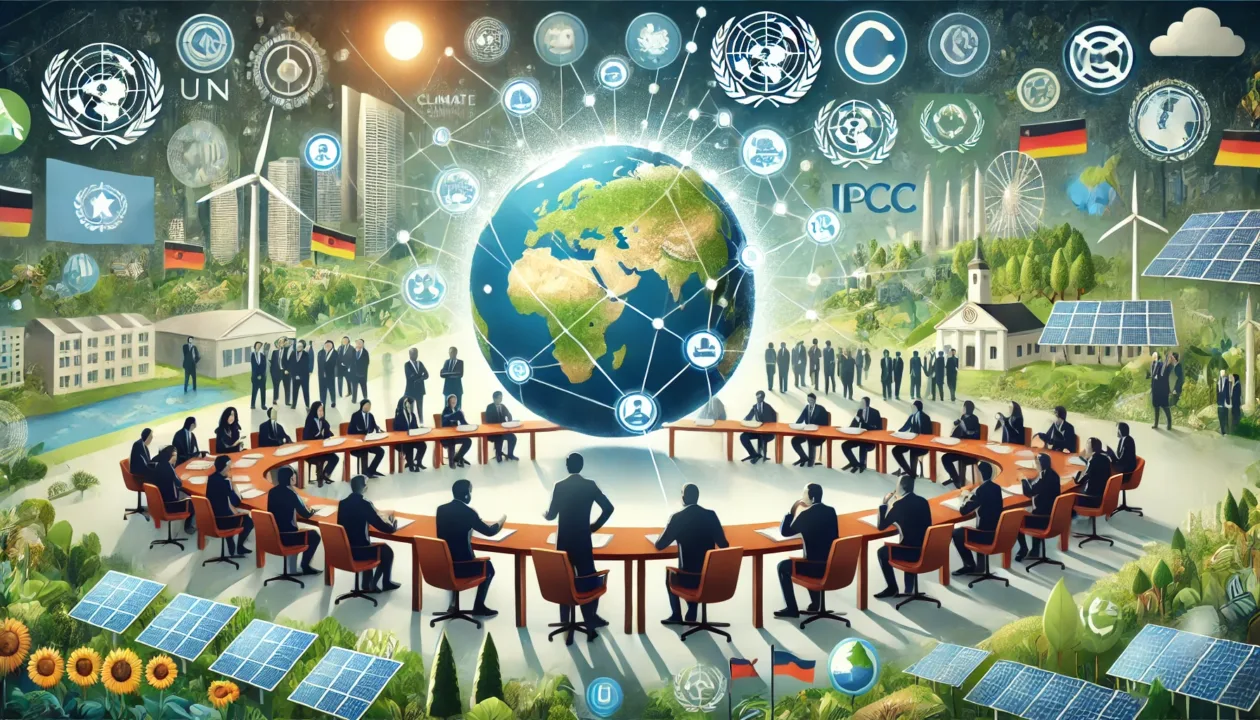
Global warming is too big a problem for one person or country to solve alone. That’s why government climate policies and global initiatives are so important. Governments and organizations work together through laws, agreements, and projects to protect the Earth.
International Agreements
What Are They? Agreements where countries promise to work together to reduce global warming.
- The Paris Agreement
- An agreement signed by almost every country to keep global temperature rise below 1.5°C.
- Each country sets goals to cut emissions, like using renewable energy and reducing pollution.
- Example. The U.S. pledged to cut greenhouse gas emissions by 50% by 2030.
- The Kyoto Protocol
- A treaty where countries agreed to limit harmful gases like carbon dioxide.
Government Climate Policies
What Are They? Rules and laws that countries create to reduce emissions and protect the environment.
- Emission Limits
- Governments set limits on how much carbon dioxide factories and power plants can release.
- Example. The European Union has strict limits on car emissions to promote cleaner vehicles.
- Carbon Taxes
- Companies have to pay money for the amount of CO₂ they release. This encourages them to use cleaner technologies.
- Example. Canada introduced a carbon tax to push industries toward renewable energy.
- Support for Clean Energy
- Governments fund solar, wind, and hydroelectric power projects.
- Example. India’s solar farms provide clean energy to millions of people.
Initiatives by Global Organizations
What Are They? Projects and programs run by groups like the United Nations (UN) to fight global warming.
- United Nations Framework Convention on Climate Change (UNFCCC)
- The UN helps countries share ideas and resources to reduce emissions.
- It organizes global climate conferences like COP29, where leaders discuss solutions.
- The Green Climate Fund
- Provides money to poorer countries to help them fight climate change and adopt clean technologies.
- Intergovernmental Panel on Climate Change (IPCC)
- A group of scientists studying climate change and advising governments on what to do.
Global Initiatives and Collective Efforts
Why Work Together? Climate change affects everyone. No country can fix it alone.
- Reforestation Programs. Many countries are planting millions of trees to absorb carbon dioxide.
- Example. The African Union’s “Great Green Wall” aims to plant trees across 11 countries to stop desertification.
- Technology Sharing. Richer countries share technologies like carbon capture with developing nations to help them reduce emissions.
Why International Efforts Matter
- Stronger Together. Countries that work together can make a bigger impact.
- Protecting Future Generations. Policies and agreements today can create a cleaner, safer world for tomorrow.
- Shared Responsibility. Global warming is a shared problem, and everyone needs to play their part.
What Can You Do to Reduce Global Warming?
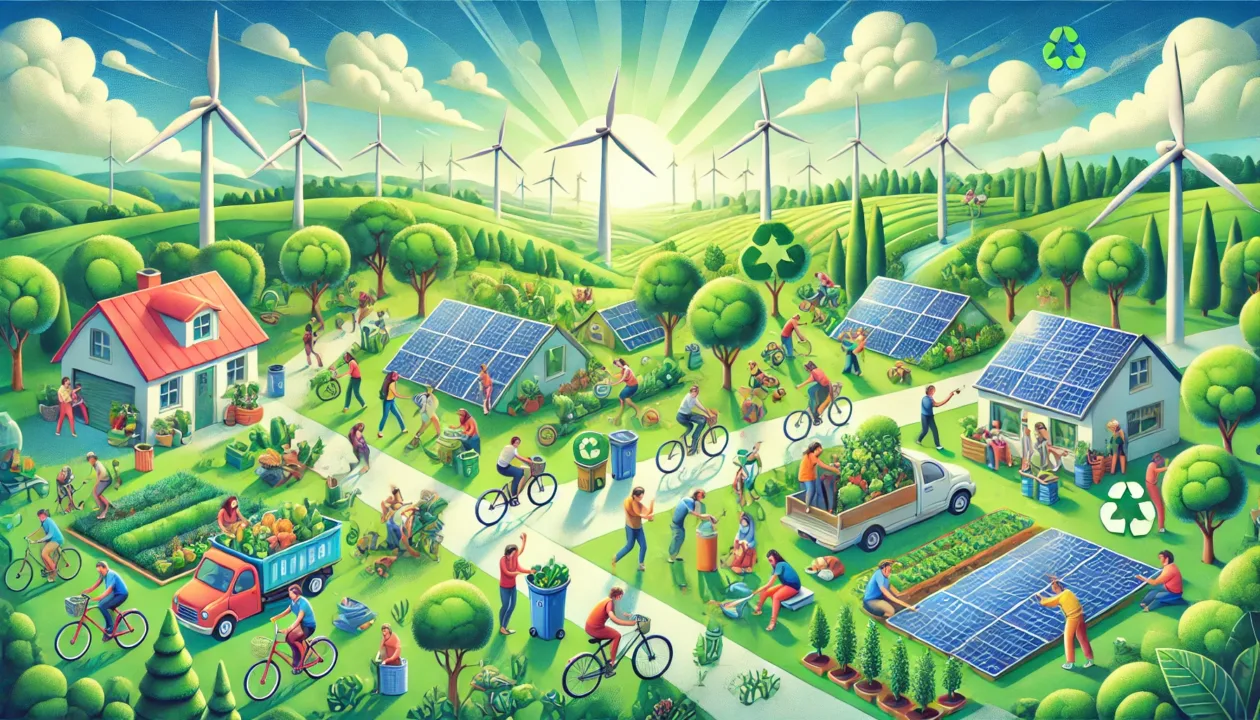
You might think that one person can’t make much of a difference, but that’s not true! There are many individual solutions you can use to help the planet. Small changes in your daily life can add up to big impacts over time. Let’s explore how you can adopt a green lifestyle and take personal actions for climate protection.
Save Energy at Home
Using less energy reduces greenhouse gas emissions because most energy comes from burning fossil fuels.
- Simple Steps
- Turn off lights, TVs, and electronics when not in use.
- Use energy-efficient appliances and LED bulbs.
- Set the air conditioner or heater to a moderate level.
- Why It Helps. Saving energy lowers the demand for electricity, which reduces CO₂ emissions.
Reduce Waste and Recycle
- Recycling
- Sort paper, plastic, glass, and metal into recycling bins.
- Example. Recycling one aluminum can saves enough energy to power a TV for three hours.
- Reduce Plastic Use
- Avoid single-use plastics like straws and bags.
- Use reusable water bottles, lunch boxes, and shopping bags.
- Composting
- Turn food scraps into fertilizer instead of sending them to landfills, which release methane gas.
- Why It Helps. Less waste in landfills means fewer emissions of harmful gases like methane.
Support Sustainable Products
What you buy can make a big difference!
- Choose Eco-Friendly Products
- Look for items made from recycled materials or renewable resources.
- Buy locally produced goods to reduce transportation emissions.
- Avoid Fast Fashion
- Buy durable clothes or shop second-hand.
- Support brands that use sustainable practices.
- Why It Helps. Sustainable shopping reduces the environmental damage caused by mass production and shipping.
Participate in Community Efforts
- Plant Trees. Trees absorb CO₂ and provide shade, reducing the need for air conditioning. Join local tree-planting events!
- Clean Up Drives. Help organize or join efforts to clean parks, beaches, or neighborhoods.
- Support Local Initiatives. Encourage schools, libraries, or community centers to use renewable energy or recycle more.
Walk, Bike, and Use Public Transport
- Why It Helps. Cars and trucks release a lot of CO₂. Choosing walking, biking, or buses reduces your carbon footprint.
- Example. If you bike to school instead of getting a car ride, you save about 1 pound of CO₂ per mile.
Spread Awareness and Inspire Others
- Talk About Climate Action. Share what you’re doing with friends and family to inspire them.
- Get Creative. Start a blog, make posters, or join school clubs focused on the environment.
Why Personal Actions for Climate Matter
When millions of people make small changes, the effect is huge! Adopting a green lifestyle helps reduce greenhouse gases, protect natural resources, and create a healthier planet for everyone. Every little step counts, and you can be a part of the solution!
FAQs on Global Warming
What is global warming?
Global warming refers to the long-term increase in Earth's average surface temperature due to human activities, primarily the emission of greenhouse gases like carbon dioxide and methane. These emissions trap heat in the atmosphere, leading to a gradual rise in temperatures.
How is global warming different from climate change?
Global warming specifically denotes the rise in global average temperatures, whereas climate change encompasses global warming and its broader effects, including shifts in weather patterns, rising sea levels, and increased frequency of extreme weather events.
What evidence supports the existence of global warming?
Evidence for global warming includes rising global surface temperatures, melting glaciers and ice sheets, increasing sea levels, and more frequent extreme weather events. Scientific measurements and observations over decades have consistently shown these trends.
Are human activities the main cause of global warming?
Yes, the scientific consensus is that human activities, particularly the burning of fossil fuels and deforestation, are the primary drivers of the recent increase in global temperatures. These actions increase greenhouse gas concentrations in the atmosphere, enhancing the natural greenhouse effect.
What are the potential impacts of global warming?
Potential impacts include more frequent and severe heatwaves, rising sea levels leading to coastal flooding, disruptions to agriculture affecting food security, loss of biodiversity, and increased health risks due to heat-related illnesses and the spread of diseases.
Can global warming be reversed?
While it may not be possible to reverse global warming entirely, its progression can be slowed and its impacts mitigated through significant reductions in greenhouse gas emissions, adoption of renewable energy sources, and implementation of sustainable practices.
What role do natural factors play in global warming?
Natural factors such as volcanic eruptions and variations in solar radiation can influence Earth's climate. However, the rapid warming observed over the past century cannot be explained by natural factors alone and is largely attributed to human activities.
How can individuals help combat global warming?
Individuals can contribute by reducing energy consumption, using public transportation, supporting renewable energy initiatives, conserving water, recycling, and advocating for policies aimed at reducing greenhouse gas emissions.
References and Sources
Wikipedia – Global Warming and Climate Change
NOAA Climate – Difference between Global Warming and Climate Change