
Have you ever wondered how the things you do every day can affect the environment? When we talk about a “carbon footprint,” we’re talking about the amount of carbon dioxide (CO2) and other greenhouse gases that are released into the atmosphere because of the activities we do. This might sound complicated, but it’s really about understanding how our actions, like driving a car or using electricity, impact the planet.
What is a Carbon Footprint?
Let’s start by defining what a carbon footprint means.
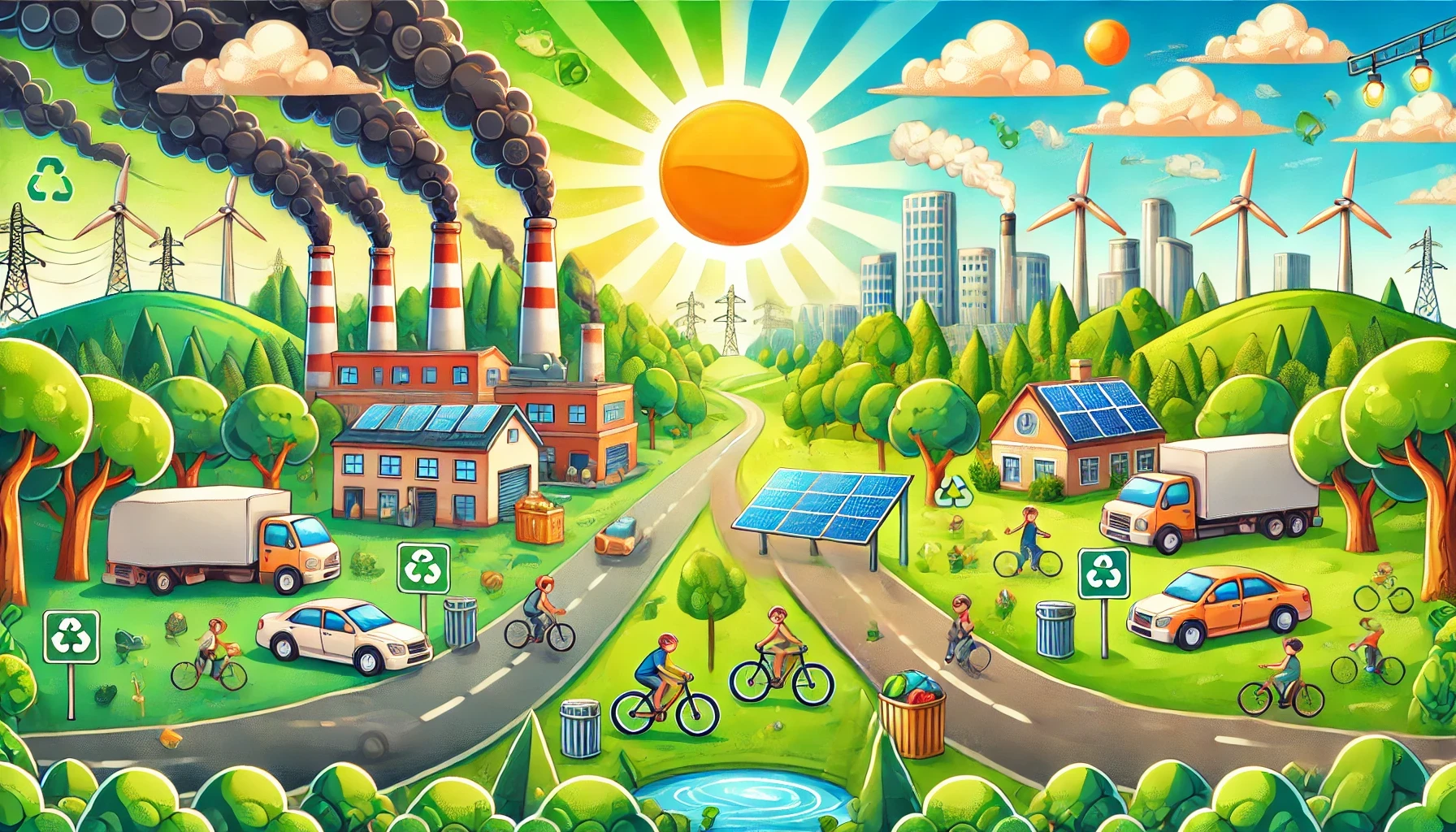
A carbon footprint is the total amount of greenhouse gases, like carbon dioxide, that are produced by our actions. These gases trap heat in the atmosphere, leading to something called global warming, which is a big part of climate change.
Think of it like this:
Imagine you’re walking on a beach. Every step you take leaves a footprint in the sand. Your carbon footprint works the same way, but instead of leaving marks in the sand, you’re leaving a trail of carbon emissions in the air. These emissions come from many different things, such as how we heat our homes, the kind of transportation we use, and even the food we eat.
Why is Your Carbon Footprint Important?
You might be wondering, “Why does this matter?”
Well, the significance of your carbon footprint is that it helps us understand our environmental impact. The more carbon emissions we produce, the more we contribute to global warming.
Global warming is the rise in Earth’s temperature, and it’s causing big changes in our world, like melting ice caps, rising sea levels, and more extreme weather.
If everyone on the planet leaves a big carbon footprint, these changes happen faster and are more severe. That’s why it’s important for each of us to be aware of our carbon footprint and try to reduce it. By doing so, we can help slow down climate change and protect our planet for future generations.

What contributes to a Carbon Footprint?
Several factors contribute to an individual’s or an organization’s carbon footprint. Here are some common ones:
- Transportation. Cars, buses, airplanes, and other vehicles burn fuel, which produces CO2. The more you drive or fly, the bigger your carbon footprint.
- Energy Use. When we use electricity, especially if it comes from burning coal or gas, it creates carbon emissions. Simple things like turning off lights when you leave a room can help reduce your footprint.
- Food Choices. Did you know that the food you eat can also affect your carbon footprint? Producing meat, especially beef, creates a lot of greenhouse gases. Eating more vegetables and less meat can lower your footprint.
- Waste. Throwing things away instead of recycling them means more trash ends up in landfills, where it can release harmful gases. Recycling and reusing items can make a big difference.
How Can You Reduce Your Carbon Footprint?
Reducing your carbon footprint is a way to take care of the planet. Here are some simple ways to start:
- Walk or bike instead of driving. This reduces the carbon emissions from cars.
- Turn off and unplug. Save energy by turning off lights, TVs, and other electronics when you’re not using them.
- Recycle and compost. This reduces the amount of waste that goes to landfills.
- Eat more plants. Choosing plant-based foods over meat can help lower your carbon footprint.
By making these small changes, you can help create a more sustainable world. Remember, every little bit helps, and together, we can make a big difference!
Major Sources Contributing to Carbon Footprint
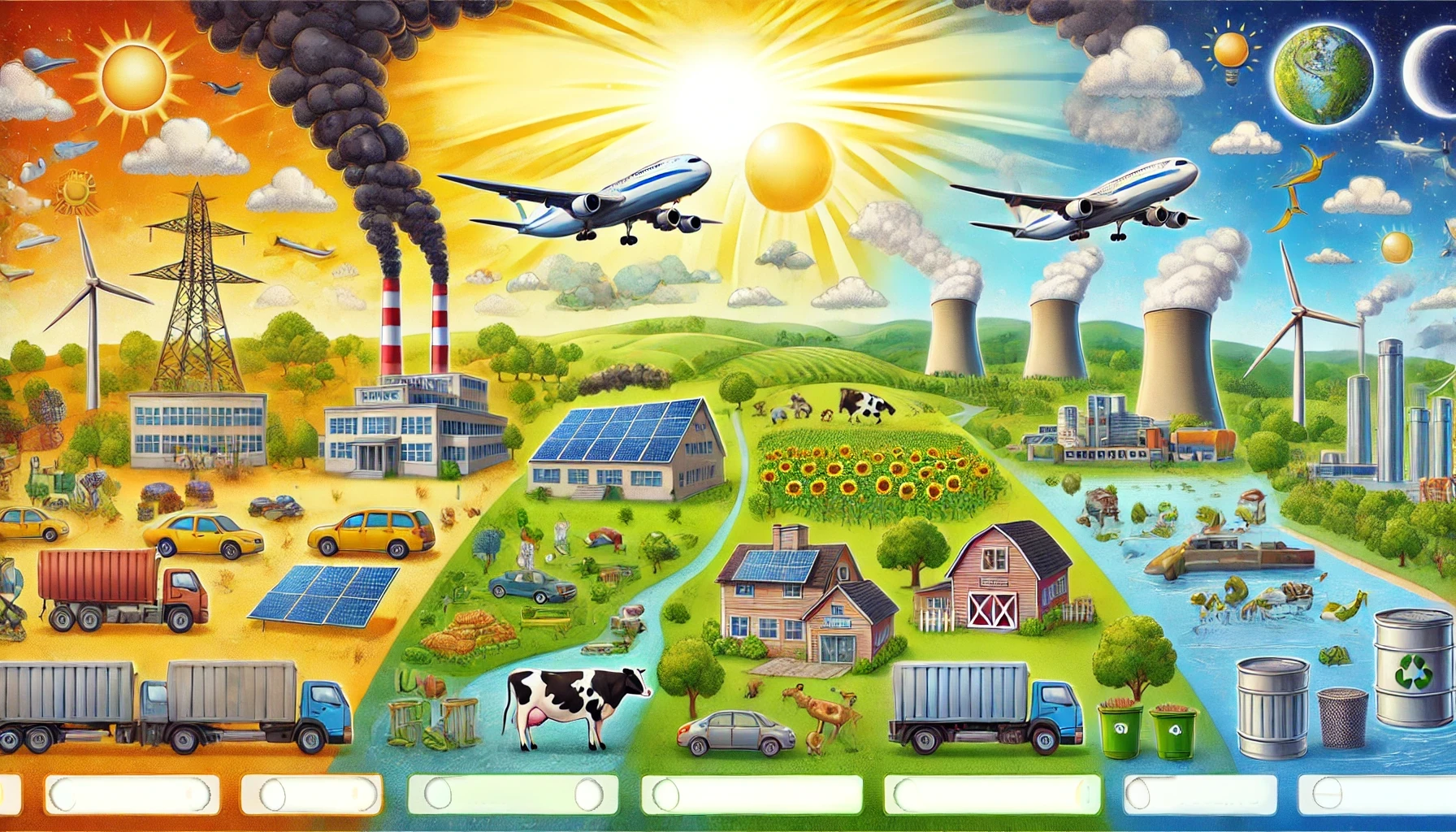
When we talk about a carbon footprint, we’re looking at all the ways our activities release carbon dioxide (CO2) and other greenhouse gases into the air. These gases trap heat in the atmosphere, leading to global warming and climate change. But where exactly do these carbon emissions come from? Let’s explore the major sources contributing to our carbon footprints.
Transportation Emissions
One of the biggest contributors to our carbon footprints is transportation emissions.
Every time you ride in a car, bus, or airplane, fossil fuels like gasoline or diesel are burned to power these vehicles. This burning process releases CO2 into the atmosphere. The more we drive or fly, the more carbon emissions we produce.
Even though cars are getting more efficient and some run on electricity, transportation remains a major source of carbon emissions.
Energy Consumption
Another significant source of carbon footprint is energy consumption.
We use energy every day to power our homes, schools, and devices. Most of this energy comes from burning fossil fuels like coal, oil, and natural gas, which releases large amounts of CO2.
For example, when you turn on the lights, charge your phone, or use the air conditioner, you’re consuming energy. The carbon intensity, or the amount of carbon emissions produced per unit of energy, is especially high when the energy comes from non-renewable sources. However, using renewable energy sources like solar or wind power can help reduce these emissions.
Food Production Emissions
You might not think about it, but the food we eat also contributes to our carbon footprints.
Food production emissions come from several sources, including the machinery used to plant and harvest crops, the transportation of food to stores, and the methane emissions from livestock like cows. Methane is another greenhouse gas, and it’s even more powerful than CO2 in trapping heat. Foods like beef and dairy have a particularly high carbon footprint because they require a lot of resources and produce more emissions during their production.
Waste Management
Waste management is another factor in our carbon footprints.
When we throw things away, they often end up in landfills. As waste breaks down, it produces methane, a potent greenhouse gas. The process of collecting, transporting, and processing waste also requires energy, which adds to carbon emissions.
Recycling and composting can help reduce the amount of waste that ends up in landfills, which in turn helps lower our carbon footprint.
Direct vs. Indirect Emissions
It’s important to understand the difference between direct and indirect emissions.
Direct emissions are those that come straight from the activities we do, like driving a car or using electricity.
Indirect emissions, on the other hand, are the emissions produced during the lifecycle of the products we use. For example, the energy used to make a smartphone and transport it to a store also contributes to our carbon footprint, even though we don’t see those emissions directly.

The Role of Industries and Individuals
Both industries and individuals play a role in contributing to carbon footprints.
Industrial emissions come from factories, power plants, and other large operations that burn fossil fuels to make products, generate electricity, or process materials. These industries have a huge impact on the environment because of their large-scale energy use and waste production.
As individuals, our everyday choices also contribute to carbon footprints. The way we travel, the food we eat, and the amount of waste we produce all add up.
By making more eco-friendly choices – like using public transportation, eating more plant-based foods, and recycling – we can help reduce our personal carbon footprints.
Measuring Carbon Footprint
Have you ever wondered how much impact your daily activities have on the environment?
Measuring your carbon footprint helps you understand this impact by calculating the amount of greenhouse gases, like carbon dioxide (CO2), that you’re responsible for emitting. But how do we measure something like a carbon footprint? Let’s explore some of the methods and tools used to calculate and measure carbon footprints.

How to Measure Carbon Footprint
Measuring a carbon footprint involves looking at all the activities that produce carbon emissions. This can include things like driving a car, using electricity, and even the food you eat. By adding up all these emissions, we can get a better idea of our environmental impact. But because it’s not always easy to measure every single activity, scientists and environmentalists have developed tools to help us.
Carbon Footprint Calculators
One of the easiest ways to measure your carbon footprint is by using a carbon footprint calculator.
These tools ask you questions about your lifestyle, such as how you get around, what kind of energy you use at home, and how much waste you produce. Then, they use something called emission factors to calculate how much carbon dioxide your activities produce.
For example, driving a car has a certain emission factor depending on how far you drive and what kind of fuel your car uses.
Some popular carbon footprint calculators include:
- The Nature Conservancy’s Carbon Footprint Calculator. This tool helps you calculate your carbon footprint based on your household size, transportation, food choices, and energy use.
- CoolClimate Network Calculator. Developed by researchers at the University of California, this calculator provides detailed insights into your carbon emissions and offers tips on how to reduce them.
- Carbon Footprint Ltd. Calculator. This is a more advanced tool often used by businesses, but individuals can use it too. It helps measure the carbon emissions of different activities, from travel to energy use.
Why Accurate Measurement is Important
Accurately measuring your carbon footprint is important because it helps you identify areas where you can make changes to reduce your emissions. For example, if you find out that most of your carbon footprint comes from driving, you might choose to carpool more often or take public transportation.
For businesses, accurate measurement is crucial for creating a greenhouse gas inventory, which is a detailed account of all the emissions produced by a company.
Once you know where your emissions are coming from, you can take steps to reduce them. This process is known as carbon management. By managing your carbon footprint, you can help slow down climate change and make the world a better place for everyone.

Methods for Calculating Carbon Footprint
There are different methods for calculating a carbon footprint depending on whether you’re an individual or a business.
For individuals, the most common method is using a carbon footprint calculator, as mentioned earlier.
For businesses, the process is a bit more complex.
- Energy Audits. One method businesses use is an energy audit. This is where experts analyze how much energy a business uses and how much CO2 is emitted as a result. By identifying areas where energy is wasted, businesses can make changes to become more energy-efficient and reduce their carbon footprint.
- Carbon Accounting. Another method is carbon accounting, which is a way for businesses to keep track of their carbon emissions over time. It’s similar to how you might keep track of your money by using a budget. Businesses can use carbon accounting to set goals for reducing their emissions and to measure their progress.
- Carbon Offsets. Sometimes, businesses and individuals might not be able to reduce their emissions as much as they’d like. In these cases, they can purchase carbon offsets. This means paying for projects that reduce or remove carbon from the atmosphere, like planting trees or investing in renewable energy. By supporting these projects, they can “offset” the emissions they can’t reduce.
Examples of Carbon Measurement Tools
There are many tools available to help measure carbon footprints, and they all work a little differently. Here are a few examples:
- Greenhouse Gas Protocol. This is a global standard for measuring and managing greenhouse gas emissions. It’s used by businesses and governments around the world to create accurate and consistent emissions reports.
- RE100 Reporting Framework. This tool helps businesses measure their progress toward using 100% renewable energy, which can significantly reduce their carbon footprints.
- Climate Neutral Now Calculator. This tool, developed by the United Nations, helps individuals and businesses measure their carbon footprints and offers suggestions for reducing emissions.
Measuring your carbon footprint is the first step toward reducing your environmental impact. By using tools like carbon footprint calculators, energy audits, and carbon accounting, both individuals and businesses can take meaningful actions to protect the planet. Remember, every small change counts, and together, we can make a big difference!
Effective Ways to Reduce Your Carbon Footprint
Have you ever thought about how your actions affect the planet?
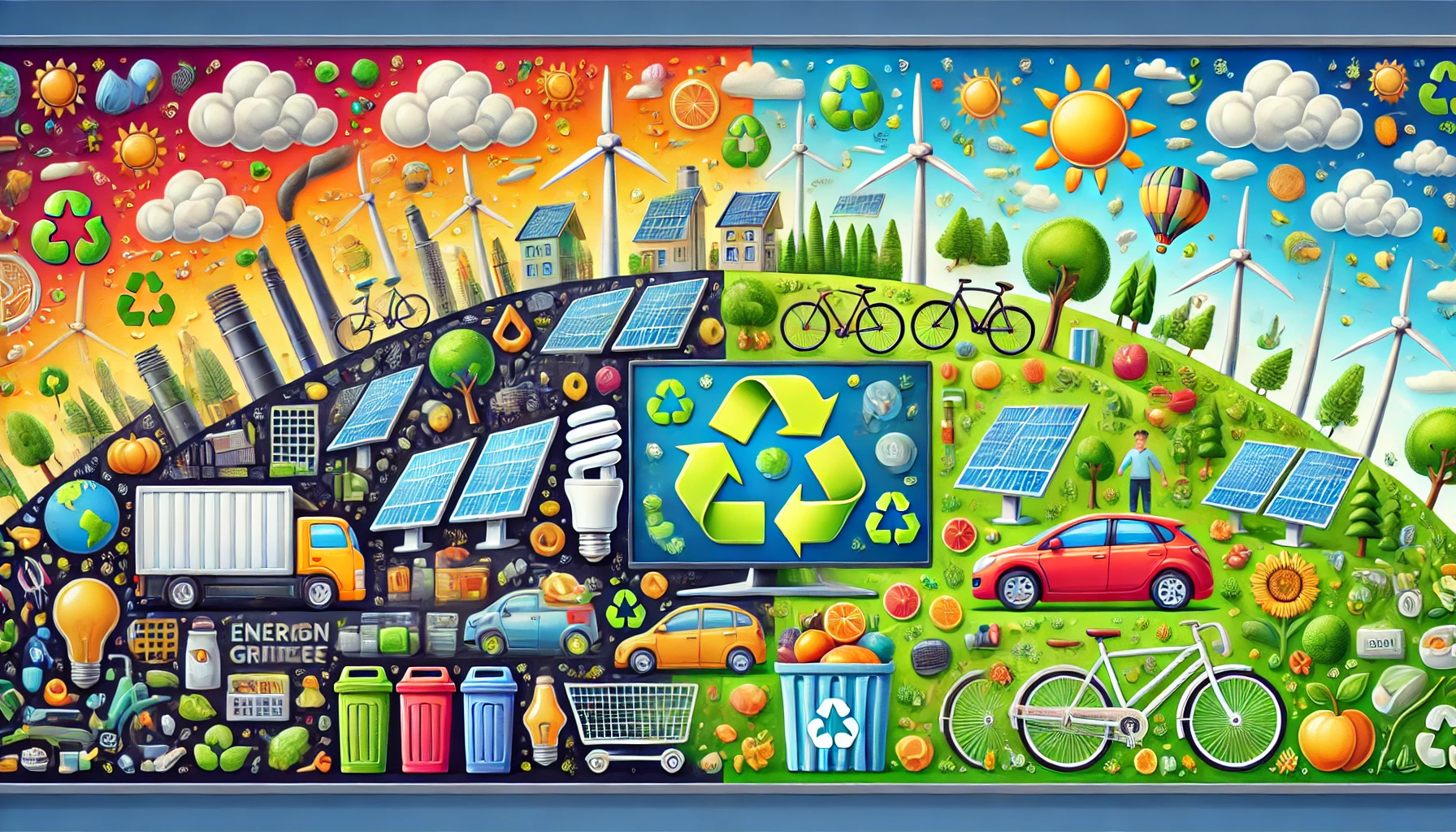
Everything we do, from the way we travel to the food we eat, leaves a mark on the environment. This mark is called a carbon footprint, and it represents the amount of carbon dioxide (CO2) and other greenhouse gases our activities release into the atmosphere. The good news is that there are many ways to reduce your carbon footprint and help protect our planet. Let’s explore some effective strategies!
Energy Efficiency
One of the easiest ways to reduce your carbon footprint is by improving energy efficiency. This means using less energy to do the same tasks, which helps lower carbon emissions. Here are some tips to become more energy-efficient:
- Turn off lights and electronics when you’re not using them. This simple action can save a lot of energy.
- Use energy-efficient appliances like LED bulbs or Energy Star-rated devices. These use less power and help reduce carbon emissions.
- Install solar panels if possible. Solar energy is a form of renewable energy that doesn’t produce any carbon emissions.
By making these small changes, you can make a big difference in reducing your energy use and carbon footprint.
Sustainable Transportation
The way we get around also has a big impact on our carbon footprint. Cars, buses, and planes all burn fossil fuels, which release CO2 into the atmosphere. Here are some ways to adopt sustainable transportation:
- Walk or bike whenever you can. It’s a great way to stay healthy and reduce your carbon emissions.
- Use public transportation like buses or trains. This is more eco-friendly than driving alone in a car.
- If you need to drive, consider an electric vehicle (EV). EVs run on electricity instead of gasoline, which helps reduce carbon emissions.
Choosing more sustainable transportation options can significantly lower your carbon footprint.
Waste Reduction
Another important way to reduce your carbon footprint is through waste reduction. When we throw things away, they often end up in landfills, where they can produce methane, a powerful greenhouse gas. Here are some tips to reduce waste:
- Recycle materials like paper, plastic, and glass. Recycling helps reduce the need for new materials and lowers carbon emissions.
- Compost food scraps instead of throwing them in the trash. Composting turns organic waste into nutrient-rich soil, reducing methane emissions.
- Use reusable bags, bottles, and containers. This reduces the amount of single-use plastics that end up in landfills.
By reducing waste, we can decrease the amount of greenhouse gases released into the atmosphere.
Sustainable Diet
What we eat also affects our carbon footprint. Sustainable diet choices can help reduce the environmental impact of food production. Here’s how:
- Eat more plant-based foods. Producing meat, especially beef, requires a lot of resources and produces more greenhouse gases than growing fruits and vegetables.
- Choose locally grown foods. Foods that are grown close to where you live don’t have to travel as far, which reduces carbon emissions from transportation.
- Avoid food waste. Plan your meals and store food properly to reduce the amount of food that gets thrown away.
By making more sustainable food choices, you can help reduce the carbon emissions associated with food production.

Taking Action at the Organizational Level
It’s not just individuals who can reduce their carbon footprints; organizations and schools can, too! Here are some ways they can help:
- Implement energy-saving practices like turning off lights and computers when not in use.
- Encourage recycling and composting programs to reduce waste.
- Support the use of renewable energy by installing solar panels or purchasing green energy from a provider.
- Promote sustainable transportation by encouraging carpooling, public transportation, or even providing bike racks.
When everyone works together – both individuals and organizations – we can achieve carbon neutrality, meaning that we balance the carbon emissions we produce with actions that remove carbon from the atmosphere.
Government Policies and Global Initiatives to Mitigate Carbon Footprint
Have you ever wondered how governments around the world are working to protect our planet?
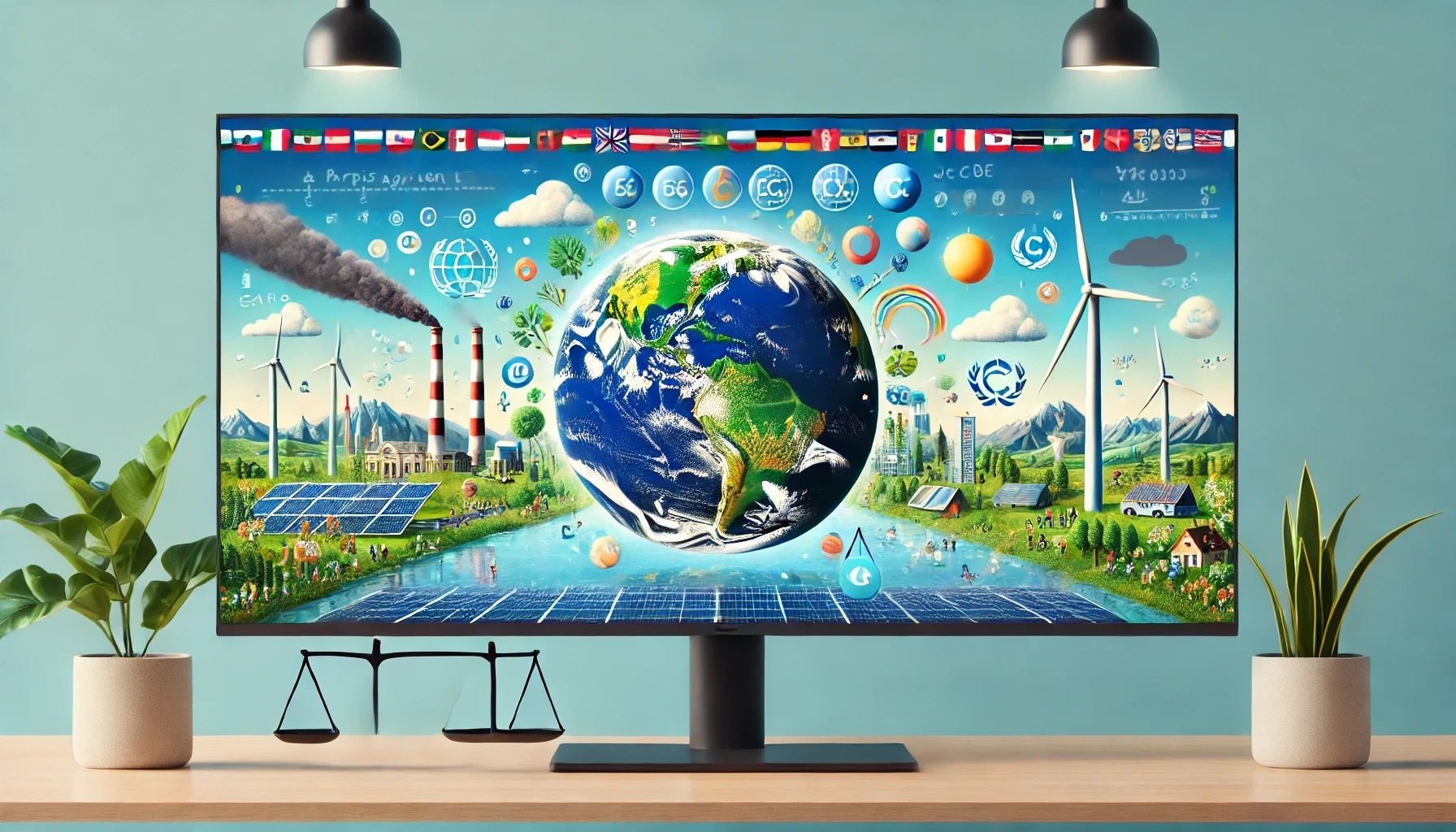
One of the big challenges they face is reducing the carbon footprints that contribute to climate change. A carbon footprint is the amount of carbon dioxide (CO2) and other greenhouse gases released into the air by our daily activities. To help reduce these emissions, governments and international organizations have created policies and agreements. Let’s explore some of these important efforts!
The Paris Agreement
One of the most significant international agreements is the Paris Agreement. In 2015, nearly every country in the world came together in Paris, France, to make a plan to fight climate change. The goal of the Paris Agreement is to keep the Earth’s temperature from rising too much by reducing carbon emissions. Countries that signed the agreement promised to take steps to lower their carbon footprints and to help each other reach this goal.
The Paris Agreement is important because it shows that countries around the world are willing to work together to solve a global problem. It also encourages countries to create their own plans to reduce emissions, which can include using more renewable energy, improving energy efficiency, and protecting forests.
Carbon Tax and Carbon Pricing
One way that governments encourage people and businesses to reduce their carbon footprints is through a carbon tax. A carbon tax is a fee that businesses have to pay for every ton of CO2 they emit. The idea is that by making it more expensive to pollute, businesses will try harder to reduce their emissions.
Another similar concept is carbon pricing. Carbon pricing can take different forms, but it generally means putting a price on the carbon emissions produced by businesses. This could be through a carbon tax or through an emissions trading system. In an emissions trading system, companies have a limit on how much CO2 they can emit, but they can buy or sell carbon credits with other companies. This creates an incentive to reduce emissions because companies that pollute less can sell their extra credits to others.
Environmental Regulations
Governments also use environmental regulations to help reduce carbon footprints. These regulations are rules that businesses and individuals must follow to protect the environment. For example, a government might require power plants to use cleaner technologies or set limits on how much CO2 cars can emit.
These regulations are important because they set standards that everyone has to follow. This helps ensure that businesses are taking steps to reduce their emissions and that individuals are making choices that are better for the environment.
Sustainable Development Goals (SDGs)
Another important initiative is the Sustainable Development Goals (SDGs), created by the United Nations. These are 17 goals that aim to make the world a better place by 2030. One of the key goals is to take urgent action to combat climate change and its impacts.
The SDGs encourage countries to adopt policies that support sustainable development, which means growing in a way that doesn’t harm the environment. This includes using renewable energy, protecting natural habitats, and promoting sustainable agriculture.

Successful Case Studies
There are many examples of how government policies have successfully reduced carbon footprints. Here are a few:
- Sweden’s Carbon Tax. Sweden introduced a carbon tax in 1991, and it has helped the country significantly reduce its carbon emissions. The money from the tax is used to support renewable energy projects and other environmental initiatives.
- Germany’s Renewable Energy Law. Germany has been a leader in promoting renewable energy through its laws and regulations. The country’s Renewable Energy Act encourages the use of wind, solar, and other renewable sources, which has greatly reduced Germany’s carbon footprint.
- California’s Emissions Trading System. In the United States, the state of California has an emissions trading system that has helped reduce greenhouse gas emissions. The system sets a cap on emissions and allows companies to trade carbon credits, creating a financial incentive to pollute less.
The Future of Carbon Footprint Reduction – Cool Tech to Save Our Planet
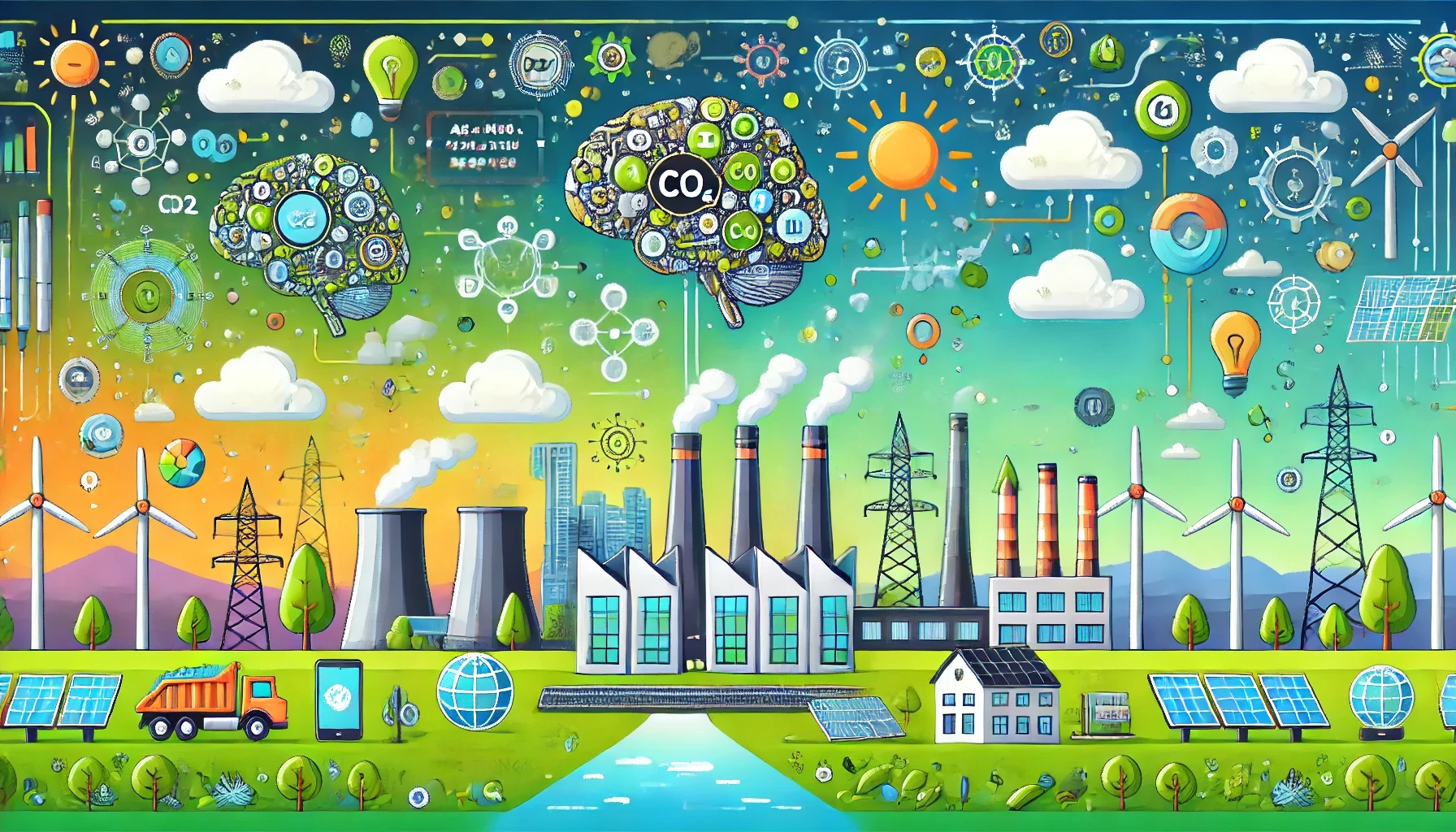
Reducing our carbon footprint is one of the biggest challenges we face today. But the future looks bright! With new technologies and smart ideas, we can make a big difference. Let’s explore some of the most exciting trends that are helping us reduce our carbon footprint.
Carbon Capture and Storage (CCS) – Trapping CO2
Imagine if we could catch all the bad stuff we put in the air and store it away. That’s what Carbon Capture and Storage (CCS) does! It’s like a giant vacuum cleaner that sucks up carbon dioxide (CO2) from power plants and factories. Then, it safely stores it underground where it can’t harm our planet. In the future, CCS could be everywhere, helping to keep the air we breathe cleaner.
Artificial Intelligence (AI) in Sustainability – Smarter Ways to Go Green
Artificial Intelligence, or AI, is like a super-smart computer that can help us make better decisions. In sustainability, AI can predict the best times to use energy, help design eco-friendly buildings, and even find new ways to reduce waste. AI is making our fight against climate change smarter and more efficient. Imagine robots helping scientists figure out how to reduce pollution – that’s the power of AI in action!
Renewable Energy Technologies – Power from Nature
Renewable energy is energy that comes from natural sources like the sun, wind, and water. Unlike coal and oil, renewable energy doesn’t run out and doesn’t pollute the Earth. Solar panels, wind turbines, and hydroelectric dams are examples of renewable energy technologies that are becoming more popular. In the future, we could see entire cities powered by these green technologies, making our carbon footprint smaller and smaller.
Smart Grids – Powering Up the Future
A smart grid is like a brain for the electricity network. It helps to manage how energy is used and shared. With smart grids, we can make sure that energy from renewable sources like solar and wind is used in the best way possible. Smart grids can also help reduce blackouts and make energy use more efficient, so we waste less power.
The Internet of Things (IoT) – Everything Connected
The Internet of Things, or IoT, connects everyday objects to the internet. This might sound futuristic, but it’s already happening! For example, smart thermostats can learn your schedule and adjust the temperature to save energy. IoT devices can also help reduce waste, like smart bins that tell you when they’re full. As more things get connected, we’ll be able to cut down on energy use and lower our carbon footprint even more.
Blockchain for Sustainability – Trustworthy and Transparent
Blockchain is a technology that keeps records in a way that everyone can trust. It’s like a digital ledger that can’t be changed. In sustainability, blockchain can track how products are made and where they come from, making sure companies follow green practices. It can also help manage carbon credits, which are used to reduce emissions. In the future, blockchain could make it easier for everyone to live more sustainably.
What’s Next? A Greener Future
The future of reducing our carbon footprint is full of promise. With these emerging technologies, we can look forward to a cleaner, greener world. As these innovations continue to grow, our planet will become healthier, and we’ll be one step closer to solving climate change. Who knows? Maybe you’ll even invent the next big idea that helps save the Earth!
Remember, even small actions today can lead to big changes tomorrow. So keep learning, stay curious, and together, we can make a difference!
How You and Your Community Can Help the Planet
You may think that you’re just one person and can’t make a big difference when it comes to saving the planet. But that’s not true! Both you and your community can take action to help reduce the carbon footprint and protect the environment. Let’s explore some simple steps you can take and how you can get involved in making your community greener.
Start with Small, Eco-Friendly Habits
Even small changes in your daily routine can add up to a big difference. Here are some easy things you can do to live a more carbon-conscious lifestyle:
- Turn Off Lights. When you leave a room, remember to turn off the lights. This saves energy and reduces your carbon footprint.
- Use Less Water. Take shorter showers and turn off the faucet while brushing your teeth. Saving water also saves energy.
- Recycle. Make sure to recycle paper, plastic, and glass. Recycling helps reduce waste and conserves natural resources.
- Walk or Bike. If you can, walk or ride your bike instead of asking for a car ride. This cuts down on pollution and keeps you healthy too!
- Bring Reusable Bags. Use reusable bags when you go shopping. This helps reduce the amount of plastic that ends up in landfills.
Get Involved in Community Initiatives
Communities are stronger when everyone works together. There are many local actions and grassroots movements that you can join to make your town or city more sustainable:
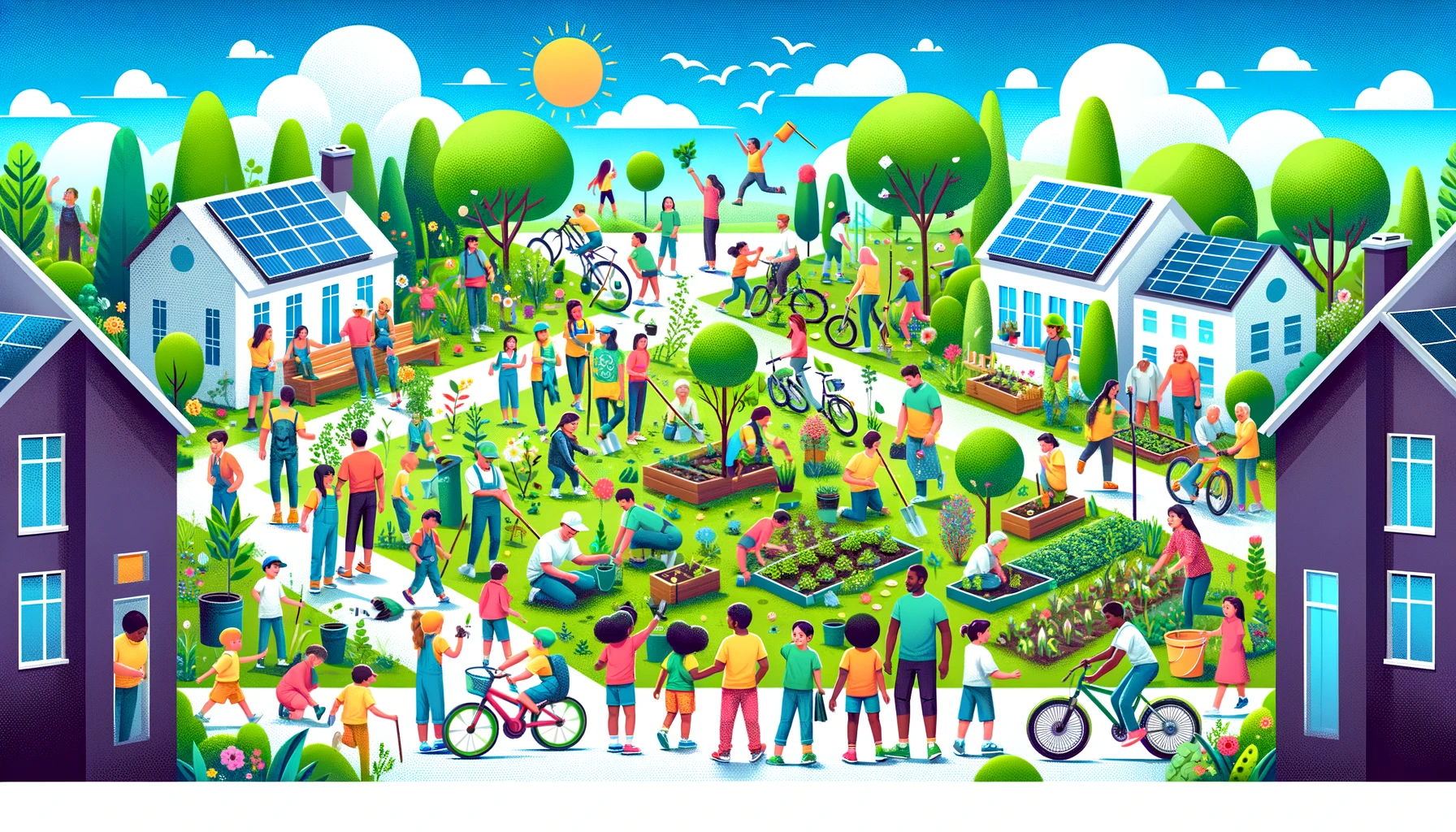
- Community Cleanups. Join or organize a local cleanup event to pick up litter in parks, beaches, or neighborhoods. Keeping your community clean helps protect wildlife and keeps pollution out of rivers and oceans.
- Tree Planting. Trees absorb carbon dioxide, so planting trees in your community is a great way to help the environment. You can join a local tree-planting event or even plant one in your own backyard.
- Start a Garden. Community gardens are a fun way to grow your own food and share it with others. Plus, plants help improve air quality!
- Support Local Farmers. Buying food from local farmers’ markets reduces the carbon footprint from transporting goods long distances. Plus, it’s often fresher and tastier!
- Advocate for Change. Get involved in environmental advocacy by joining local climate activism groups. You can write letters, sign petitions, or even speak at town meetings to encourage your community to adopt greener policies.

Spread the Word – Teach Others About Sustainability
One of the best ways to make a difference is to teach others what you’ve learned. You can help your friends and family adopt eco-friendly habits and get involved in community efforts. Here are some ideas:
- Share What You Know. Talk to your family about recycling, saving energy, and reducing waste. Maybe you can set up a recycling station at home!
- School Projects. Suggest a school project on sustainability. You could work with classmates to create posters, hold a recycling drive, or even start a school garden.
- Lead by Example. When your friends see you making eco-friendly choices, they might be inspired to do the same. You can be a leader in making the world a better place.
A Greener Future Starts with You
Remember, every small action counts when it comes to protecting our planet. By making eco-friendly choices and getting involved in your community, you can help create a greener, healthier world for everyone. So, start today – be the change you want to see, and watch how your efforts inspire others to join in!
Working together, we can make a big impact. Your actions, combined with those of your community, can help ensure a bright, sustainable future for our planet.
FAQs about Carbon Footprint
What is a carbon footprint?
A carbon footprint is the total amount of greenhouse gases, primarily carbon dioxide, that are emitted directly or indirectly by an individual, organization, event, or product. It is usually measured in tons of CO2 equivalent and reflects the impact of human activities on the environment.
How can individuals reduce their carbon footprint?
Individuals can reduce their carbon footprint by adopting more sustainable practices, such as using public transportation, reducing energy consumption, recycling, consuming less meat, and choosing energy-efficient appliances. Switching to renewable energy sources and reducing air travel are also significant steps.
Does reducing energy consumption lower your carbon footprint?
Yes, reducing energy consumption directly lowers your carbon footprint. Using less electricity, especially from non-renewable sources, reduces the amount of CO2 emissions released into the atmosphere.
What role does diet play in carbon footprint reduction?
Diet plays a significant role in carbon footprint reduction. A plant-based diet generally has a lower carbon footprint compared to a diet heavy in meat and dairy. This is because the production of animal-based foods typically requires more resources and generates more greenhouse gas emissions.
Can businesses significantly reduce their carbon footprint?
Yes, businesses can significantly reduce their carbon footprint by adopting sustainable practices such as energy efficiency, waste reduction, sustainable sourcing, and transitioning to renewable energy. Implementing carbon offset programs and promoting remote work can also help reduce their overall emissions.
What is the impact of air travel on carbon footprints?
Air travel has a substantial impact on carbon footprints due to the high amount of CO2 emissions per passenger-mile. Frequent flying can greatly increase an individual's carbon footprint, making it one of the most significant contributors to personal carbon emissions.
Are carbon offsets effective in reducing carbon footprints?
Carbon offsets can be effective in mitigating carbon footprints, but they should be used in conjunction with other direct reduction strategies. Offsets involve funding projects that reduce greenhouse gas emissions elsewhere, such as reforestation or renewable energy projects, to compensate for one's emissions.
How does using renewable energy affect your carbon footprint?
Using renewable energy significantly reduces your carbon footprint because it generates power without emitting CO2. Transitioning to sources like solar, wind, or hydroelectric power decreases reliance on fossil fuels and lowers greenhouse gas emissions.