
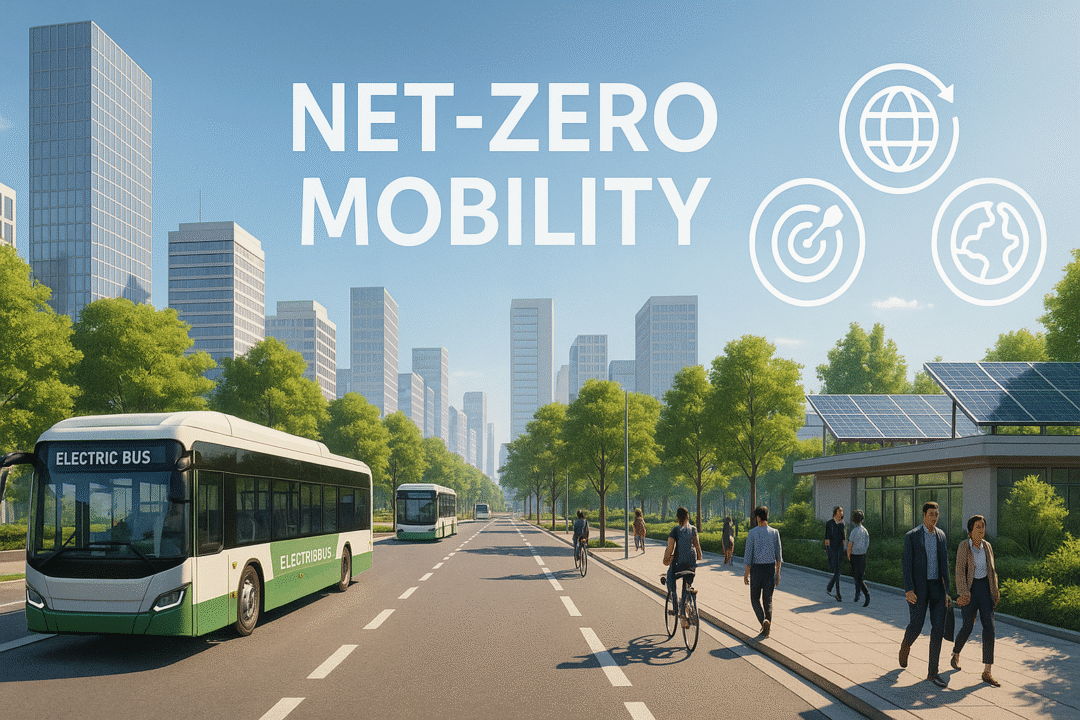
Sustainable transport refers to mobility systems that meet society’s current transport needs without compromising the ability of future generations to meet theirs. It prioritizes environmental protection, social equity, and economic efficiency – balancing the mobility of people and goods while minimizing ecological and social harm.
In the face of climate change, transforming global transport is no longer optional – it’s urgent. The transport sector contributes nearly 23% of global energy-related CO₂ emissions, largely driven by fossil fuel use in road, air, and maritime systems. Addressing this requires a decisive mobility transition toward net – zero mobility, aligning with the Paris Agreement and the UN Sustainable Development Goal 11: Sustainable cities and communities.
Climate-resilient transport systems must be inclusive, efficient, and low-carbon. The shift involves not only technological innovation but also systemic changes in behavioral patterns, policy frameworks, and infrastructure investment. Sustainable transport solutions – ranging from electric vehicles and public transit to active mobility (e.g., walking and cycling) – are critical to reducing the sector’s carbon footprint and achieving global decarbonization targets.
By integrating climate transport solutions into urban planning and prioritizing equity in access, nations can future – proof mobility networks while supporting economic development and social inclusion. The growing momentum behind green mobility marks a pivotal step in creating a more just and sustainable world.

Historical Impact of Traditional Transport

Traditional transport systems – especially those shaped during the fossil fuel era – have significantly contributed to today’s environmental crisis. The rise of the automobile revolution in the 20th century prioritized car – centric infrastructure, which led to widespread urban sprawl, increased oil consumption, and heavy traffic volume across metropolitan areas.
The expansion of highway networks accelerated car ownership and car dependency, sidelining public transit and non – motorized transport options. This shift dramatically increased vehicle emissions, resulting in sharp emission spikes, particularly in industrialized regions. Congestion became a common symptom of this growth, further compounding air pollution and fuel inefficiency.
Early urban planning mistakes – such as zoning policies that separated housing from employment centers – reinforced long commutes and inefficient land use, intensifying the ecological footprint of daily mobility. Industrial transport systems, including freight trucking and diesel – powered logistics, magnified these impacts through high – intensity fossil fuel use.
This history of transport and pollution laid the foundation for many of the sustainability challenges the world faces today. It has underscored the need to transition away from carbon-intensive systems toward more integrated, low-emission mobility frameworks.
Principles and Modal Types of Sustainable Transport
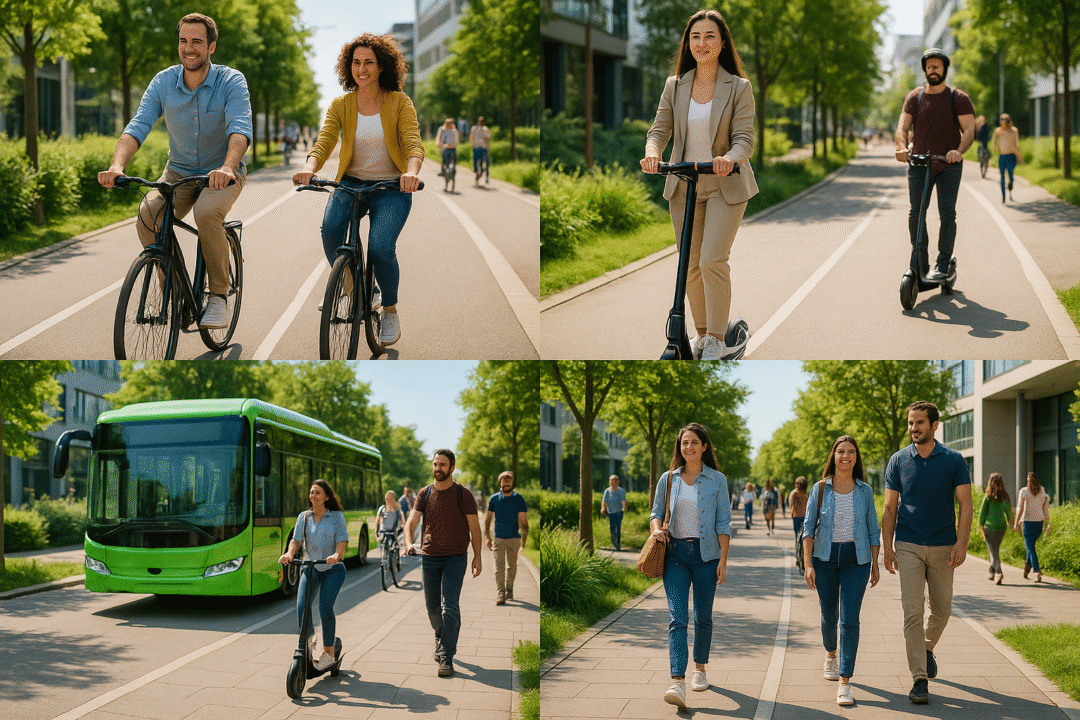
Sustainable transport is guided by three core principles: low environmental impact, universal accessibility, and efficient mobility. These values support the transition to low – carbon transport systems that serve both people and the planet.
The most effective types of sustainable transport prioritize low emissions and resource efficiency. Key modal options include:
- Walking and cycling: Zero – emission modes that promote health and require strategic pedestrian planning and dedicated cycling infrastructure.
- Public transport: Buses, subways, and light rail systems reduce per capita emissions and alleviate traffic congestion when efficiently managed and widely accessible.
- Electric vehicles (EVs): When powered by clean energy, EVs offer a scalable path to decarbonizing road transport, especially in private and commercial use.
- E – bikes and micro transit: These shared mobility solutions fill first – mile/last-mile gaps and support a broader modal shift from single-occupancy vehicles.
- Carpooling and ride – sharing: Reduce total vehicle kilometers traveled (VKT) while optimizing road space and lowering fuel use.
The core features of green mobility include clean energy usage, infrastructure for active transport, affordability, and inclusive design. Successful sustainable transport systems are those that enable people to choose low – emission modes without sacrificing convenience, safety, or accessibility.
Technological Innovations in Green Mobility
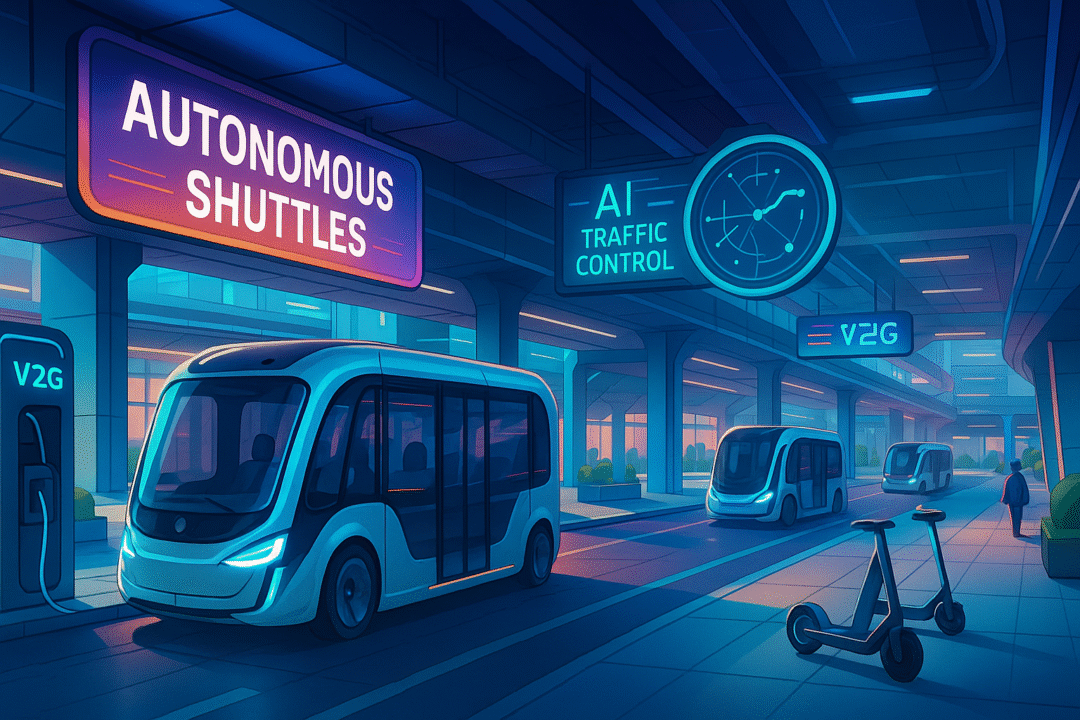
Green transport technologies are transforming the future of mobility through advancements in AI, IoT, electrification, and digital infrastructure. These innovations support smart transit systems that are cleaner, more efficient, and responsive to real – time demand.
Key breakthroughs include:
- Electric mobility innovation: Modern EVs benefit from higher energy density in batteries, faster charging times, and expanding charging infrastructure. Vehicle-to-grid (V2G) technology allows EVs to store and return energy to the grid, enhancing energy resilience.
- Mobility – as – a – Service (MaaS): Combines different transport modes into a single digital platform, enabling users to plan, book, and pay for multimodal trips efficiently.
- Autonomous transport: Self-driving vehicles – guided by AI and digital twins – can reduce emissions through optimized routing and consistent energy-efficient driving patterns.
- Connected vehicles and IoT: GPS tracking, real-time route planning, and fleet management systems help reduce idle time, improve logistics, and cut emissions in commercial transport.
- Smart roads and infrastructure: Integrated with sensors and data networks, smart roads communicate with vehicles to improve safety, efficiency, and energy use, especially in urban smart city environments.
These smart transit systems form the backbone of sustainable urban mobility, supporting modal integration, reducing traffic congestion, and lowering the sector’s carbon footprint. As cities adopt digital tools and electrified fleets, green mobility innovations will become essential to meeting climate goals and building resilient transport ecosystems.
Behavior, Psychology, and Public Perception
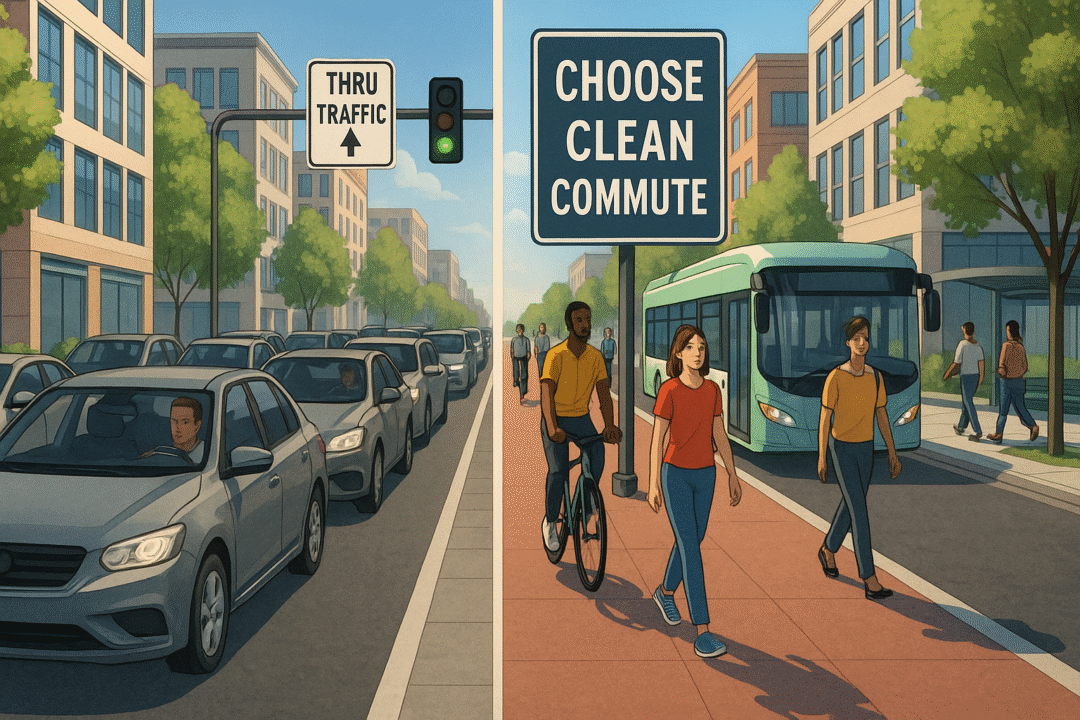
Behavioral patterns and public perception play a pivotal role in the success or failure of sustainable transport systems. While green technologies and infrastructure may be available, cultural barriers, lifestyle inertia, and social resistance often slow adoption.
The psychology of sustainable commuting reveals that many people resist change due to convenience bias, commuter identity, and fear of perceived inconvenience. Established transportation habits – such as daily car use – form entrenched behavior loops that are difficult to break without targeted interventions.
In both urban and rural contexts, attitudes toward modal shift vary. Urban populations may have better access to public and active transport but still struggle with modal inertia due to status perceptions or inconsistent service. In contrast, rural communities often lack viable alternatives, reinforcing car dependency.
Public opinion is also shaped by social norms. When communities normalize driving and stigmatize alternatives like cycling or bus use, it reinforces social resistance to sustainable options. Overcoming this requires not only infrastructure but also strategies rooted in the psychology of change – including incentives, education, and visible success stories.
Understanding these behavioral drivers is essential to promoting behavior and green transport alignment. Policies must address not just practical barriers, but also emotional and cultural dimensions that shape how people perceive and engage with sustainable mobility options.
Sustainable Transport in Urban, Rural & Industrial Sectors
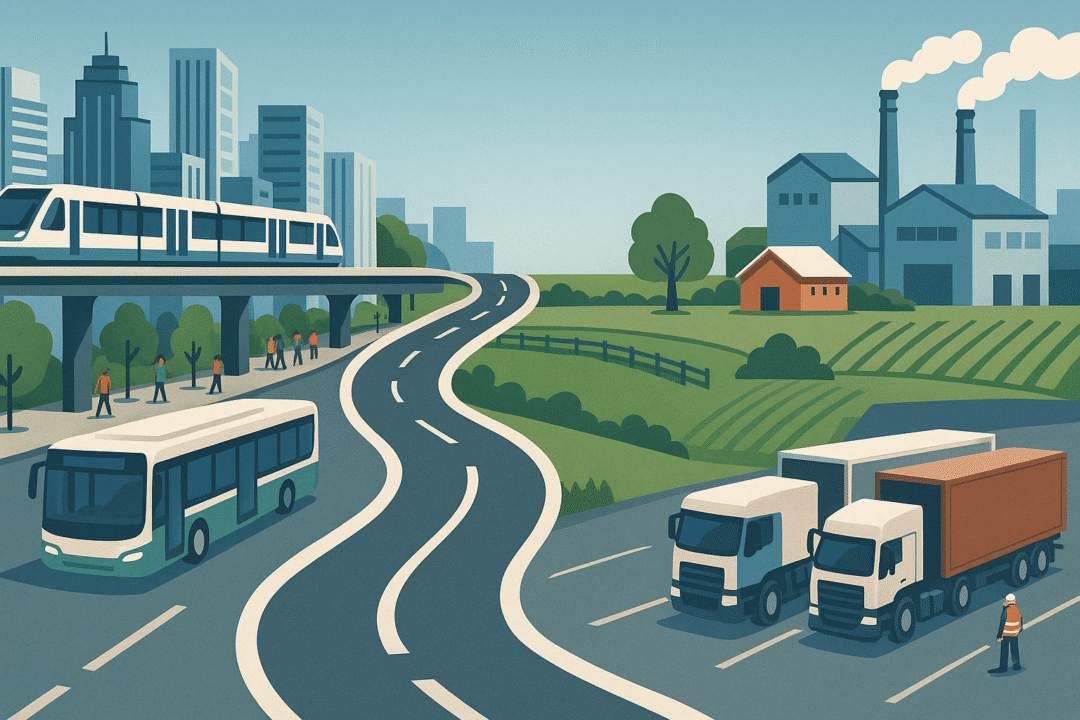
Sustainable transport strategies must be tailored to the specific needs of urban, rural, and industrial sectors, as each presents unique challenges and opportunities for decarbonization and efficiency.
Urban Mobility
In cities, the focus is on integration, congestion reduction, and emission control. Solutions include:
- Metro systems, bus rapid transit (BRT), and cycling infrastructure to promote high – capacity, low – emission commuting.
- Congestion pricing to discourage private vehicle use in high – traffic zones.
- Mobility-as-a-Service (MaaS) platforms to streamline multimodal journeys.
- Integration with smart grids for efficient fleet electrification and vehicle charging.
Rural Transport
Rural transit sustainability faces different barriers, including low population density and transit deserts:
- Investments in rural bus access, demand – responsive transport (DRT), and shared mobility services can address gaps.
- Strengthening rural infrastructure is critical for connecting remote areas to services and economic centers.
Industrial & Freight Sectors
The industrial sector requires innovation in green freight systems to reduce freight emissions:
- Fleet electrification of delivery vans and trucks, especially for last-mile delivery, helps lower urban air pollution.
- Modal shifts from road to rail or inland waterways reduce energy use for long – distance logistics.
- Logistics optimization through real-time tracking and route planning improves fuel efficiency across supply chains.
Sectoral strategies in transport must account for spatial, economic, and operational differences. While urban areas benefit from integrated mass transit, rural regions need accessible, flexible solutions. Meanwhile, decarbonizing freight is essential to cutting industrial emissions and building climate – resilient economies.
Equity, Accessibility & the Global South

Equitable green transport is essential for achieving sustainable development – especially in the Global South, where income disparities, infrastructure gaps, and rapid urbanization intersect to create systemic mobility challenges.
In many developing countries, transport systems are shaped by informal transit networks, including informal buses, motorcycle taxis, and minibuses. These modes fill critical service gaps but often lack regulation, safety standards, and environmental oversight. Despite their role, low income mobility remains constrained by affordability, safety, and mobility poverty – where individuals are effectively excluded from economic and social opportunities due to poor transport access.
Key barriers to inclusive transport include:
- Gender mobility gaps, where women face greater safety risks and limited access to public modes.
- Poor slum connectivity, with underdeveloped or inaccessible infrastructure in densely populated informal settlements.
- Limited infrastructure funding, where national budgets and transit policies often neglect marginalized regions.
Transport equity strategies must focus on affordability, accessibility, and context – specific solutions. Case studies from Africa and Asia show that improving rural – urban transport corridors, subsidizing public fares, and integrating informal transit into national frameworks can significantly increase access and resilience.
International organizations and development banks play a critical role by funding large – scale infrastructure projects and promoting policies that support equitable access. Achieving sustainable mobility in the Global South depends on embedding social justice into every layer of transport planning – from design to delivery.
Case Studies from Around the World
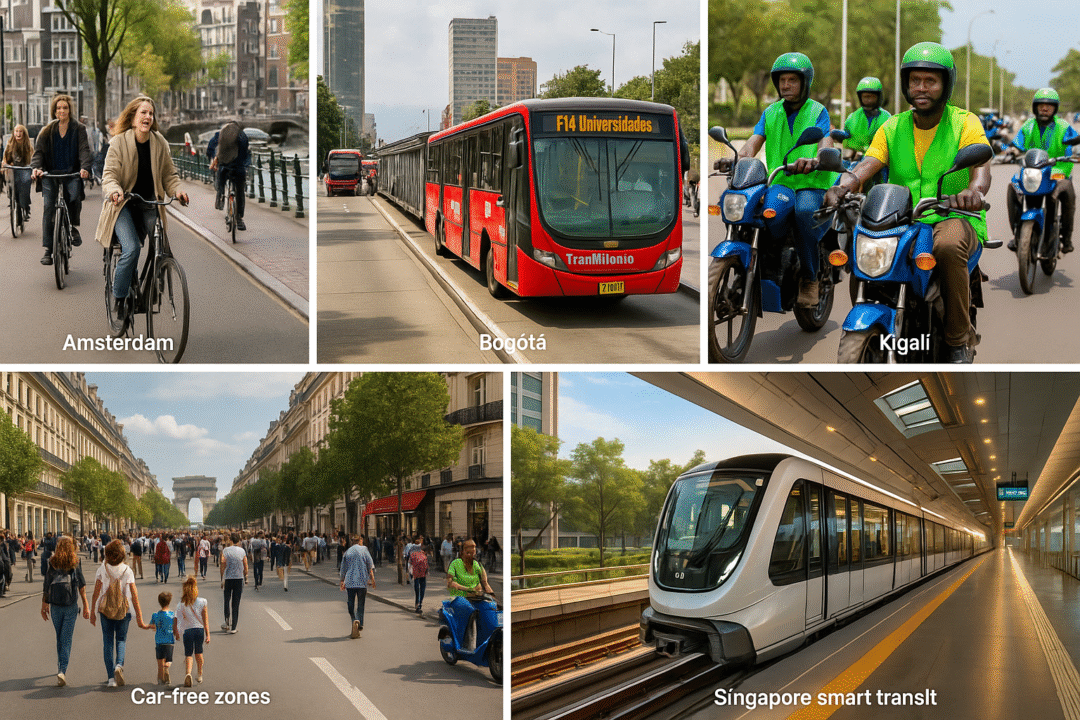
Global case studies illustrate how tailored strategies can make sustainable transport systems both effective and equitable, regardless of income level or geography. These success stories highlight diverse approaches to green mobility, from high – tech interventions to grassroots reforms.
🇳🇱 Netherlands – Urban Cycling Leadership
The Netherlands exemplifies urban cycling integration. Over 27% of trips nationwide are made by bicycle due to extensive cycling lanes, secure parking, and street designs prioritizing non – motorized transport. This long – term commitment reduces emissions, improves public health, and fosters livable cities.
🇨🇴 Bogotá, Colombia – Bus Rapid Transit (BRT)
Bogotá’s TransMilenio BRT system revolutionized affordable urban mobility by offering rapid, high – capacity service on dedicated lanes. Despite limited budgets, its success stems from low construction costs, efficient smart ticketing, and fast boarding systems, making it a model for other developing cities.
🇷🇼 Kigali, Rwanda – Motorcycle Mobility
Kigali has embraced low – cost, high – access mobility through its fleet of motorcycle taxis, which dominate the city’s informal transport. The push toward electric motorcycles reflects Rwanda’s broader commitment to clean transport, reducing air pollution while maintaining affordability and accessibility.
🇸🇬 Singapore – Congestion Charges & Modal Integration
Singapore’s congestion pricing system – one of the world’s most advanced – has effectively reduced traffic through dynamic tolling and strong public transport alternatives. Its success is amplified by seamless integration of smart ticketing, rail, and bus networks, proving that pricing incentives work when paired with convenience.
🇫🇷 Paris, France – Car – Free Transformation
Paris is reclaiming its streets through aggressive policies including car bans in central zones, street reclamation for pedestrians, and expanded cycling infrastructure. These efforts, part of the “15-minute city” vision, show how dense urban centers can prioritize green mobility without sacrificing accessibility.
These sustainable transport success stories demonstrate that there is no single path to green mobility. What matters is context – sensitive planning, public buy-in, and a clear vision that aligns transport with broader social and environmental goals.
Lifecycle Impact & Environmental Cost
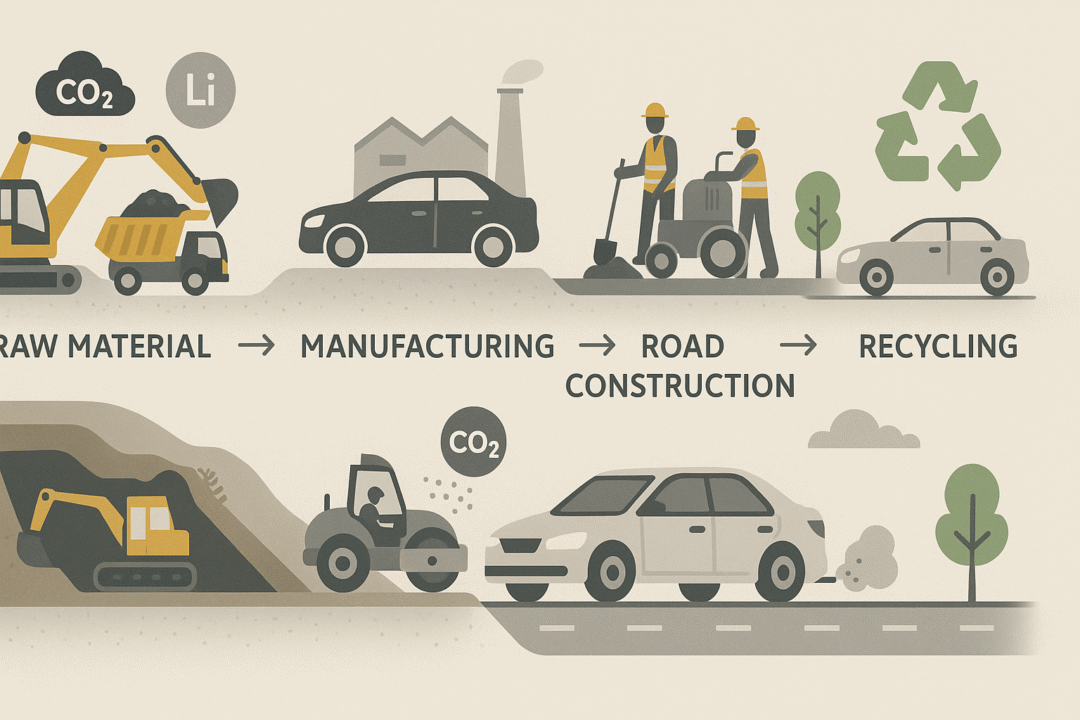
The full environmental cost of transport systems extends far beyond tailpipe emissions. A comprehensive view requires evaluating the lifecycle impact – from raw material extraction to vehicle disposal and infrastructure development.
Vehicle Production & Materials
Lifecycle assessments (LCAs) show that the production phase, especially for electric vehicles (EVs), carries significant upstream emissions. Lithium, cobalt, and nickel mining for EV batteries leads to resource extraction impacts, including habitat loss, water stress, and material scarcity. The manufacture of conventional vehicles also carries a heavy embodied carbon footprint due to steel, plastics, and aluminum processing.
Infrastructure Emissions
Road construction and maintenance generate substantial infrastructure CO₂, particularly from concrete and asphalt. These emissions are often overlooked in national inventories, yet they contribute heavily to the climate impact of both urban and intercity mobility.
Operational Phase
EVs outperform internal combustion engines in long – term emissions, especially when powered by renewable energy. However, factors like tire pollution, brake dust, and electricity source matter. Even zero – tailpipe – emission vehicles contribute to particulate pollution and road wear.
End of Life & Recycling
The final phase includes vehicle lifespan, reuse, and EV battery disposal. Without effective recycling systems, old batteries risk becoming hazardous waste. Efforts to recover materials and extend battery life through second – life applications are critical to lowering overall impact.
The lifecycle impact of EVs and other transport modes must be factored into sustainability planning. Policymakers and manufacturers must reduce embodied emissions, invest in circular economy models, and improve infrastructure design to ensure transport decarbonization is both real and lasting.
Stakeholder Ecosystem: Citizens, Corporates, and Governments
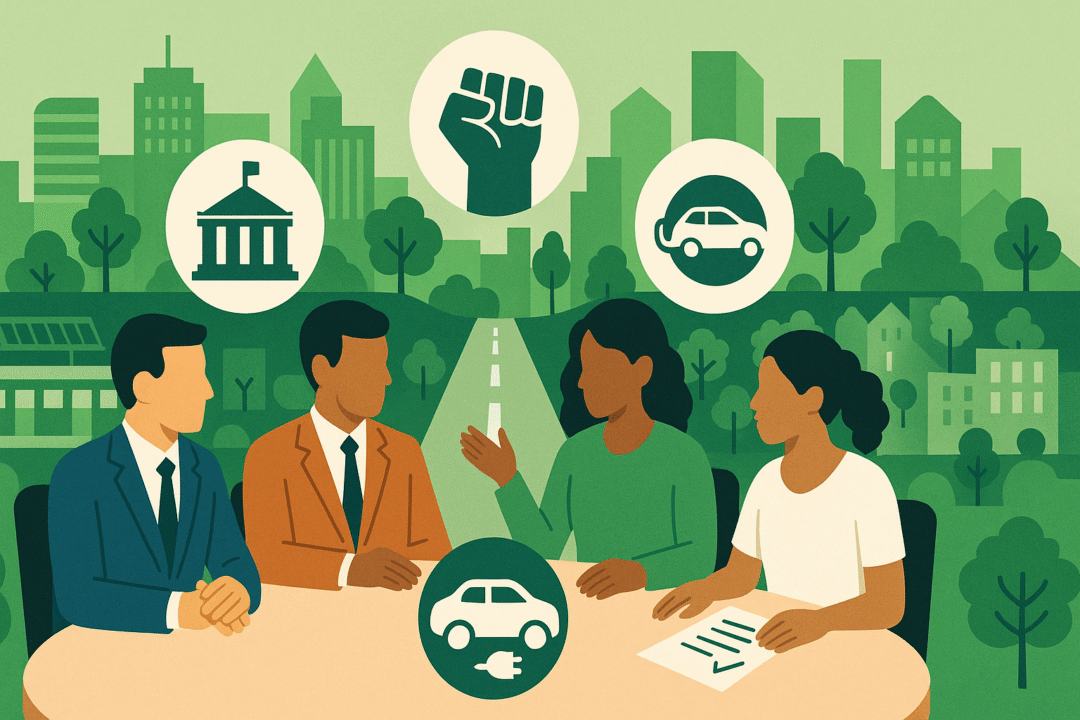
Sustainable mobility depends on a coordinated effort between citizens, corporations, and governments, each playing a distinct and vital role in driving change across the transport sector.
Governments: Policy & Public Infrastructure
City councils, national ministries, and transit agencies shape the legal and physical framework for green mobility. Their responsibilities include:
- Funding infrastructure through government subsidies and international aid.
- Enforcing clean fleet mandates and emissions regulations.
- Launching public – private partnerships (PPPs) to scale solutions like electric buses, charging stations, and smart transit systems.
- Implementing carbon credits, tax incentives, and congestion pricing to guide behavior and investment.
Corporations: Innovation & Investment
Automakers, logistics companies, and shared mobility platforms are essential to accelerating adoption of low – carbon transport:
- Developing clean technologies like EVs, hydrogen trucks, and fleet electrification.
- Adopting internal sustainability targets and transparent carbon reporting.
- Participating in corporate lobbying – either to delay or advance green policies.
- Supporting NGO – led initiatives and pilot programs to test scalable models.
Citizens: Behavior & Civic Engagement
Individual action matters – especially in urban settings where modal choice influences system-wide emissions:
- Choosing public or active transport reduces demand for high-carbon options.
- Engaging in civic activism, supporting local planning processes, and demanding accountability from governments and corporates.
- Supporting transport equity by advocating for systems that include marginalized communities.
NGOs & Activists: Watchdogs & Innovators
NGOs and grassroots activists play a watchdog role and push for systemic change through:
- Policy advocacy and data transparency.
- Piloting community-led solutions such as informal transit mapping or cycling initiatives.
- Raising awareness on the climate impacts of transport through campaigns and research.
The stakeholders in sustainable mobility form a dynamic ecosystem. Real progress requires alignment across policy, industry, and society – where corporate responsibility, public sector leadership, and civic engagement converge to build transport systems that are green, inclusive, and future-ready.
Government Policies and International Frameworks
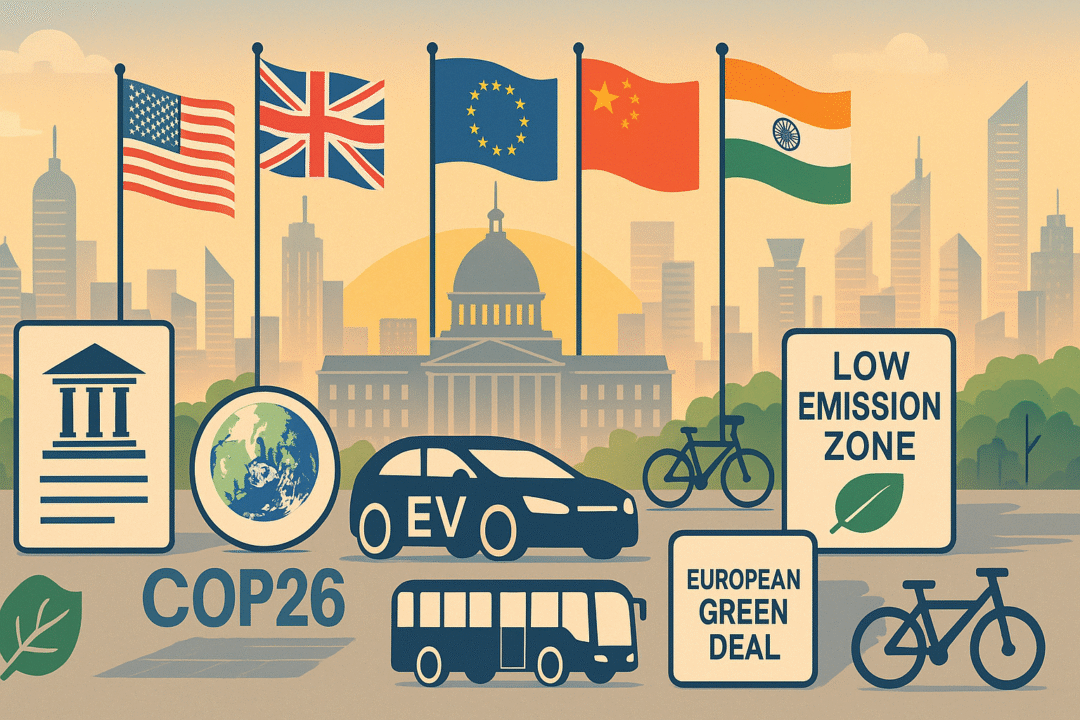
Government policies and international agreements are the driving forces behind the global shift toward sustainable transport. From local regulations to global climate frameworks, these policies set standards, allocate funding, and shape behavior across the mobility sector.
Global Agreements & Frameworks
- COP26 and Paris Agreement commitments require countries to implement transport – sector decarbonization strategies aligned with their net-zero commitments.
- The EU Green Deal includes binding targets to cut transport emissions by 90% by 2050, supported by investments in rail, EV charging, and modal shift initiatives.
- International instruments like emissions trading schemes (ETS) are increasingly being expanded to include aviation and shipping sectors.
National & Local Regulations
- Clean Air Acts in countries like the UK and U.S. enforce fuel efficiency standards, regulate vehicle emissions, and support the rollout of electric fleets.
- Infrastructure bills allocate funding for public transit, cycling networks, and EV infrastructure – particularly in the U.S. and emerging economies with urban expansion.
- Many cities have adopted Low-Emission Zones (LEZs) and urban zoning reforms, restricting high-pollution vehicles and incentivizing sustainable land-use patterns.
Policy Mechanisms & Enforcement
Governments use a mix of:
- Eco incentives such as EV subsidies, tax credits, and scrappage schemes.
- Policy enforcement tools like emissions testing, clean fleet mandates, and road pricing.
- Public – private partnerships to expand transport services and technology deployment at scale.
These sustainable transport policies – whether driven by international agreements or local action – create the regulatory backbone needed to transition mobility systems toward climate neutrality, equity, and resilience.
Metrics, Emissions Tracking & Progress Indicators
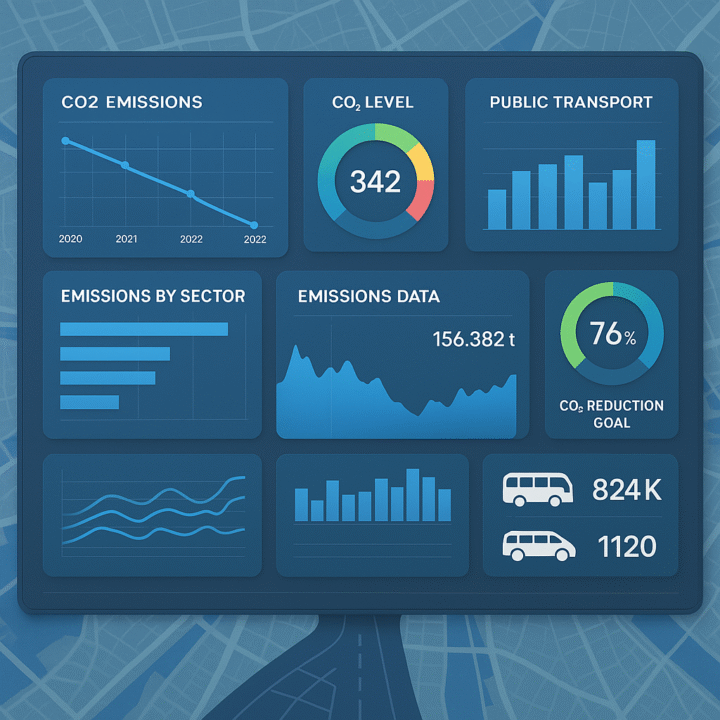
Accurate measurement is the foundation of sustainable transport progress. To effectively reduce emissions and improve system efficiency, cities, companies, and countries must rely on transport CO₂ measurement tools, benchmarks, and standardized frameworks.
Key Tools & Systems
- GHG Protocols: International standards for calculating and reporting transport – related greenhouse gas (GHG) emissions, including Scope 1 (direct), Scope 2 (indirect from energy), and Scope 3 (supply chain).
- Carbon calculators: Used by transit agencies, logistics firms, and governments to quantify emissions from fleets, infrastructure, and travel patterns.
- Emissions dashboards: Real-time and cumulative CO2 tracking tools that visualize progress toward decarbonization targets.
- ESG reporting platforms: Corporations disclose transport-related climate risks and performance under environmental, social, and governance (ESG) standards.
Transport – Specific Indicators
Key transport KPIs (Key Performance Indicators) include:
- Modal share of low – emission options (e.g., public transit, cycling).
- Fleet electrification rate across public and private sectors.
- Average vehicle emissions (gCO₂/km).
- Passenger kilometers traveled (PKT) by mode.
- Fuel economy and energy source distribution.
Benchmarking & Decarbonization Metrics
Setting transport benchmarks ensures comparability and accountability:
- Cities may track vehicle-kilometer reduction targets, public transport ridership growth, or carbon intensity per trip.
- National and local governments often align their metrics with broader Paris Agreement and net-zero timelines.
Modal Data Integration
Capturing modal data – from ride-hailing trips to freight tonnage – allows policymakers to identify high-impact areas for intervention, target subsidies effectively, and design evidence-based transport reforms.
To track sustainable transport progress, transparent, standardized, and granular data is essential. When coupled with strong policy frameworks and public reporting, these green transport metrics enable effective climate action, performance monitoring, and long – term accountability in the mobility sector.
The Road Ahead: Future Trends and Challenges
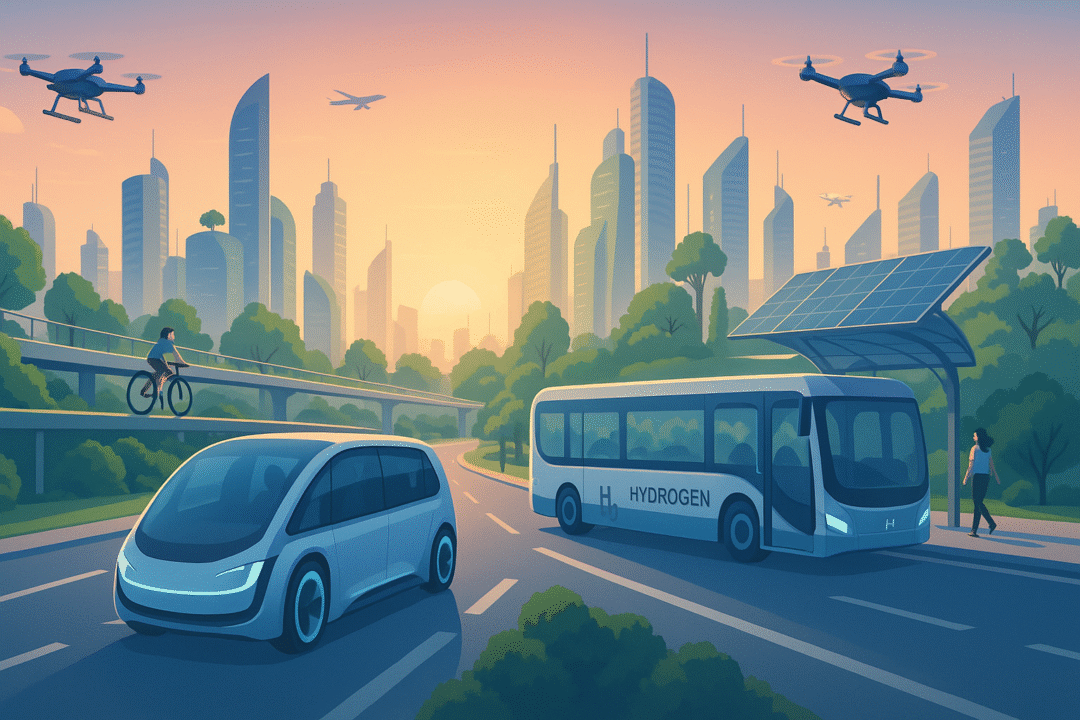
The future of sustainable transport will be defined by disruptive technologies, behavioral evolution, and system-level innovation. As climate pressures intensify, the next decade will demand bold moves in both infrastructure and mindset to accelerate the global mobility transition.
Emerging Green Mobility Trends
- Autonomous vehicles (AVs) are set to reshape commuting and logistics. Combined with AI routing and real-time optimization, AVs could reduce congestion and improve fuel efficiency – if aligned with shared and electric models.
- Hydrogen fuel cells will likely power long-haul and heavy-duty sectors where battery-electric solutions remain limited, such as freight, aviation, and maritime.
- Smart mobility systems – integrating AI, IoT, and real – time data – will enable decentralized transit, where users dynamically access services like e-bikes, shuttles, or ride-shares through unified apps.
Behavioral and Structural Shifts
- Behavioral economics will play a larger role in influencing modal choice through incentives, nudges, and awareness campaigns.
- The adoption of remote work, changing urban land use, and climate – conscious consumer behavior will redefine what daily commuting looks like.
- Investment in disruptive tech – like hyperloops, aerial drones, or dynamic curb management – may redefine both passenger and cargo flows in high-density corridors.
Key Challenges Ahead
- Infrastructure lag: Many cities still lack the foundational elements – like charging networks and multimodal hubs – needed to support emerging technologies.
- Equity risks: If not regulated, new tech can widen accessibility gaps, favoring affluent users while bypassing underserved communities.
- Regulatory adaptation: Governments must rapidly evolve standards and frameworks to address mobility futures while safeguarding public interest and environmental integrity.
The future of transport will be driven by green mobility trends that merge digital innovation with sustainability. Navigating this transformation requires strategic foresight, inclusive design, and a global commitment to making mobility not just smarter – but cleaner, fairer, and more resilient.
FAQ’s
What is sustainable transport?
Sustainable transport refers to systems that minimize environmental impact while providing accessible, efficient, and equitable mobility for current and future generations.
Why is sustainable transport important?
It reduces greenhouse gas emissions, supports public health, improves urban efficiency, and ensures equitable access to transportation services worldwide.
What are examples of sustainable transport modes?
Examples include walking, cycling, public transportation, electric vehicles, shared mobility, and intermodal systems combining multiple eco-friendly modes.
How can governments support sustainable transport?
Through policies like EV subsidies, emissions regulations, public transit investment, congestion pricing, and integration with global climate frameworks like the Paris Agreement.
What are the future trends in sustainable transport?
Key trends include autonomous mobility, AI-driven route optimization, hydrogen fuel adoption, MaaS platforms, and the 15-minute city model in urban planning.
References and Sources
Wikipedia – Sustainable Transport
UNDP Climate Promise – What is Sustainable Transport?