
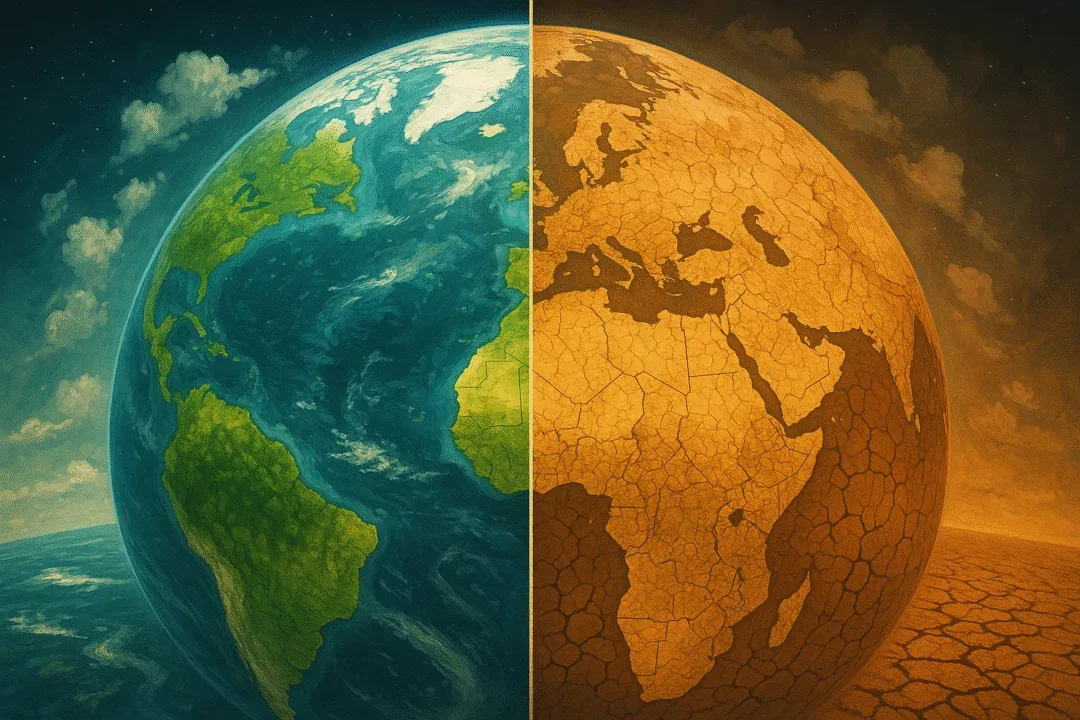
Climate change refers to long-term shifts in temperatures and weather patterns, primarily caused by human activities – especially the burning of fossil fuels, which increases greenhouse gas concentrations in the atmosphere. According to the IPCC (Intergovernmental Panel on Climate Change), global warming, a core element of climate change, has already resulted in significant disruptions to ecosystems, weather systems, and the carbon cycle.
Sustainability is the principle of meeting present needs without compromising the ability of future generations to meet theirs. Defined clearly in the Brundtland Report (1987), this concept emphasizes balance among economic development, environmental preservation, and social equity. The UNFCCC (United Nations Framework Convention on Climate Change) incorporates sustainability into its long-term policy frameworks, integrating it with goals for climate resilience and planetary health.
While climate change is a phenomenon describing the physical changes to earth systems, sustainability is a guiding framework for responding to those changes through long-term planning, resource efficiency, and environmental ethics. Historically, the two concepts have become increasingly interconnected as the global community has recognized that unchecked climate change undermines any prospects for sustainable development.
Understanding both terms in tandem provides a foundation for addressing global challenges. Sustainable development, as explained by international frameworks, depends on mitigating climate risks, preserving ecosystems, and advancing global justice – ensuring that both people and the planet can thrive.

Causes of Climate Change
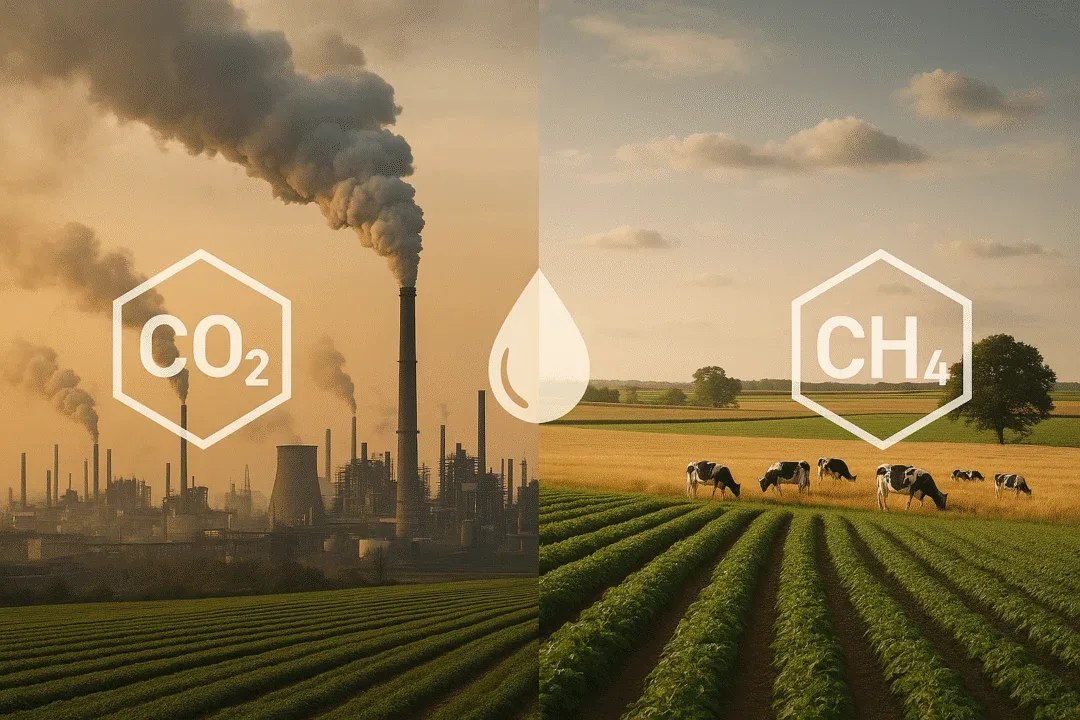
The primary drivers of climate change are anthropogenic – human-caused – activities that significantly increase greenhouse gas concentrations in the atmosphere. These include emissions of carbon dioxide (CO₂) from the burning of fossil fuels like coal, oil, and natural gas, as well as methane (CH₄) released from agriculture and waste systems.
Human Causes of Global Warming
The dominant source of carbon emissions is the energy sector, which accounts for over 70% of global greenhouse gas emissions. This includes electricity generation, industrial combustion, and fuel consumption in the transport sector. The burning of fossil fuels in power plants, vehicles, and factories not only releases CO₂ but also contributes to ocean warming, which disrupts climate-regulating currents.
Agriculture contributes primarily through methane emissions from livestock digestion and nitrous oxide from fertilized soils. Additionally, land-use changes such as deforestation reduce the Earth’s ability to absorb CO₂ through photosynthesis, further accelerating atmospheric accumulation.
Natural vs. Anthropogenic Factors
Natural processes – such as volcanic activity, solar radiation cycles, and ocean currents – do influence climate variability. However, these natural causes account for only a fraction of observed warming. According to the IPCC, the rate and scale of recent global warming cannot be explained without factoring in human influence.
Industrialization, which began in the 18th century, marked a sharp increase in the combustion of fossil fuels, intensifying the release of greenhouse gases. Since then, atmospheric CO₂ levels have risen from approximately 280 parts per million (ppm) to over 420 ppm in 2025, a historic peak.
Key Climate Change Drivers
Driver | Source | Gases Involved |
|---|---|---|
Energy production | Coal, oil, gas combustion | CO₂ |
Agriculture | Livestock, fertilizers | CH₄, N₂O |
Transportation | Gasoline, diesel use | CO₂ |
Deforestation | Land clearing, logging | Reduced CO₂ absorption |
Industrial processes | Cement, steel, chemicals | CO₂, fluorinated gases |
The overwhelming scientific consensus confirms that human causes of global warming – including energy use, agriculture, and industrialization – are the dominant climate change drivers, far outweighing natural influences. Addressing these sources is essential to reversing rising greenhouse gas concentrations and stabilizing global temperatures.
Effects of Climate Change
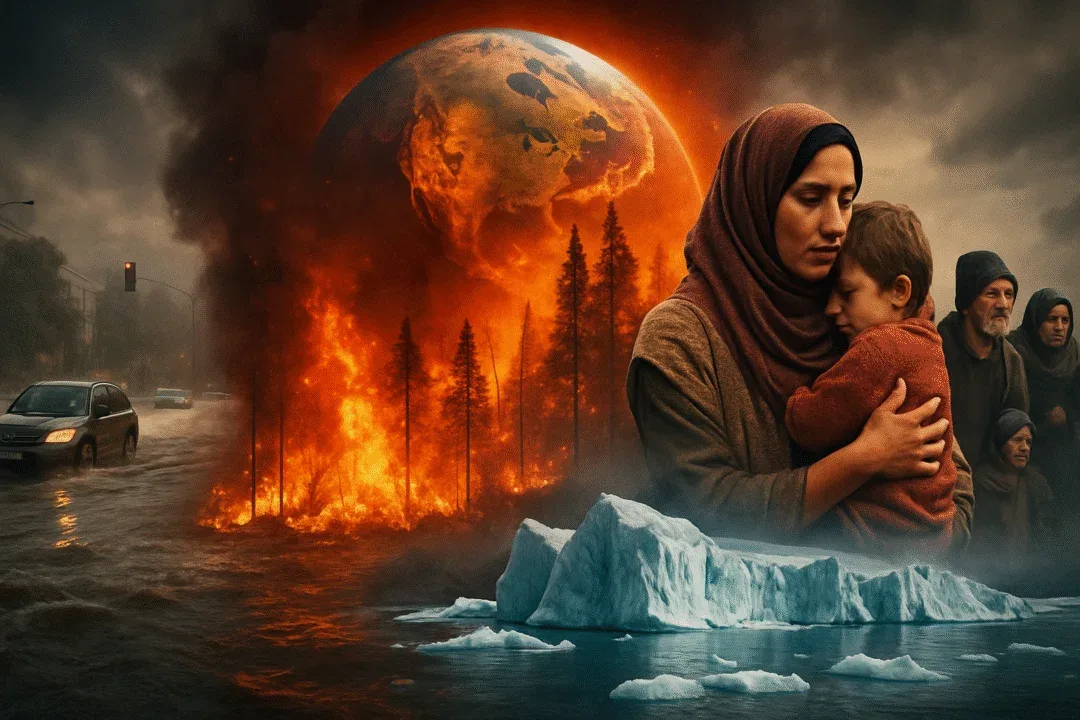
Climate change impacts are widespread, intensifying environmental degradation, threatening economic systems, and disrupting societal stability across the globe. These effects, driven by rising global temperatures and altered earth systems, are already being observed and are projected to worsen without immediate intervention.
Environmental Risks of Climate Change
One of the most visible environmental effects of global warming is sea-level rise, primarily caused by glacial melt and thermal expansion of warming oceans. Since 1900, global sea levels have risen over 20 cm, threatening low-lying coastal areas and small island nations.
Biodiversity loss is accelerating as species face habitat disruption, ocean acidification, and altered migration patterns. Coral reefs, which support 25% of marine life, are experiencing mass bleaching due to warming waters. Similarly, Arctic and Antarctic ecosystems are destabilizing due to rapid polar ice melt.
Climate change also contributes to desertification, reducing arable land and compromising ecosystems dependent on stable rainfall patterns.
Impacts on Food Systems and Economy
Crop failures are becoming more frequent due to prolonged droughts, erratic rainfall, and extreme heat. These shifts undermine food security, particularly in regions dependent on rain-fed agriculture. For example, yields of staple crops like wheat and maize have declined in parts of Africa and South Asia due to rising temperatures.
The economic effects extend to damaged infrastructure from extreme weather events – such as hurricanes, floods, and wildfires – which are increasing in frequency and severity. In 2024 alone, weather-related disasters caused over $300 billion in global economic losses (Source: Munich Re).
Insurance, agriculture, fisheries, tourism, and energy sectors are particularly vulnerable. Disrupted supply chains and resource scarcity further destabilize global markets.
Societal and Human Impacts
The social consequences of climate change include rising numbers of climate refugees – people forced to migrate due to uninhabitable environments. The World Bank estimates that by 2050, over 216 million people could be internally displaced due to climate-related factors such as flooding, drought, and sea-level encroachment.
Increased health risks – from heatwaves, vector-borne diseases, and malnutrition – disproportionately affect vulnerable populations, deepening existing inequalities.
Key Climate Change Impacts
Impact Type | Example Effects | Affected Entities |
|---|---|---|
Environmental | Glacial melt, ocean acidification | Sea levels, biodiversity, ecosystems |
Economic | Crop failure, infrastructure damage | Food systems, supply chains, industries |
Societal | Climate-induced migration, health crises | Populations, public health, governance |
The effects of global warming are multifaceted – spanning environmental degradation, economic disruption, and social instability. These climate change impacts underscore the urgent need for coordinated global action to mitigate risks and build resilient systems for the future.
Sustainability as a Climate Solution

Sustainability provides a comprehensive framework for addressing the root causes of climate change by promoting low-carbon, resource-efficient, and regenerative systems. It aligns environmental protection with economic viability and social equity, offering long-term, scalable solutions to reduce emissions and build climate resilience.
How Sustainability Helps Counter Climate Change
At its core, sustainability reduces dependence on fossil fuels, minimizes waste, and encourages responsible consumption and production. By shifting towards carbon-neutral practices, societies can significantly lower greenhouse gas emissions. For example, adopting green energy – including solar, wind, hydro, and geothermal – replaces carbon-intensive energy sources and supports decarbonization.
Sustainable development goals (SDGs), particularly SDG 7 (Affordable and Clean Energy), SDG 11 (Sustainable Cities), and SDG 13 (Climate Action), integrate climate strategies into global development agendas. These goals promote green infrastructure, eco-efficiency, and clean tech innovation across industries and governments.
Sustainable Solutions to Climate Change
Solution Type | Strategy | Climate Benefit |
|---|---|---|
Renewable Energy | Wind, solar, hydro, geothermal | Reduces CO₂ from power generation |
Circular Economy | Reuse, recycling, material recovery | Cuts waste and conserves natural resources |
Green Infrastructure | Urban greening, efficient buildings | Enhances carbon sequestration, reduces heat |
Low-Carbon Living | Public transport, plant-based diets | Shrinks individual and community footprints |
Lifecycle Analysis | Emission audits across supply chains | Identifies reduction opportunities |
The circular economy model is especially critical. Unlike the traditional linear system of “take-make-dispose,” it emphasizes regenerative systems that keep materials in use and reduce emissions associated with raw material extraction and waste disposal.
Carbon neutrality – achieving net-zero greenhouse gas emissions – requires integrating lifecycle analysis and resource efficiency into manufacturing, logistics, and urban planning. Countries like Sweden and Costa Rica are advancing this through national strategies combining clean technologies and policy incentives.
Case Examples
- Germany sources over 50% of its electricity from renewables, reducing its reliance on coal and gas.
- The Netherlands incorporates circular design principles in construction, drastically reducing embodied carbon in new buildings.
- Singapore uses vertical farming and water recycling systems to enhance urban sustainability and climate adaptation.
Sustainability helps counter climate change by embedding carbon-neutral practices, promoting clean energy, and encouraging a shift to regenerative, low-impact systems. These sustainable solutions to climate change are not just preventive – they are transformative, redefining how societies grow while preserving the planet for future generations.
Industry Responsibility and Green Innovation
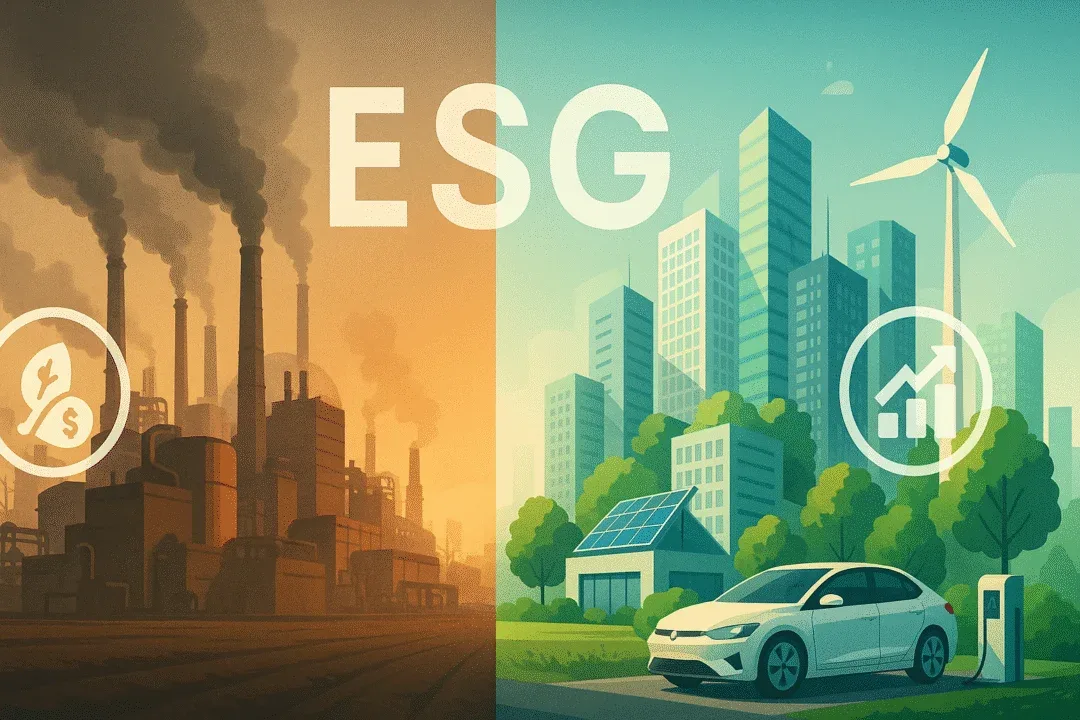
Industries play a pivotal role in both driving climate change and delivering scalable solutions through green innovation and corporate responsibility. While many sectors are transitioning toward low-carbon operations, others continue to resist meaningful change, often citing cost, complexity, or competitiveness as barriers.
Corporate Responsibility in Climate Change
High-emission sectors – such as energy, transportation, construction, and fashion – are under increasing pressure to reduce their carbon footprints and align with Environmental, Social, and Governance (ESG) standards. These standards guide companies in measuring and improving their sustainability performance, including life cycle emissions, climate risk disclosures, and human rights due diligence.
Leading corporations are integrating climate reporting into their financial statements, driven by investor demands and regulations like the EU’s Corporate Sustainability Reporting Directive (CSRD). This shift promotes transparency and enables stakeholders to hold businesses accountable for their climate impact.
However, greenwashing – the practice of misleading consumers about environmental efforts – remains a significant issue. Brands may highlight eco-friendly initiatives while maintaining high-emission practices in supply chains or operations, undermining trust and real progress.
Green Technology Innovation by Sector
Sector | Key Innovations | Emission Reduction Focus |
|---|---|---|
Technology | Data centers powered by renewables | Energy efficiency, cooling systems |
Fashion | Recycled materials, on-demand production | Waste reduction, circular textiles |
Construction | Smart buildings, low-carbon concrete | Operational and embodied carbon |
Manufacturing | Electrification, low-carbon supply chains | Process emissions, logistics |
Finance | Green finance, ESG investment tools | Capital reallocation to clean energy projects |
Clean Energy and Industrial Transformation
The clean energy sector is at the core of industrial decarbonization. Heavy industries such as steel and cement are testing hydrogen-based processes and carbon capture technologies. Innovation hubs in countries like Germany, Japan, and the U.S. are piloting scalable solutions in industrial parks and research facilities.
Green finance is accelerating this transformation. Global sustainable investment topped \$30 trillion in 2024, funding startups and infrastructure focused on renewables, electrified transport, and carbon-neutral technologies.
Barriers and Resistance
Despite progress, many industries resist climate action due to:
- Short-term profit motives
- Lack of regulatory pressure in some regions
- High upfront costs of retrofitting legacy systems
- Insufficient incentives for clean innovation
Climate change industries are at a crossroads. Some lead in green technology innovation and corporate ESG commitments, while others delay adaptation. For sustainability to succeed, systemic change is required – fueled by policy, finance, and public demand for accountability. True corporate responsibility for climate lies not in rhetoric but in measurable action, emissions reductions, and industry-wide transformation.
Global Agreements and Climate Governance

International climate treaties and policy frameworks play a critical role in coordinating the global response to climate change. Through multilateral agreements, governments commit to collective action, share responsibilities, and establish mechanisms for accountability, finance, and progress tracking.
Key International Climate Treaties and Frameworks
The Paris Agreement, adopted in 2015 under the UNFCCC (United Nations Framework Convention on Climate Change), is the most comprehensive global climate accord to date. It legally binds 195 countries to pursue efforts to limit global warming to well below 2°C, preferably 1.5°C, above pre-industrial levels.
At the heart of the agreement are Nationally Determined Contributions (NDCs) – individual country plans outlining how they will reduce emissions and adapt to climate impacts. These NDCs are updated every five years to increase ambition and reflect technological and economic progress.
The COP (Conference of the Parties) summits serve as annual checkpoints, where nations negotiate updates to targets, rules, and funding. For example, COP28, held in Dubai, introduced stronger global stocktaking procedures to assess collective progress against the agreement’s goals.
Climate Finance and Adaptation Mechanisms
To support developing nations, global climate governance includes financial instruments like the Green Climate Fund (GCF), which aims to mobilize $100 billion annually to assist with mitigation and adaptation funding. This addresses the climate equity gap, recognizing that countries with the lowest emissions often face the highest risks.
Adaptation funds, technology transfer mechanisms, and capacity-building programs are essential parts of the climate governance architecture, enabling nations to build resilience to floods, droughts, and rising seas.
Climate Policy Frameworks and Governance Tools
Framework / Entity | Role in Governance | Focus Area |
|---|---|---|
Paris Agreement | Global emissions limits & NDCs | Mitigation, adaptation, transparency |
UNFCCC | Convening body and treaty facilitator | Policy coordination, climate diplomacy |
IPCC | Scientific assessments and projections | Evidence-based policymaking |
Green Climate Fund | Financial support to developing countries | Adaptation, low-carbon development |
SDGs (UN Sustainable Development Goals) | Integrated global development agenda | Climate (SDG 13), energy, infrastructure |
Challenges in Climate Governance
Despite robust structures, global compliance remains a challenge:
- Many NDCs remain insufficient to meet the 1.5°C goal.
- Climate diplomacy is often slowed by political interests, economic inequality, and differing national capacities.
- There is a growing need for enforcement mechanisms and stronger links between climate goals and trade, finance, and human rights policies.
Cross-Border Collaboration as a Necessity
Climate change is a transboundary issue. Without cross-border collaboration, emissions reductions in one region can be negated by increases elsewhere. Initiatives like carbon trading markets, joint adaptation strategies, and international climate reporting standards help align national policies within a global framework.
International climate treaties such as the Paris climate deal and governance frameworks led by the UNFCCC, IPCC, and COP summits are central to steering the global climate response. Effective governance depends on stronger global emissions targets, transparent reporting, equitable funding, and deepened international cooperation.
Future Climate Scenarios and Predictive Modeling

Scientific models forecast a range of possible climate futures, depending on global emissions trends, policy action, and technological progress. These projections, primarily developed by the IPCC and research institutions worldwide, provide critical guidance for governments, industries, and communities preparing for long-term climate risks.
IPCC Forecasts and Climate Prediction Models
The Intergovernmental Panel on Climate Change (IPCC) uses advanced climate simulation models to project future warming and its global impacts. These models are structured around two main scenario types:
- RCPs (Representative Concentration Pathways) – Older emission trajectories based on greenhouse gas concentrations (e.g., RCP2.6, RCP8.5).
- SSPs (Shared Socioeconomic Pathways) – Newer, more comprehensive scenarios combining emissions, development, and mitigation pathways (e.g., SSP1-1.9, SSP5-8.5).
These scenarios explore a spectrum of futures – from aggressive mitigation and sustainable development to fossil-fueled growth with minimal climate action.
2100 Climate Scenarios: What Lies Ahead
Scenario | Expected Warming by 2100 | Key Characteristics |
|---|---|---|
SSP1-1.9 | ~1.5°C | Rapid decarbonization, green tech, global cooperation |
SSP2-4.5 | ~2.7°C | Moderate mitigation, uneven global policies |
SSP5-8.5 | ~4.4°C | High emissions, fossil-fuel dominance, minimal action |
Crossing the 1.5°C warming threshold, projected as early as the 2030s under current trends, would trigger more severe and irreversible impacts. These include accelerated glacial melt, more intense extreme weather, and large-scale ecosystem collapse.
Climate Tipping Points and Feedback Loops
Tipping points are critical thresholds in Earth’s systems beyond which change becomes self-perpetuating. Examples include:
- Permafrost thaw, releasing methane and accelerating warming.
- Amazon rainforest dieback, reducing carbon absorption.
- Ice sheet disintegration, contributing to multi-meter sea-level rise.
These feedback loops increase the difficulty of stabilizing global temperatures and introduce high levels of model uncertainty in long-term forecasts.
Scenario Planning and Adaptation Timelines
Scenario planning allows policymakers to evaluate climate risks under different assumptions, preparing for both best- and worst-case outcomes. Long-term adaptation timelines are now integrated into national strategies, including climate-resilient infrastructure, coastal defenses, and early-warning systems for disasters.
Leading institutions use environmental modeling to assess localized vulnerabilities, informing decisions on agriculture, water, urban design, and public health.
Future climate scenarios show that the trajectory of global warming depends entirely on the choices made today. The IPCC forecasts clearly demonstrate that limiting warming to 1.5°C is still possible – but only with deep, sustained emissions cuts and rapid global cooperation. Without intervention, climate prediction models indicate a future of worsening extremes, disrupted ecosystems, and global instability by 2100.
Climate Justice and Human Resilience
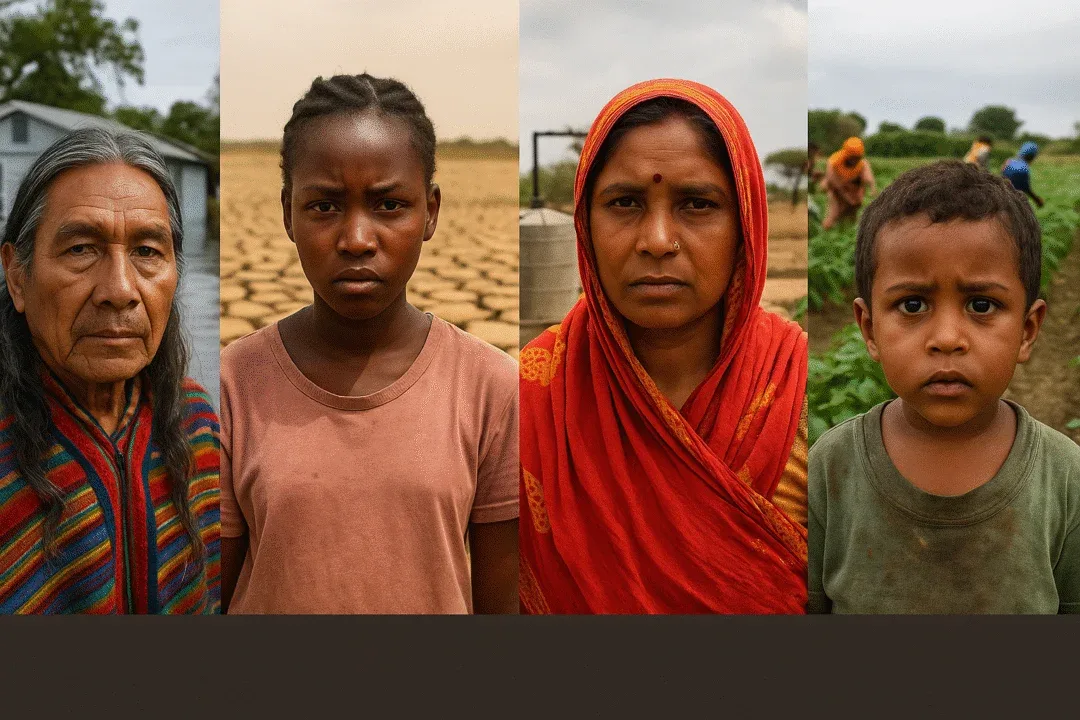
Climate change disproportionately affects vulnerable communities – those with the least resources to adapt and the least responsibility for emissions. The concept of climate justice addresses this imbalance by focusing on equity, human rights, and the fair distribution of climate impacts and solutions.
Who Is Affected by Climate Change?
Frontline communities, including low-income populations, coastal regions, small island nations, and indigenous groups, face the most immediate and severe effects. These communities often suffer from environmental injustice – where socio-economic status, race, or geography increases exposure to climate risks while limiting access to support systems.
Key vulnerabilities include:
- Climate-induced displacement, as rising seas, droughts, and floods force migration.
- Health equity challenges, with rising disease burdens, heat exposure, and malnutrition.
- Entrapment in the poverty trap, where climate shocks destroy livelihoods and infrastructure, hindering recovery.
For example, in sub-Saharan Africa and parts of South Asia, climate change threatens water access, food production, and housing, deepening social vulnerability.
Loss and Damage in Climate Policy
The term “loss and damage” refers to the irreversible harms caused by climate change, especially in nations with limited adaptive capacity. After years of advocacy from the Global South, COP27 formally established a Loss and Damage Fund, aiming to channel financial aid to affected regions.
However, questions of implementation, responsibility, and funding adequacy remain central to the climate justice debate. High-emission nations are under increasing pressure to contribute fair shares and support cross-border solidarity.
Resilience Through Indigenous Knowledge and Community Adaptation
Indigenous knowledge systems offer proven, place-based resilience strategies. These include:
- Sustainable land and water management
- Biodiversity stewardship
- Early-warning systems based on local observations
Recognizing and integrating indigenous and traditional knowledge enhances the effectiveness of adaptation policies and affirms the rights of marginalized groups.
Community-based resilience strategies – such as decentralized energy systems, local food sovereignty, and participatory disaster planning – empower people to respond actively to climate threats.
Climate Inequality and Human Resilience
Impact Area | Vulnerable Group | Resilience Strategies |
|---|---|---|
Displacement | Small island states, coastal poor | Managed retreat, migration pathways |
Health & Livelihood | Rural poor, informal workers | Early warning, climate-resilient agriculture |
Cultural Loss | Indigenous communities | Recognition of land rights, knowledge sharing |
Economic Exposure | Least Developed Countries (LDCs) | Loss & Damage finance, global partnerships |
Climate inequality is not just an environmental issue – it is a moral and social one. Vulnerable communities are on the front lines of a crisis they did little to cause. Achieving climate justice requires prioritizing their voices, compensating for historical emissions, and investing in long-term human resilience grounded in equity, inclusion, and rights-based adaptation.
Global Perspectives: Regional Climate and Sustainability Challenges

Climate change and sustainability challenges differ significantly by region, shaped by geography, socio-economic status, and institutional capacity. Understanding these regional dynamics is critical for developing targeted, equitable responses to the global crisis.
Africa: Climate Crisis and Development Tensions
Africa contributes less than 4% of global emissions but faces some of the most severe climate risks, including drought zones, monsoon failure, and increased food and water insecurity. The Sahel region and the Horn of Africa have become climate hotspots, where rising temperatures and erratic rainfall worsen conflict and displacement.
While sustainability efforts are growing – particularly in renewable energy access – many African countries struggle with low adaptive capacity due to poverty, infrastructure gaps, and debt burdens. Expanding green energy access and climate finance remains urgent.
Asia: Energy Transition and Urban Resilience
Asia, home to over half the world’s population, faces diverse climate pressures – from flooding in Southeast Asia and heatwaves in South Asia to typhoon intensity in East Asia. Rapid urbanization and industrialization have made the region the largest emitter globally, particularly in China and India.
The region is accelerating its energy transition, with countries investing in solar, wind, and green hydrogen. However, dependence on coal and weak regulatory enforcement hinder progress. Cities like Jakarta and Dhaka highlight the growing need for urban adaptation strategies, including flood barriers, cooling infrastructure, and resilient housing.
Arctic: Rapid Warming and Global Consequences
The Arctic is warming nearly four times faster than the global average – a phenomenon known as Arctic amplification. The resulting Arctic thaw leads to ice loss, rising sea levels, and permafrost emissions, all of which act as global feedback loops.
Melting sea ice also affects indigenous communities who rely on stable ecosystems for food, transport, and cultural survival. While the Arctic is a global barometer for climate change, governance remains fragmented, especially with geopolitical tensions over resource access.
European Union: Climate Leadership and Green Innovation
The EU is a global leader in climate governance, with strong policies targeting net-zero emissions by 2050. The European Green Deal, carbon border adjustments, and green infrastructure investments position the bloc as an innovation hub for sustainable development.
However, climate impacts such as Mediterranean droughts, Alpine glacier loss, and rising urban heat underscore Europe’s vulnerability. Sustainability challenges also include just transitions for coal-dependent regions and energy access equity within the bloc.
Small Island Nations: Existential Threats and Global Advocacy
Small island developing states (SIDS) in the Pacific and Caribbean face existential risks from sea-level rise, coral reef collapse, and extreme weather. These nations are climate frontliners, with limited land, economic diversification, and relocation options.
Despite minimal emissions, SIDS have become powerful voices in international negotiations, advocating for loss and damage funding, stricter global temperature targets, and climate justice frameworks. Examples include Fiji, the Maldives, and the Marshall Islands.
Climate and Sustainability by Region
Region | Key Challenges | Priority Actions |
|---|---|---|
Africa | Drought, food insecurity, low adaptation | Renewable energy, resilience financing |
Asia | Urban heat, flooding, coal reliance | Clean energy transition, disaster-proof cities |
Arctic | Ice loss, permafrost thaw | Emissions mitigation, indigenous protection |
European Union | Heatwaves, water stress, energy equity | Green innovation, just transition |
Island Nations | Sea-level rise, ecological collapse | Climate finance, global advocacy |
Climate change by region reveals stark disparities in exposure, vulnerability, and response capacity. While developed regions focus on decarbonization and green innovation, the Global South battles for survival and fair climate finance. A sustainable global future requires regional solutions informed by local conditions, international case studies, and genuine collaboration rooted in equity.
Personal and Local Actions That Matter
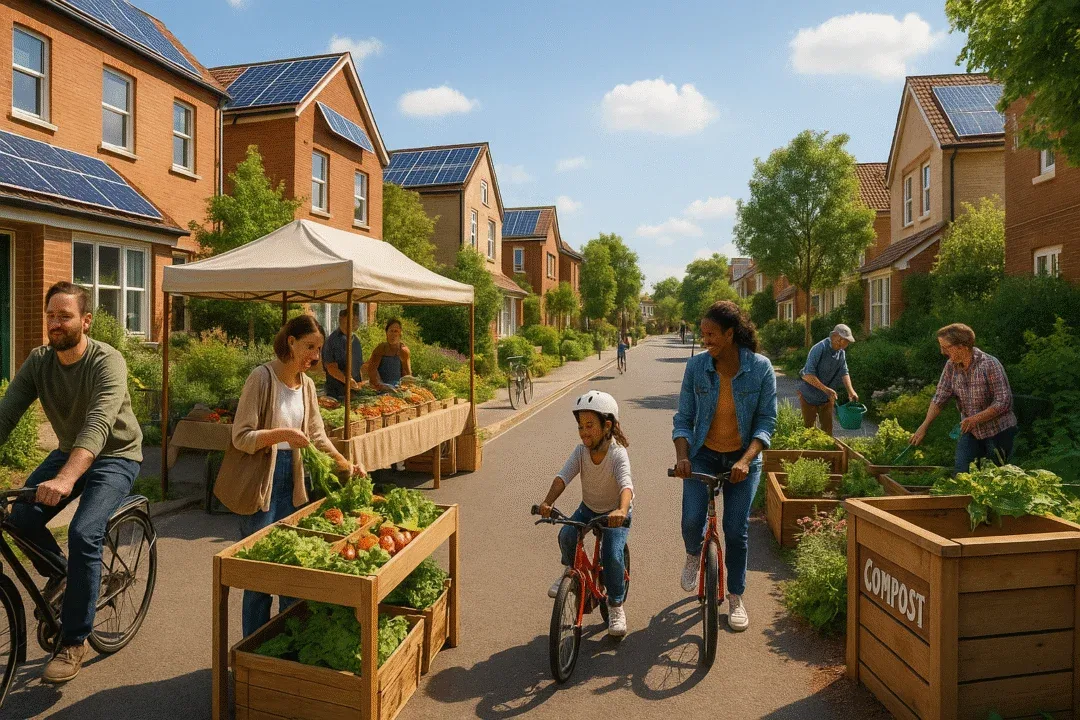
Individual and community-level choices are essential in building sustainable societies and reducing emissions at the source. While global policies and industry reforms are vital, personal action helps shift culture, drive demand for green alternatives, and create localized climate resilience.
How to Be More Sustainable in Daily Life
Reducing your carbon footprint at home begins with conscious decisions in energy use, consumption habits, and mobility. Key actions include:
- Energy audits to identify waste and improve home efficiency.
- Switching to LED lighting, using smart thermostats, and investing in renewable energy sources like rooftop solar.
- Adopting plant-based diets or reducing meat consumption to lower agricultural emissions.
- Practicing composting and minimizing food waste.
Green Lifestyle and Eco-Consumerism
A green lifestyle goes beyond recycling. It means supporting sustainable businesses, choosing eco-friendly products, and engaging in minimalism – buying less, but better. Zero-waste living aims to eliminate landfill contribution by focusing on reusables, bulk shopping, and upcycling.
Eco-consumerism includes:
- Avoiding fast fashion and supporting ethical brands.
- Using carbon footprint calculators to assess and track personal impact.
- Participating in local climate pledges and awareness campaigns.
Local Solutions and Community Resilience
Grassroots movements and local policy initiatives often lead the way in climate action. From urban gardening collectives to community solar projects, local efforts foster community resilience and self-sufficiency.
Examples of impactful local actions:
- Advocating for bike lanes, tree planting, or green zoning in cities.
- Supporting or launching farmers’ markets and local farming cooperatives.
- Engaging with city councils to pass sustainability ordinances or climate emergency declarations.
Activism and Advocacy
Climate activism – whether through voting, petitioning, attending protests, or joining environmental groups – can influence decision-makers and shape public discourse. Movements like Fridays for Future, Extinction Rebellion, and countless local initiatives show how collective action amplifies individual voices.
Effective personal advocacy includes:
- Contacting representatives to support green legislation.
- Organizing or attending town halls on sustainability.
- Educating others through workshops, social media, or school programs.
Climate Change Personal Actions
Action Area | Examples | Climate Impact |
|---|---|---|
Home Energy | Audits, insulation, solar panels | Lower electricity-related emissions |
Consumption | Minimalism, zero-waste, local goods | Reduces lifecycle emissions and waste |
Food & Waste | Composting, local farming, plant-rich diets | Cuts methane and supports soil health |
Community | Urban gardening, policy advocacy | Builds resilience, promotes green governance |
Transport & Travel | Walking, biking, public transport, carpooling | Lowers fossil fuel dependence |
Climate change personal actions are not just symbolic – they create real, measurable change and inspire broader transformation. Whether through lifestyle shifts, community initiatives, or advocacy, every individual can contribute to a more sustainable and climate-resilient future. The path to global solutions begins locally, and it starts with what we choose to do today.
Myths and Misconceptions About Climate Change
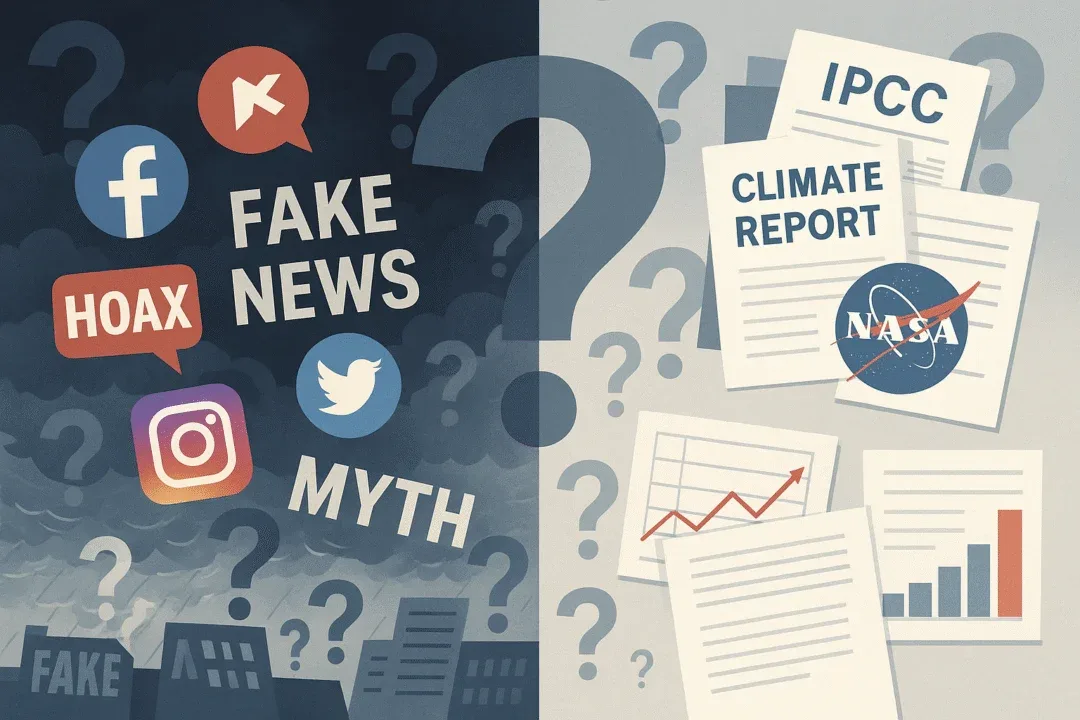
Misinformation about climate change continues to undermine public understanding and delay urgent action. Despite overwhelming scientific consensus, myths – often amplified through disinformation campaigns, biased media, and social media echo chambers – persist in shaping public perception.
Debunking Common Climate Change Myths
Below are some of the most widespread myths, countered by peer-reviewed evidence and institutional consensus from bodies like NASA and the IPCC.
Myth | Fact (Based on Scientific Evidence) |
|---|---|
“Climate change is natural.” | While Earth’s climate has changed historically, the current warming trend is driven by human activity, particularly greenhouse gas emissions since the Industrial Revolution. |
“It’s cold today – so global warming is fake.” | Weather is short-term and local; climate is long-term and global. Cold days don’t disprove climate trends. |
“Scientists disagree about climate change.” | Over 97% of climate scientists agree that climate change is real and human-caused (NASA, IPCC). |
“Carbon dioxide is harmless; it’s natural.” | Natural doesn’t mean safe. Excess CO₂ traps heat, driving global temperature rise. |
“Renewables can’t replace fossil fuels.” | Technological advances and grid modernization are making clean energy scalable and cost-competitive. |
“Climate change is a future problem.” | It is already happening – evidenced by extreme weather, sea-level rise, and biodiversity loss. |
How Misinformation Spreads
Climate misinformation is often rooted in denialist rhetoric, political ideology, or fossil fuel lobbying. It spreads through:
- Social media algorithms, which reinforce user biases.
- Poor scientific literacy, making audiences vulnerable to distortion.
- Deliberate misinformation campaigns designed to sow doubt.
Some media outlets also create false balance by giving climate skeptics equal airtime, despite lacking scientific credibility.
What the Scientific Consensus Says
- The IPCC, comprising thousands of scientists from over 190 countries, concludes that it is “unequivocal” that humans are warming the planet.
- NASA satellite data confirms accelerating changes in temperature, sea level, and ice mass loss.
- Multiple studies – like Cook et al. (2013) – confirm that more than 97% of climate scientists agree on the cause and trajectory of global warming.
Building Scientific Literacy and Resilience to Disinformation
Combating climate myths requires critical thinking, reliable information sources, and media awareness. Tools include:
- Checking claims against peer-reviewed journals or trusted agencies (e.g., NOAA, NASA, IPCC).
- Understanding the difference between skepticism and denial – true science welcomes questions, but denial ignores evidence.
- Educating others to challenge false narratives respectfully and effectively.
Climate change myths persist due to disinformation, ideological resistance, and a lack of scientific literacy. However, the evidence is clear, and the consensus is strong: climate change is real, human-caused, and already affecting our world. Debunking climate denial is essential to fostering informed public dialogue and mobilizing action before irreversible damage occurs.
A Roadmap Forward

Solving the climate crisis requires urgent, unified, and sustained action across all levels – individual, community, national, and global. The science is clear, and the window for limiting warming to 1.5°C is closing fast. Yet there is still hope for the climate crisis – if we act decisively and transform our systems, behaviors, and priorities.
What We Can Do About Climate Change – Now
- Individuals can adopt behavioral changes such as reducing consumption, supporting clean energy, cutting waste, and engaging in climate advocacy.
- Communities can build local resilience, promote sustainability initiatives, and push for equitable policies at the municipal level.
- Nations must accelerate their net-zero goals, enforce stronger emissions standards, invest in green infrastructure, and honor international agreements like the Paris Accord.
But more than isolated actions, we need a shift in worldview – one that embraces ecological literacy, long-term thinking, and intergenerational responsibility.
A Future Mindset for Sustainability
The path forward involves:
- Transformative action, not incremental change – rethinking food, transport, energy, and economic systems.
- Systems change across finance, governance, education, and urban planning.
- Empowering future generations through education, climate leadership programs, and inclusive policy-making.
Climate solutions already exist – we know how to generate clean power, restore ecosystems, build sustainable cities, and create circular economies. What’s needed now is the political will, public pressure, and cultural momentum to implement them at scale.
A Global Roadmap to a Sustainable Future
Level | Key Next Steps | Desired Outcomes |
|---|---|---|
Individual | Reduce emissions, advocate, vote responsibly | Lower footprints, societal pressure |
Community | Build local resilience, support green projects | Stronger local economies and climate adaptation |
National | Invest in renewables, enforce climate policy | National emissions reductions, economic growth |
Global | Collaborate on treaties, fund loss and damage | Equitable climate action, climate justice |
The future of sustainability depends on choices made today. We must align our values, economies, and governance with the health of the planet and the rights of future generations. While the challenges are immense, the tools and knowledge for a livable, thriving future already exist.
This is not just a climate emergency – it’s a turning point. By embracing systems change, fostering a future mindset, and acting collectively, we can build a world that is not only survivable, but truly sustainable.
FAQ’s
What is the difference between climate change and sustainability?
Climate change refers to long-term alterations in climate patterns due to factors like greenhouse gas emissions. Sustainability is a guiding principle that promotes meeting present needs without compromising future generations, often offering solutions to address climate impacts.
What are the main causes of climate change?
The main causes of climate change are human activities such as fossil fuel combustion, deforestation, industrial emissions, and methane release from agriculture. Natural factors play a minor role compared to anthropogenic drivers.
How does climate change affect the environment and society?
Climate change leads to rising sea levels, extreme weather, biodiversity loss, crop failures, and increased displacement. Vulnerable communities are disproportionately affected.
How does sustainability help fight climate change?
Sustainability promotes renewable energy, circular economies, and carbon-neutral practices, reducing emissions and fostering long-term resilience against climate impacts.
What is the role of industry in climate change?
Industries contribute significantly to greenhouse gas emissions but can lead change through ESG commitments, clean tech innovation, and low-carbon supply chains.
What are the key international climate agreements?
Key agreements include the Paris Agreement under the UNFCCC, which sets global emissions targets through Nationally Determined Contributions (NDCs).
What does the future of climate change look like?
Future scenarios range from 1.5°C to 4.4°C of warming by 2100 depending on emissions. IPCC models show tipping points and feedback loops are likely without aggressive mitigation.
What is climate justice?
Climate justice emphasizes the ethical responsibility to protect vulnerable communities who contribute least to climate change but face its worst effects.
How do climate challenges differ by region?
Africa faces drought, Asia urban flooding, the Arctic rapid warming, and island nations sea-level rise. Each region has unique climate and sustainability challenges.
What can individuals do to fight climate change?
Individuals can reduce energy use, shift to plant-based diets, support local solutions, and engage in climate advocacy to drive systemic change.
Are climate change myths still common?
Yes. Myths such as 'climate change is natural' or 'scientists disagree' persist due to misinformation. Over 97% of climate scientists agree it's human-caused.
What is the roadmap forward for climate action?
The roadmap includes individual behavior changes, national net-zero goals, global cooperation, and systemic transformation to ensure a sustainable, equitable future.
References and Sources
IPCC – Intergovernmental Panel on Climate Change
UNFCCC – United Nations Framework Convention on Climate Change